

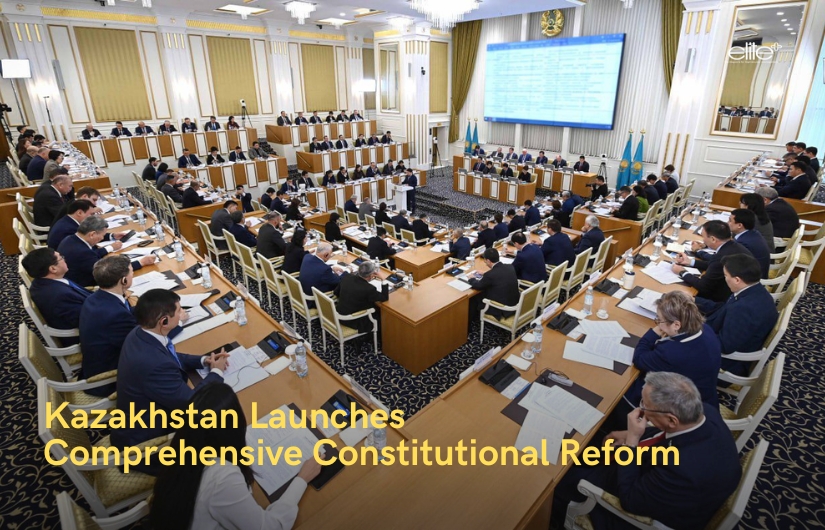
Kazakhstan Launches Comprehensive Constitutional Reform
Kazakhstan has embarked on one of the most far-reaching constitutional reforms in its modern history, marked by an unprecedented level of inclusiveness, public engagement, and institutional transparency.
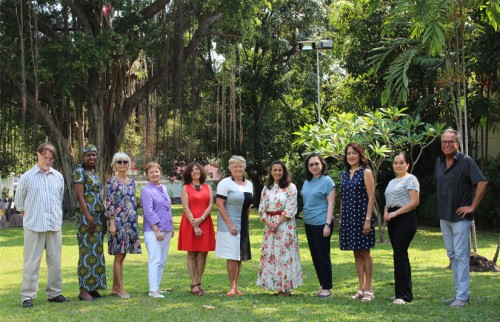
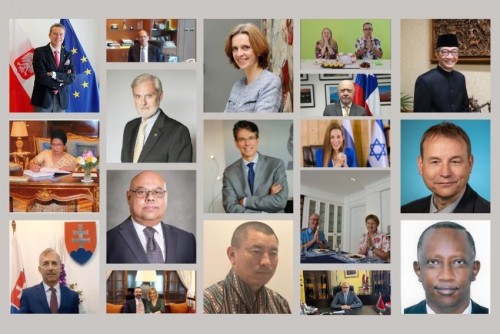
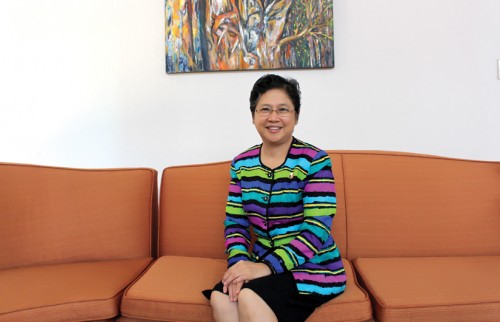
By a decree of the Head of State, a Constitutional Commission comprising around 130 members was established to draft a new edition of the country’s Constitution. The Commission brings together a broad spectrum of Kazakhstani society, including members of the National Kurultai (a consultative public body), prominent constitutional lawyers, economists and political scientists, members of Parliament, civil servants, representatives of business and the corporate sector, civil society organizations, human rights advocates, media professionals, as well as figures from academia and the cultural community.
Importantly, all parliamentary political parties are represented in the Commission — Amanat, Ak Zhol, Auyl, the Nationwide Social Democratic Party, the People’s Party of Kazakhstan, and Respublica — ensuring political pluralism and broad ideological balance. The composition reflects all regions of the country, with participation from regional council chairpersons and public councils, and maintains gender balance through the inclusion of women leaders from science, public administration, and entrepreneurship.
Observers note that professionalism was the primary criterion in forming the Commission. All members possess substantial professional and legislative experience, providing strong grounds to expect that the work entrusted to them — of critical importance to the country’s future — would be carried out effectively and responsibly.
Openness as a Principle
Given that constitutional reform directly affects the foundations of the state and the social contract between citizens and government, the process was deliberately designed to be open and transparent rather than confined to closed expert discussions.
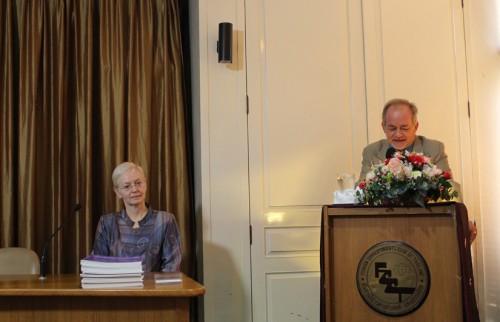
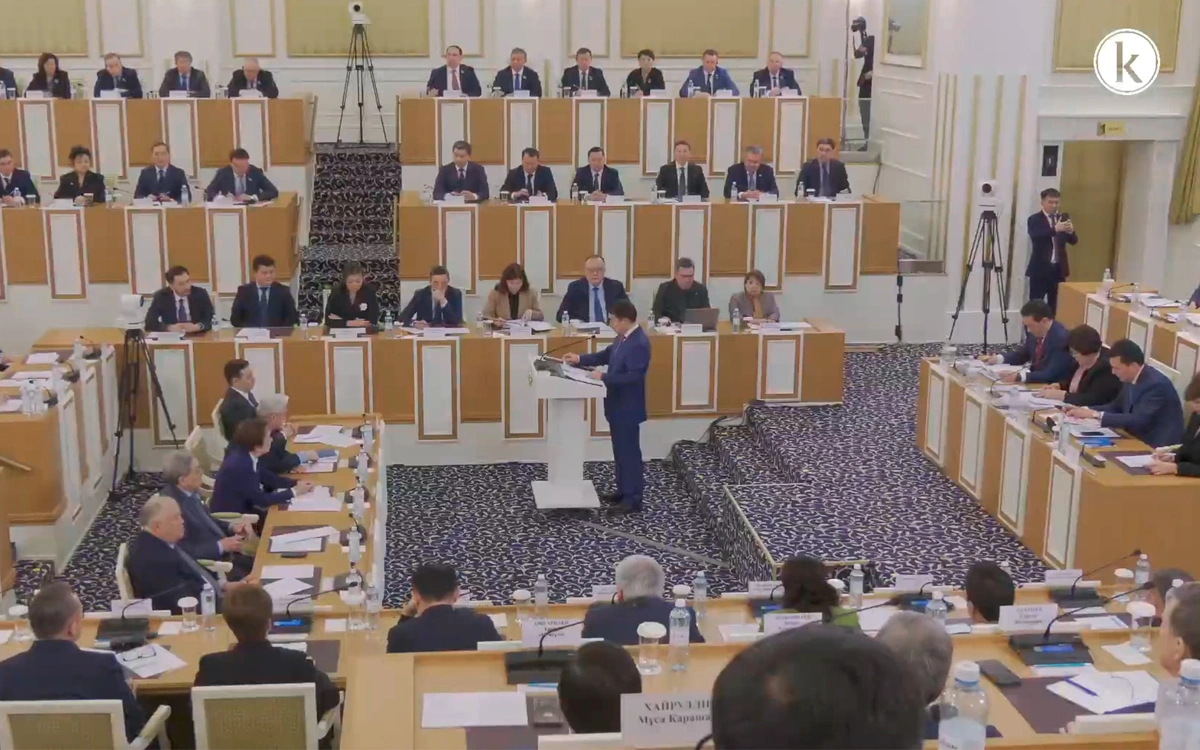
Meetings of the Constitutional Commission were broadcast live via the official website and social media accounts of the Constitutional Court. To ensure continuous public access to information, a dedicated Telegram channel, “Constitutional Reform 2026,” was launched to consolidate updates, documents, and key developments. In parallel, many Commission members actively communicated their views and explained the reform process through personal social media platforms and traditional media outlets, reaching hundreds of thousands of citizens.
These measures significantly reduced speculation and misinformation, allowing the public to follow the logic behind proposed changes in real time. More than a technical choice, live broadcasts became a signal of trust toward society and a demonstration of the authorities’ readiness to engage in open dialogue without intermediaries. This approach aligns with Kazakhstan’s declared policy of building a “Listening State” based on institutional accountability and public trust.
_1543675537.png)
A Six-Month Nationwide Discussion
The constitutional reform process unfolded over nearly six months. The discussion formally began after the President’s Address to the Nation on 8 September 2025, which proposed a fundamental reform of the Parliament.
In October 2025, a permanent Working Group on Parliamentary Reform was established to develop legislative proposals. Public participation, however, extended far beyond this group. Through digital platforms such as e-Otinish and eGov — Kazakhstan’s official online channels for citizen-government interaction — a special section on parliamentary reform collected hundreds of proposals from citizens, experts, and civil society organizations.
In addition, more than 1,600 proposals were submitted by political parties and other public associations calling for revisions to the existing Constitution. The scale and substance of these submissions led to the decision to proceed with a full constitutional reform and to establish the Constitutional Commission.
Rather than addressing proposals in isolation, all submissions were consolidated into a single, internally coherent draft. As a result, the reform touches every part of the Constitution — from the Preamble and the foundations of the constitutional order to justice, public administration, and mechanisms of civic participation. This marked a departure from previous practices of introducing narrow or fragmented amendments and instead created a unified and logically structured constitutional framework.
_2023425325.png)
A New Edition of the Constitution
The Constitutional Commission produced a consolidated draft incorporating all proposals and discussions. The proposed Constitution consists of a Preamble, 11 sections, and 95 articles, compared to the current version’s 9 sections and 101 articles.
Two entirely new sections have been introduced: “The People’s Council” and “Amendments and Additions to the Constitution.” Four sections were renamed to reflect updated conceptual approaches:
“General Provisions” became “Foundations of the Constitutional Order”
“Individual and Citizen” became “Fundamental Rights, Freedoms, and Duties”
“Parliament” was renamed “Kurultai”
“Courts and Justice. Prosecutor’s Office. Human Rights Commissioner” was renamed “Justice. Prosecutor’s Office. Human Rights Protection Mechanisms”
In total, amendments were made to 77 articles, covering 84 percent of the constitutional text. According to Kazakhstan’s law on normative legal acts, when changes affect more than half of a legal document, a new edition must be adopted rather than partial amendments. Given the scope and depth of the proposed changes, adopting a new Constitution was therefore both legally justified and substantively necessary.
Taken together, these developments point not to isolated constitutional adjustments, but to a profound constitutional modernization. The reform fundamentally revises both the content and the conceptual foundations of Kazakhstan’s Basic Law, aiming to strengthen legal clarity, democratic institutions, and the alignment of the state’s constitutional framework with contemporary societal needs and long-term national development goals.