

Spain’s Agri-Food Sustainability: Olive Oil, Wine and Iberian Pig Production
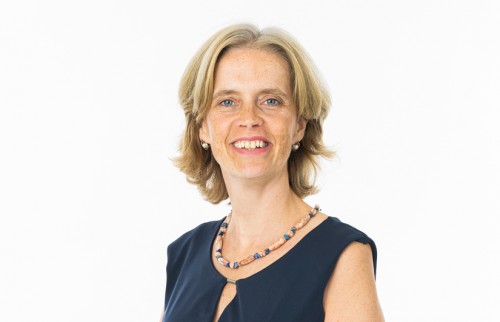
By Kathleen Pokrud
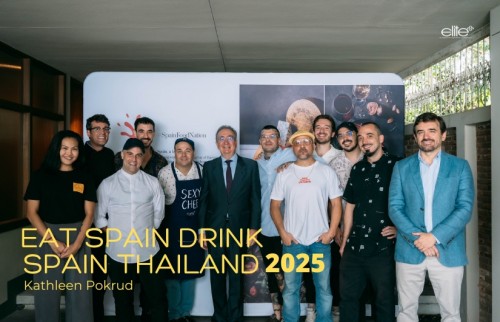
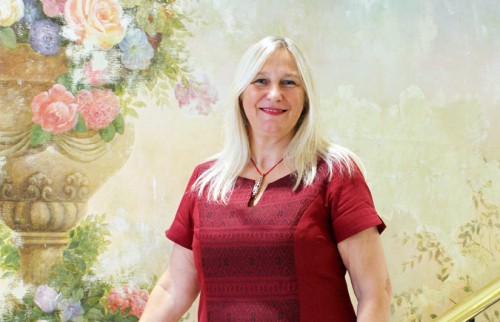
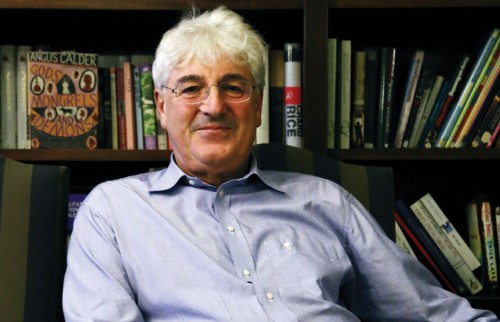
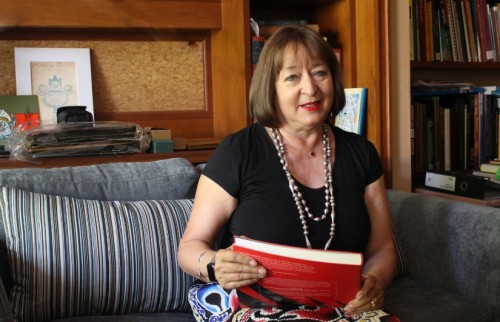
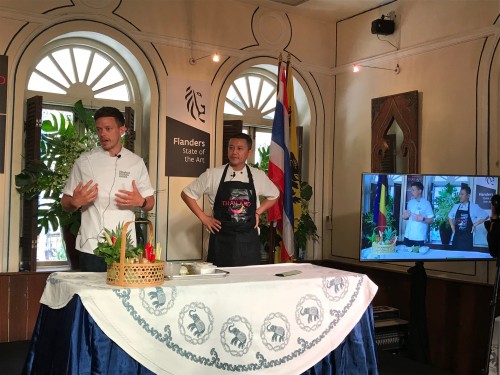
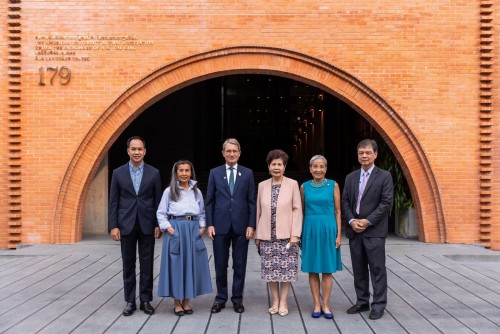
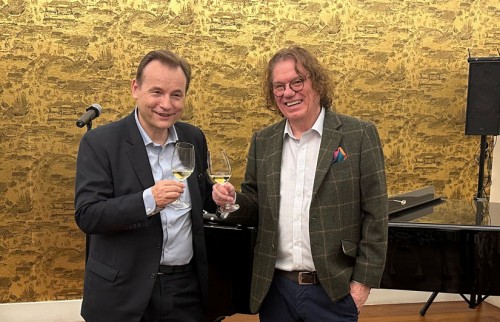
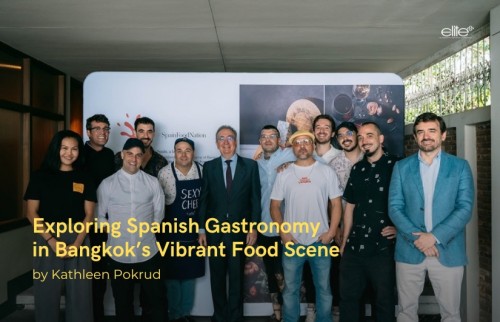
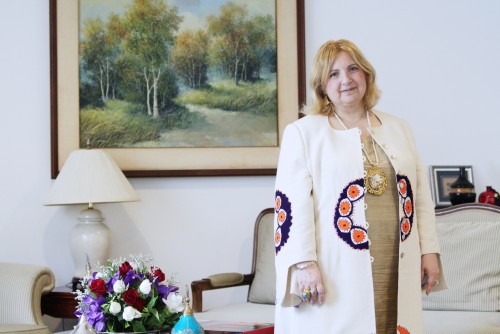
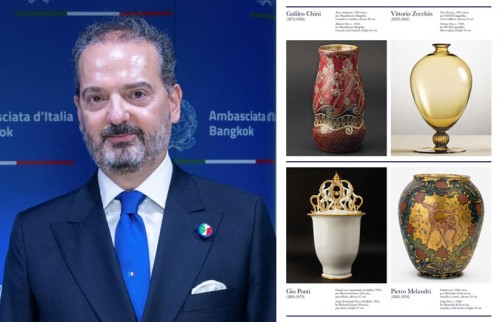
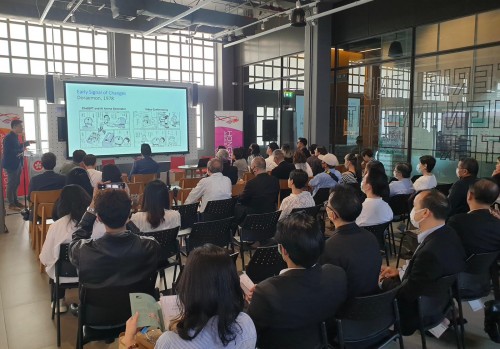
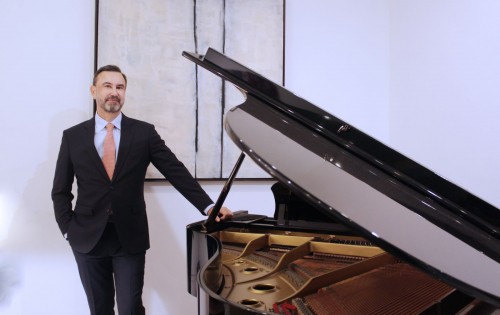
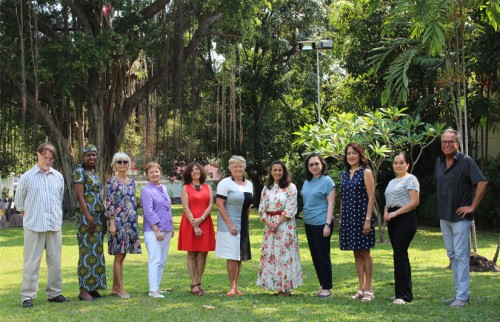
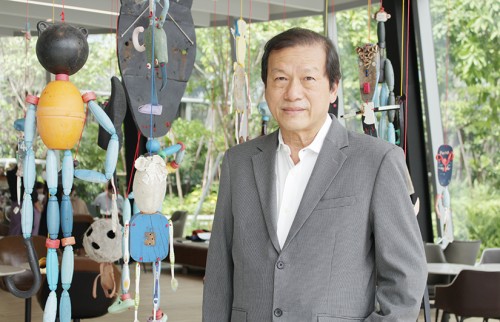
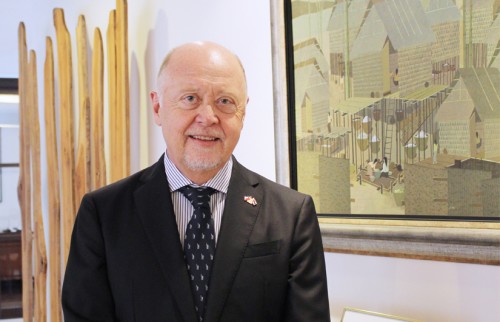
Photo courtesy of The Embassy of Spain, Bangkok
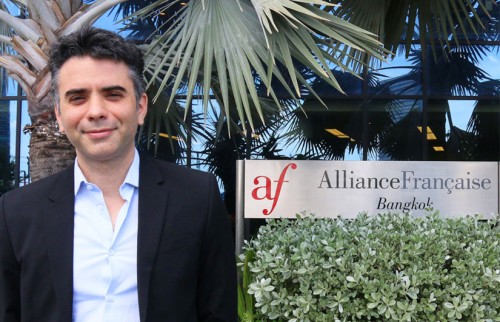
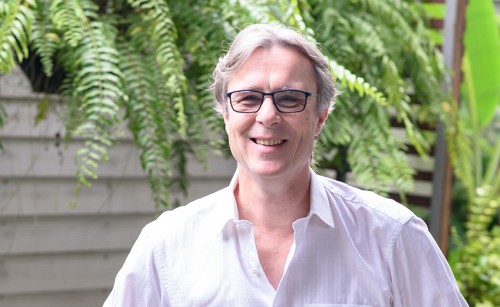
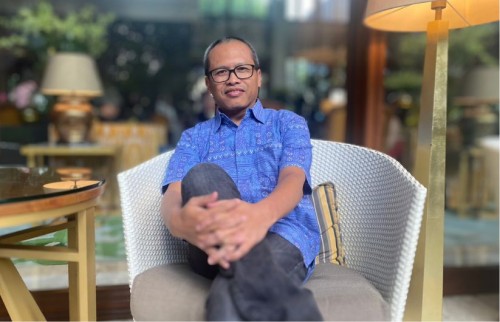
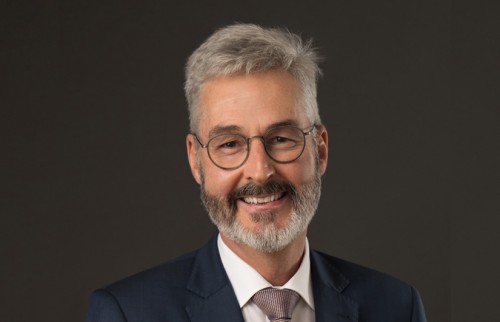
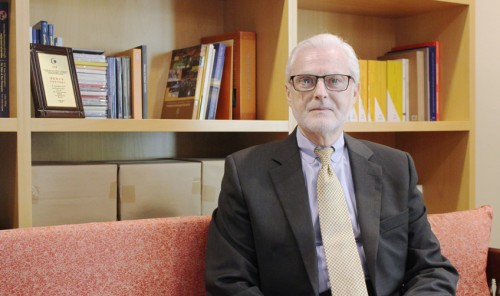
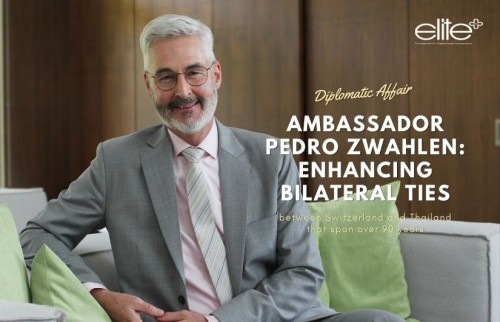
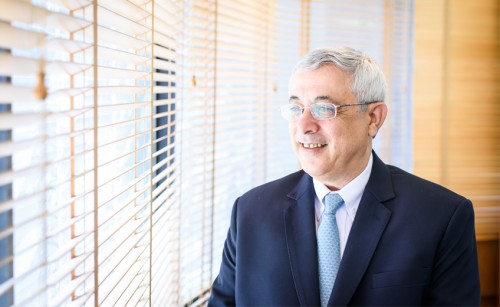
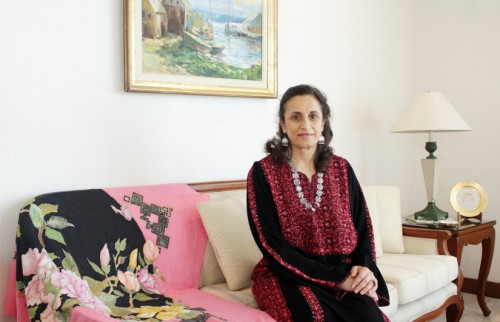
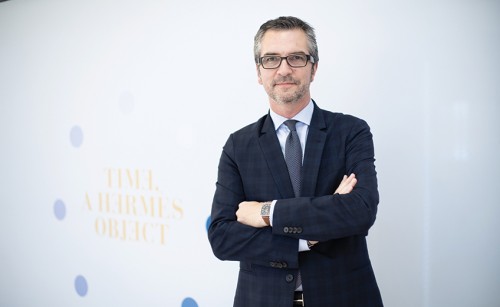
Sustainability has become a fundamental pillar of Spain’s agri-food sector, essential for safeguarding the environmental, economic and social future of its rural regions. Spain stands out globally for its leadership in olive oil, wine and Iberian pig production. All three are deeply rooted activities that shape landscapes, sustain thousands of families and preserve cultural identity. I sat down with Mr Álvaro Gil-Navarro, Commercial Counsellor for the Embassy of Spain in Bangkok, to learn how Spain has been strengthening these three products as sustainability is not only an environmental obligation, but also a guarantee of rural continuity and economic resilience.
_798475985.jpg)
Mr Alvaro first shared, “Sustainability in agriculture is understood through three interconnected dimensions. The environmental dimension focuses on preserving natural resources such as water, soil, biodiversity and climate. The economic dimension seeks to ensure the viability of farms, cooperatives and broader value chains. Finally, the social dimension emphasizes maintaining rural populations, safeguarding traditional knowledge and offering dignified livelihoods to those who depend on agriculture and livestock. In Spain where the olive grove, the vineyard and their dehesa agroforestry system are central elements of rural life, this integrated approach is particularly vital.”
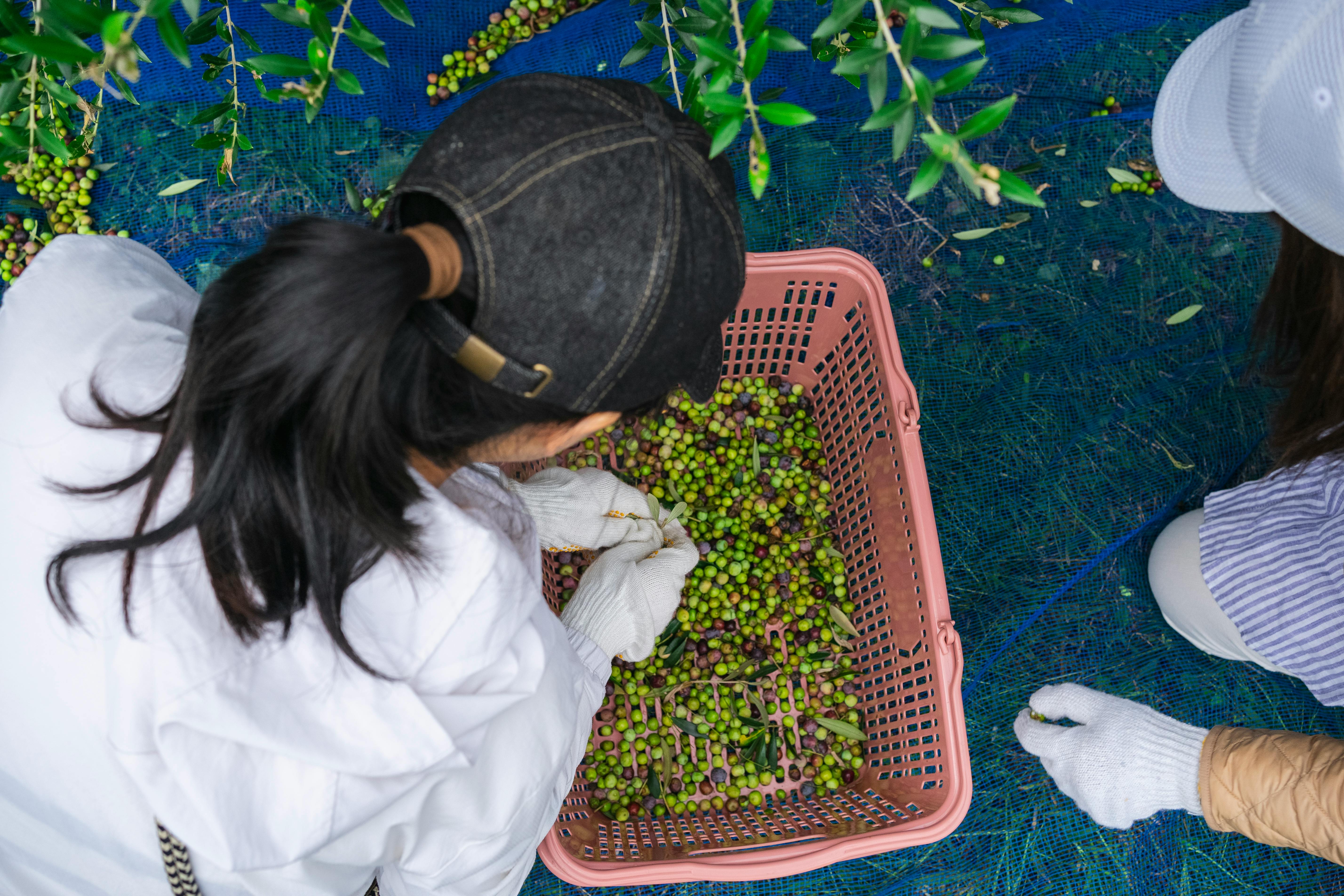
Mr Alvaro explained how olive oil is a sustainable model linked to Mediterranean rural culture. “Spain is the world’s leading producer of olive oil, accounting for more than 40% of global output. This dominance reflects a unique combination of climate, ancestral knowledge and professionalised farming, as well as the work of hundreds of thousands of rural families. In regions such as Andalusia, Castilla-La Mancha and Extremadura, the olive grove is not just an agricultural activity, but the backbone of the rural economy and collective identity.
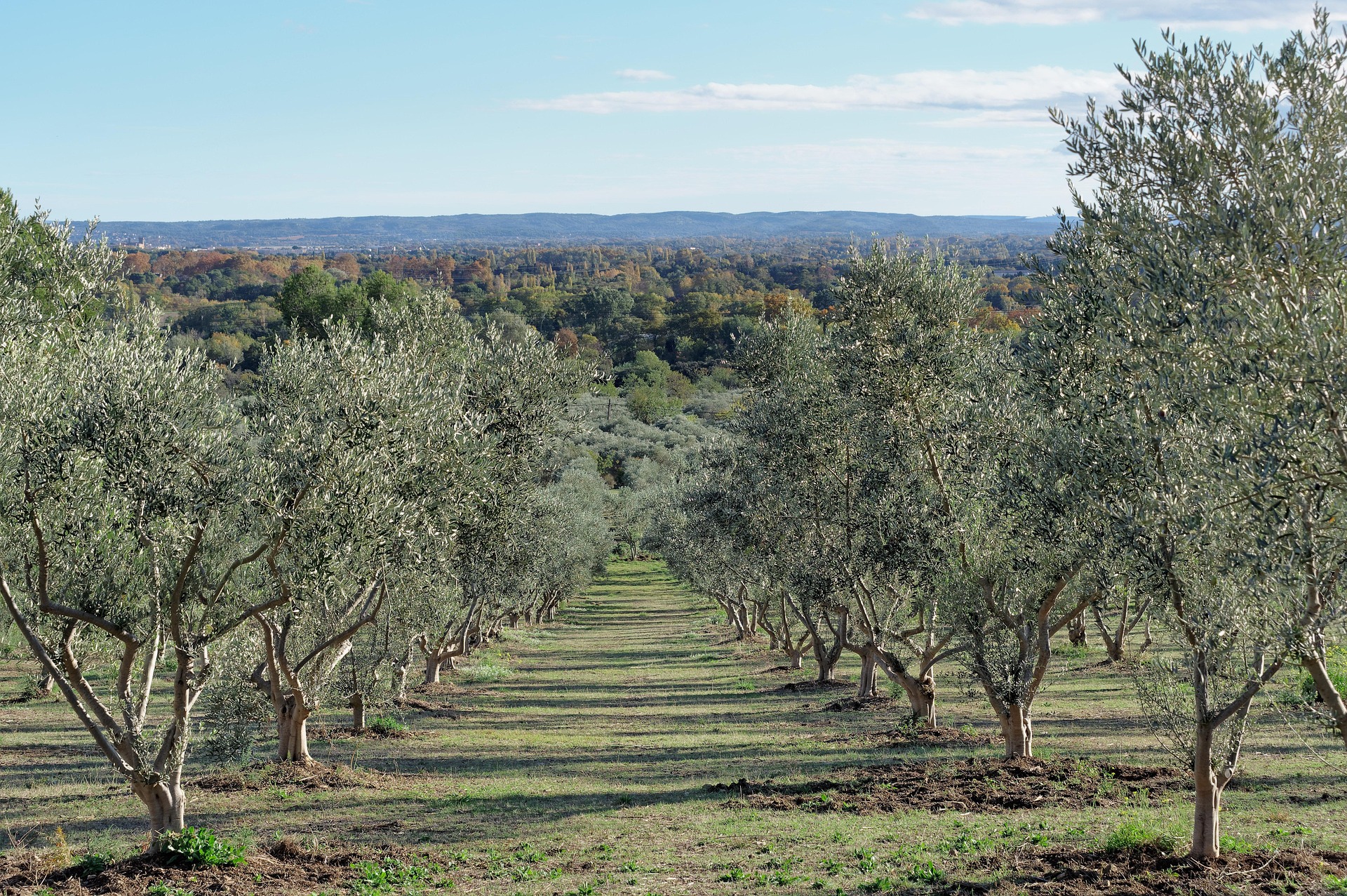
“In recent decades, the sector has made significant advances in sustainability. The introduction of vegetal cover and careful soil management has become essential to prevent erosion, one of the greatest threats to Mediterranean olive groves, especially those planted on slopes. These soil covers foster biodiversity, enhance organic matter and create microclimates that help maintain soil moisture. Efficient water use is another crucial element; drip irrigation and sensor-based water scheduling have significantly reduced consumption in intensive groves. Meanwhile, traditional rainfed olive systems remain examples of climate resilience and landscape conservation.”
He went on, “Spain also leads Europe in organic olive cultivation, demonstrating a strong commitment to biological pest control, reduced use of synthetic inputs and low-tillage practices. Additionally, the valorisation of by-products such as olive pomace, pits and pruning residues have shown the sector’s advanced integration of circular-economy principles, with applications ranging from compost to renewable energy.
“The sustainability of the olive sector goes hand in hand with rural livelihood. Its presence is essential to preventing land abandonment, retaining population and maintaining landscapes that are part of Spain’s cultural heritage.”
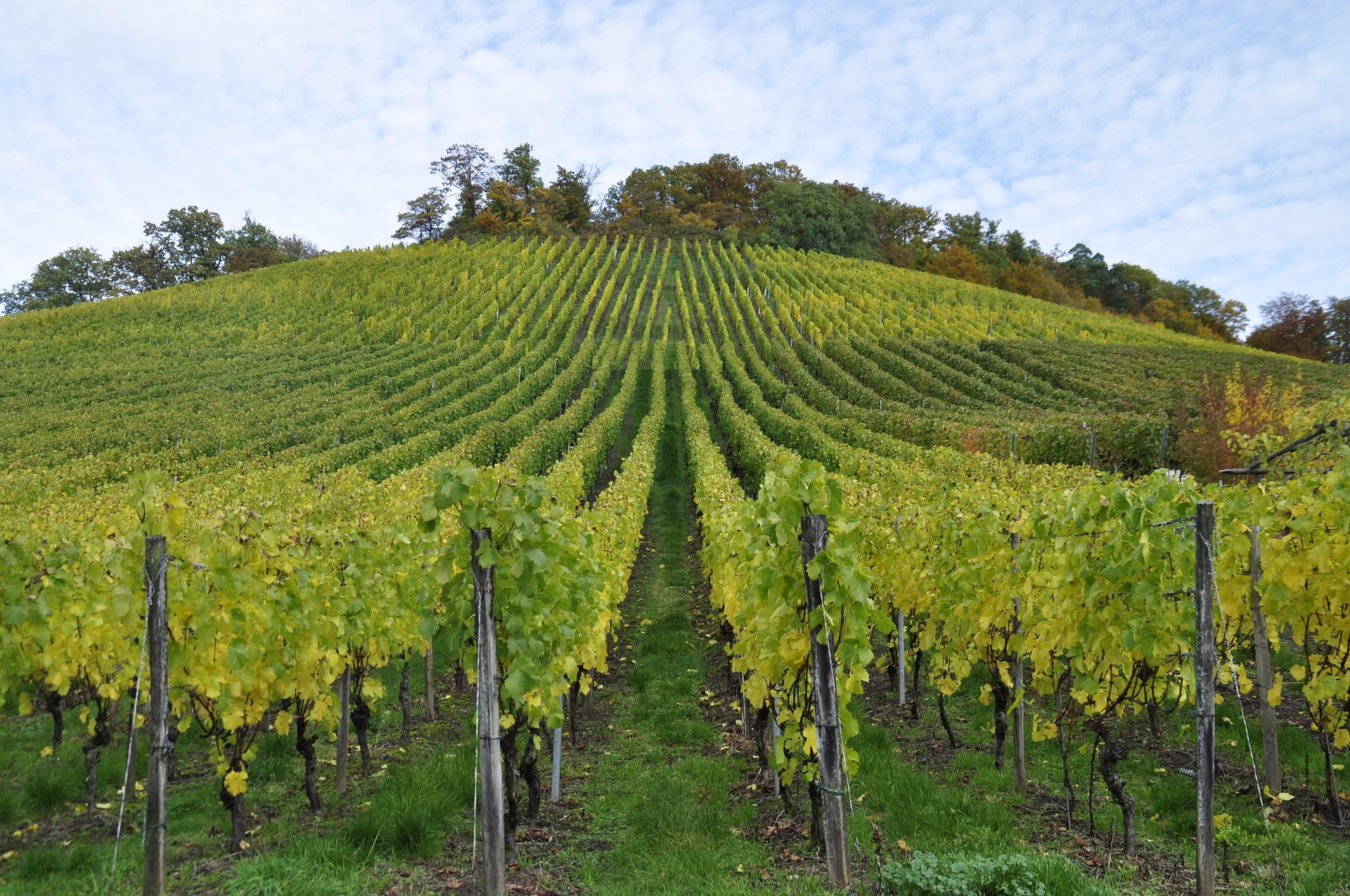
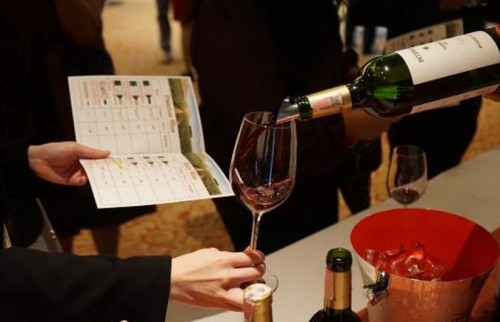
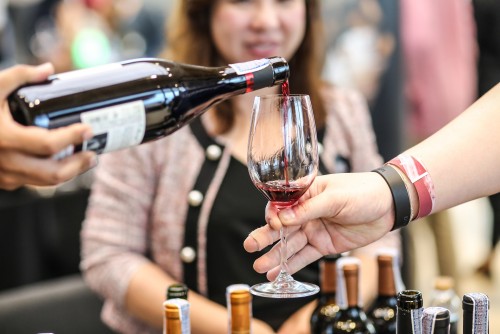
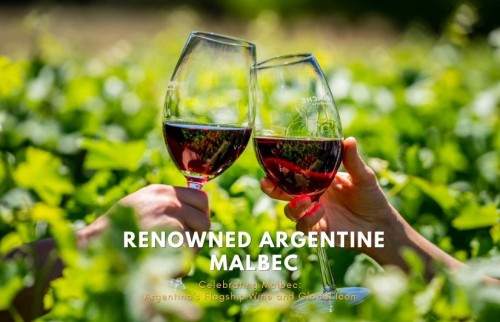
Wine from Spain is another good example of sustainability where tradition, landscape and climate adaptation blend together. Mr Alvaro clarified, “Spain’s wine sector, with around 900,000 hectares of vineyard, is the largest in the world. Alongside France and Italy, Spain consistently ranks among the top three global wine producers. Its social and economic importance is reflected in the thousands of small winegrowers, family-run wineries and cooperatives that sustain rural life in regions such as La Rioja, Castilla y León, Galicia, Catalonia, Valencia and Castilla-La Mancha. Wine is not only an agricultural product but also a cultural symbol that drives tourism, gastronomy and landscape conservation.
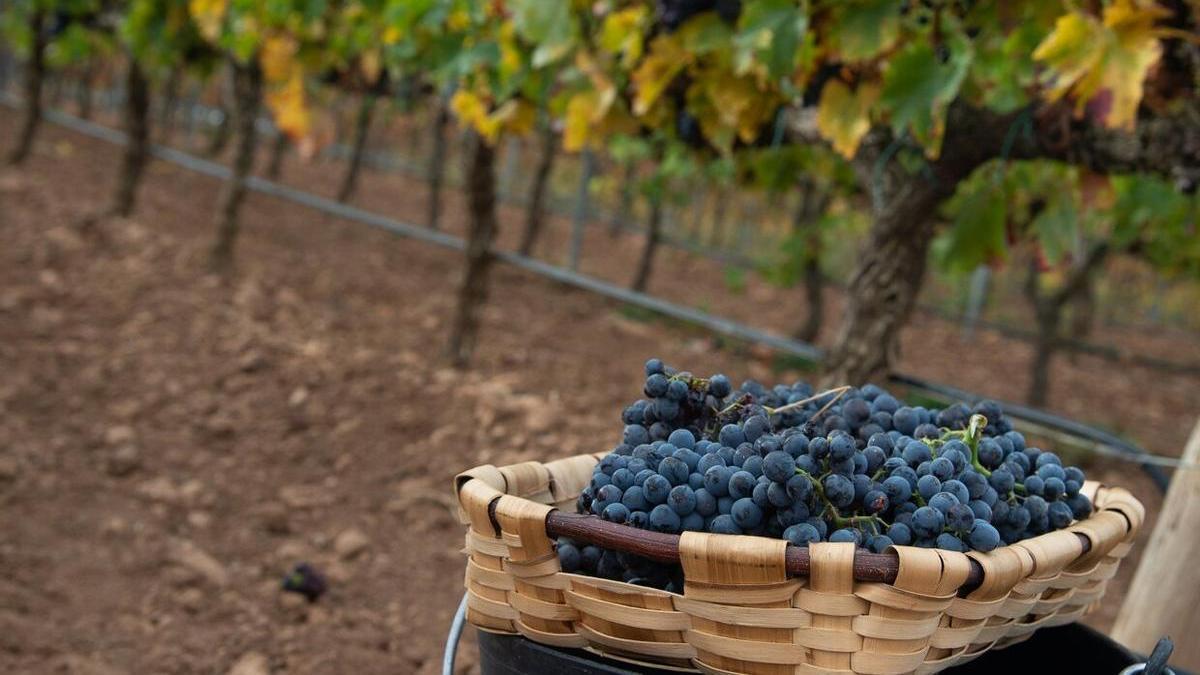
“Sustainability in Spanish viticulture focuses on soil health, climate adaptation and reducing phytosanitary dependence. The use of ground cover and minimal tillage has improved soil structure, curbed erosion and increased biodiversity. Water management, particularly in regions affected by recurrent droughts, increasingly relies on precision irrigation strategies designed to maximise efficiency and maintain grape quality.”
In Spain, climate change presents significant challenges with earlier harvests, shifts in acidity and sugar concentration, greater water stress and the emergence of unusual pests. Mr Alvaro explained how Spain countered these issues, “Many Designations of Origin are promoting more resilient grape varieties and adjusting pruning and canopy-management techniques. At the winery level, numerous producers are incorporating renewable energy systems, optimising water use and reducing industrial waste as a natural extension of their broader sustainability efforts.
“The vineyard and wine sector maintain a vibrant social and cultural fabric. In many regions, it is the primary driver of rural employment, ensuring the survival of communities where few alternative economic activities exist.”
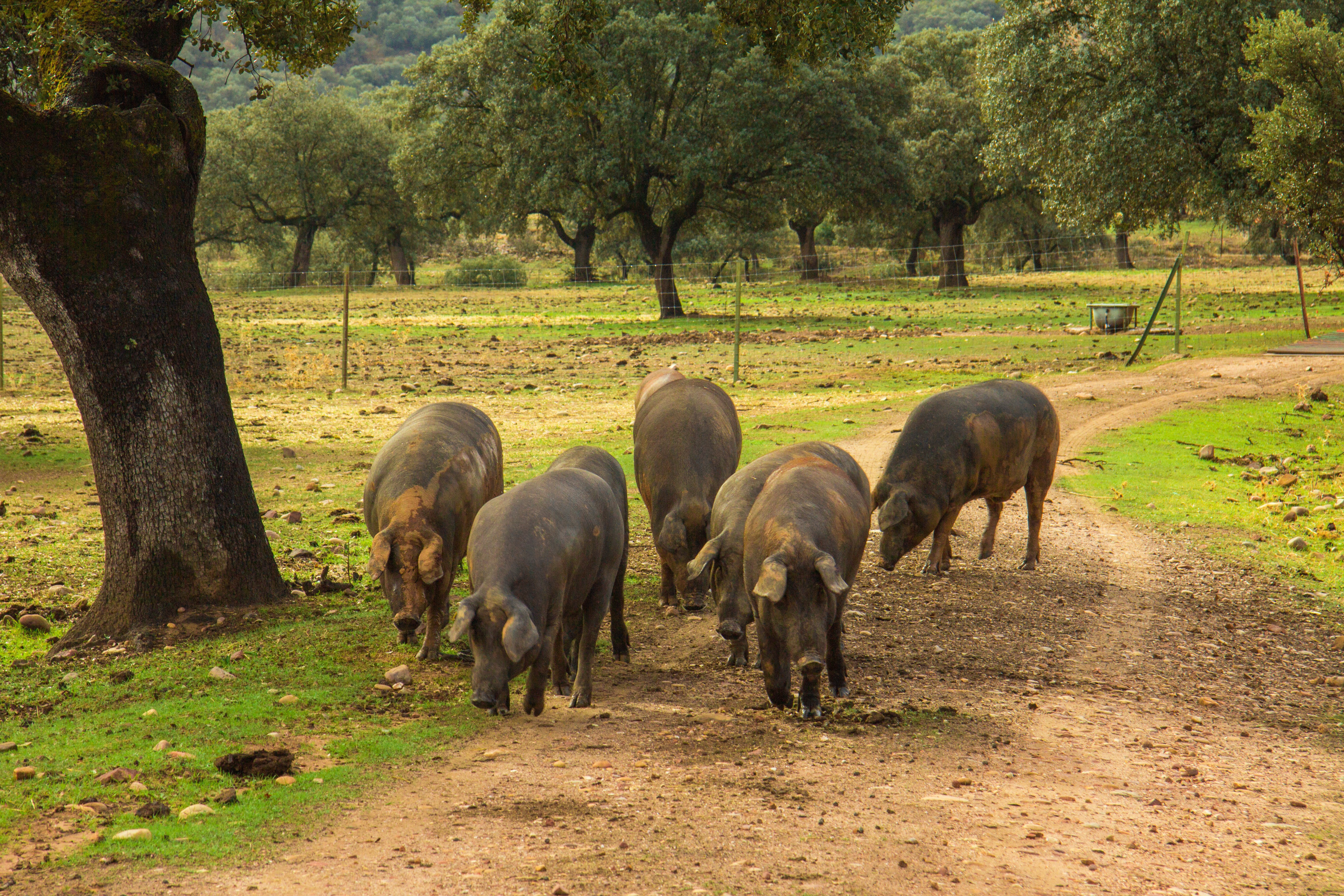
Iberian pig production is one of Spain’s most distinctive agri-food systems, representing a unique balance between livestock, ecology and rural culture. Mr Alvaro proudly cited that the Iberian pig is a sustainable product rooted in dehesa and ecological balance. “True Iberian production can only take place within the dehesa, a singular Mediterranean agroforestry system characterised by holm oaks, cork oaks, pastureland and rich biodiversity. Thousands of families in Extremadura, Andalusia and Castilla y León depend on this activity, which also ensures the conservation of an ecosystem of extraordinary environmental value.
“The hallmark of the Iberian production cycle is the montanera, the period during which pigs roam freely and feed naturally on acorns and native grasses. This diet, together with the animals’ genetic traits, is responsible for the unique characteristics of Iberian acorn-fed ham. The sustainability of this model relies on a key ecological relationship: approximately one hectare of dehesa is required per pig during the montanera. This ratio ensures that acorn availability is not depleted, that grazing pressure remains balanced and that the regeneration of holm oaks and cork oaks is maintained. Without this equilibrium, the dehesa would suffer degradation and lose its long-term productivity.
“The synergy between livestock management and forest stewardship creates a circular and mutually beneficial system. The pigs help control undergrowth, reduce fire risk and fertilise the soil while the dehesa provides a natural, sustainable feeding system. Economically, the Iberian chain, from breeding and grazing to slaughtering and curing provides a stable, high-quality employment, which serves as a foundational pillar of rural life in large areas of southwestern Spain.
“Spain is the only country capable of producing authentic, acorn-fed Iberian ham under true dehesa conditions, giving it an unquestionable global leadership that combines tradition, environmental stewardship and premium quality.”
In conclusion, Mr Alvaro summarised, “Olive groves, vineyards and Iberian pig production form three pillars of Spain’s rural identity and demonstrate how tradition and sustainability can reinforce one another. Their continuity is vital for preserving cultural landscapes, supporting rural livelihoods, and consolidating Spain’s role as an international leader in sustainable agri-food production.”