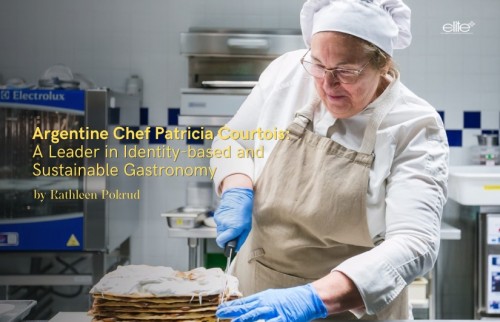


By Kathleen Pokrud
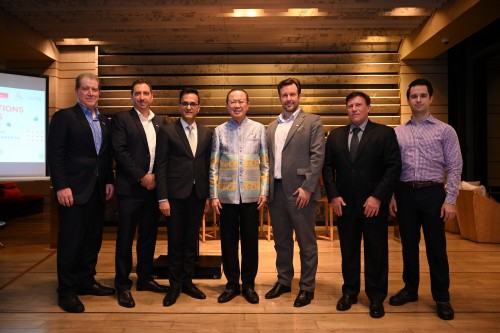
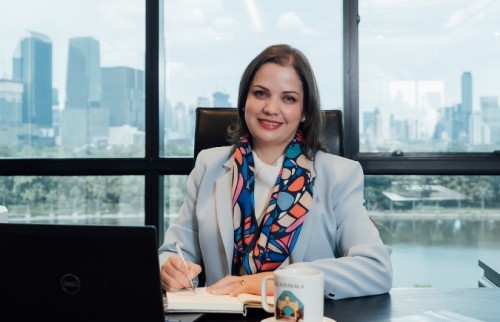
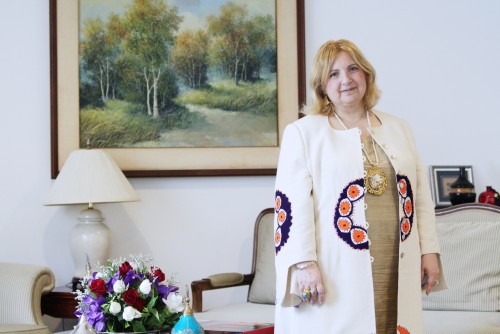
Photo courtesy by The Embassy of Argentina
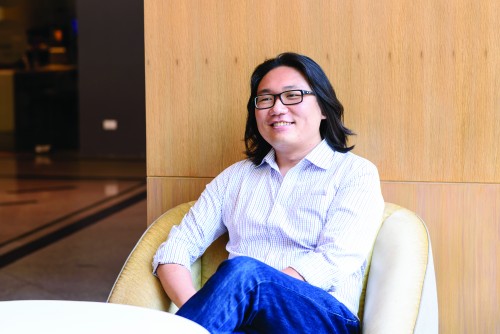
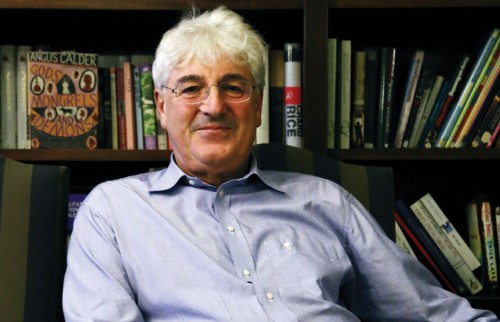
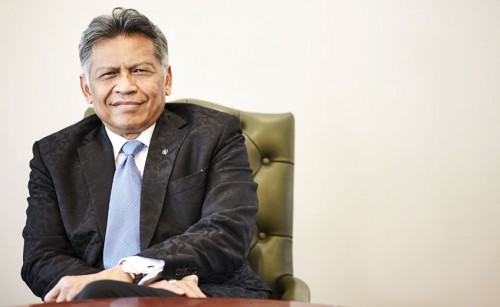
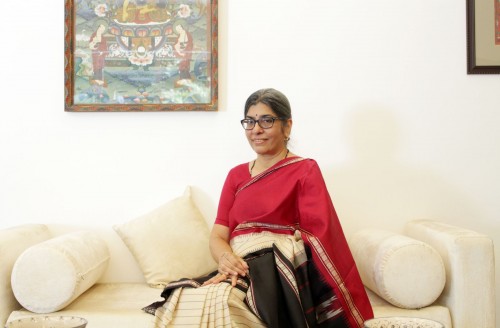
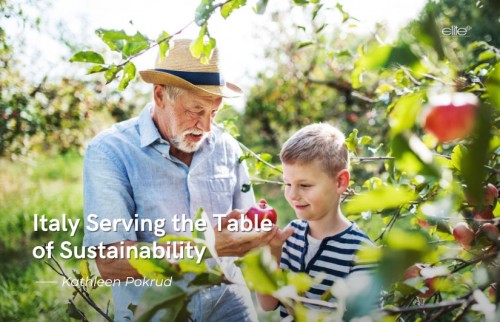
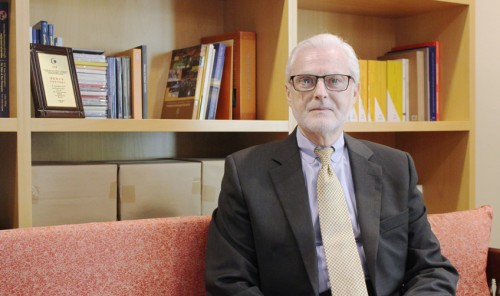
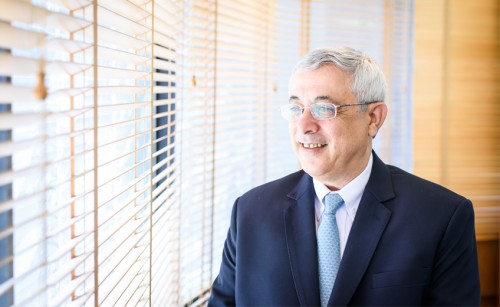
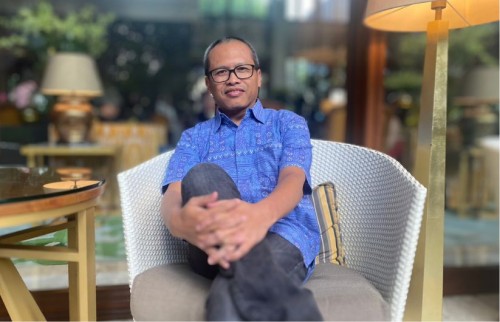
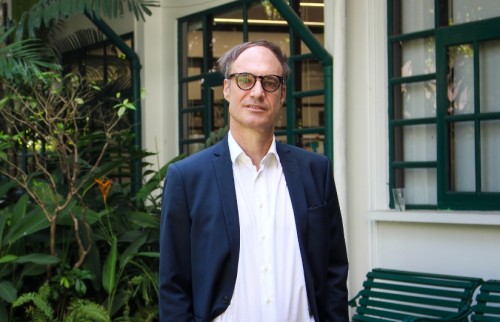
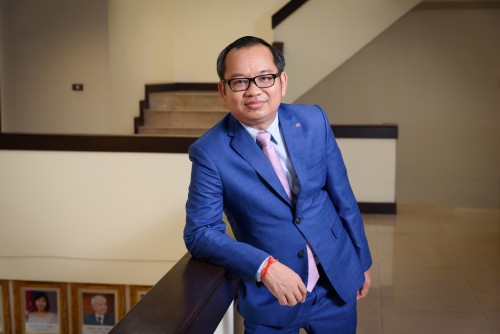
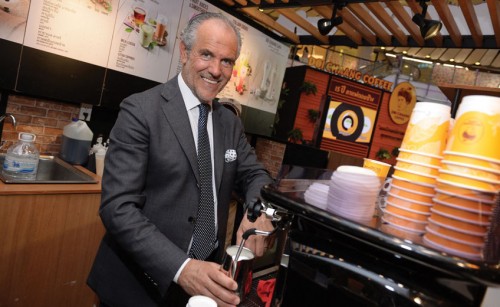
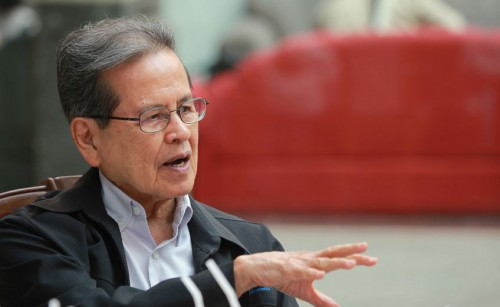
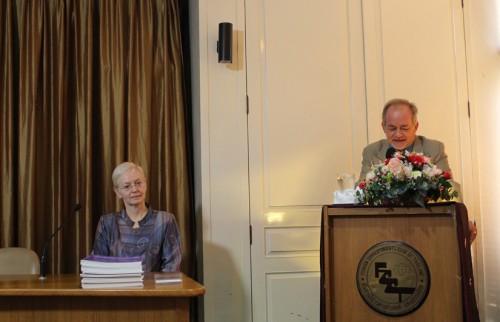
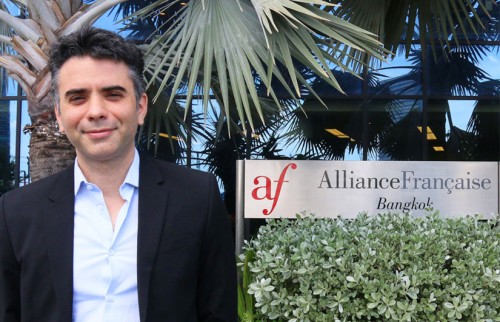
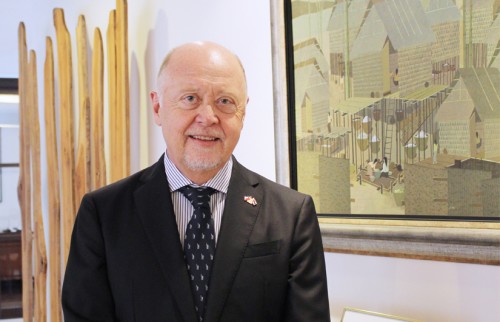
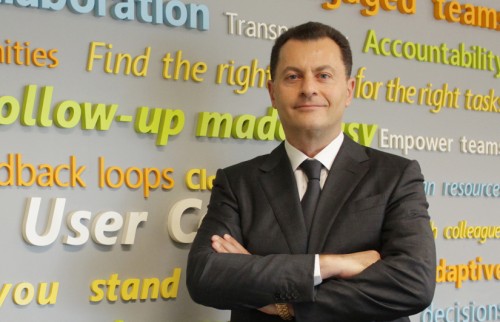
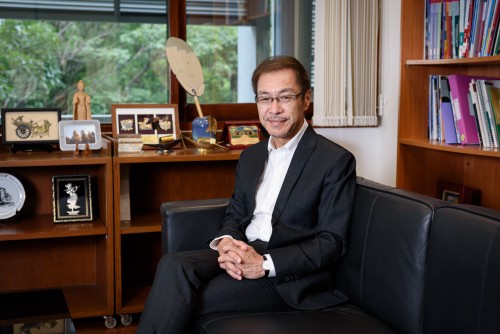
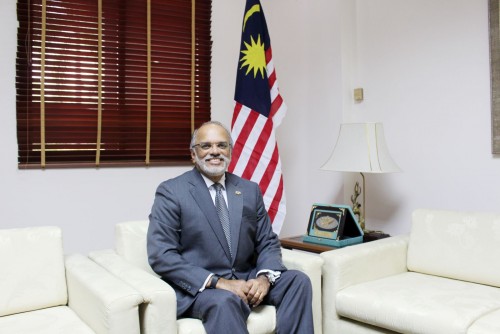
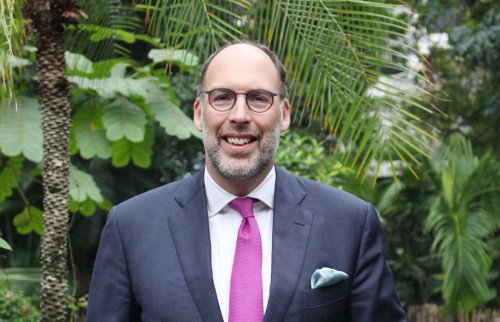
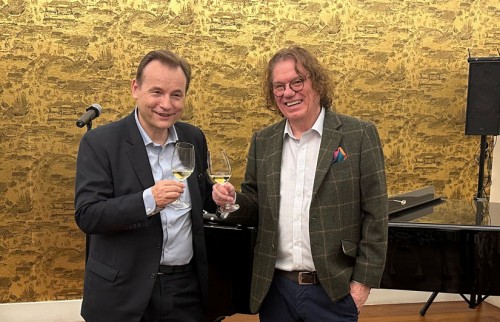
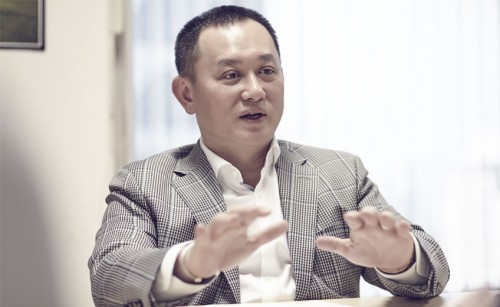
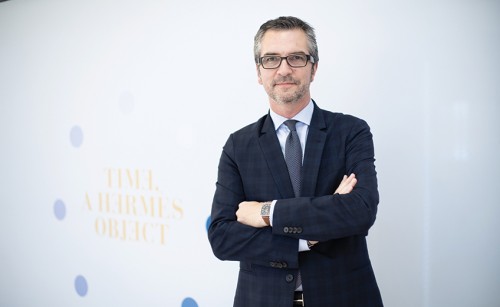
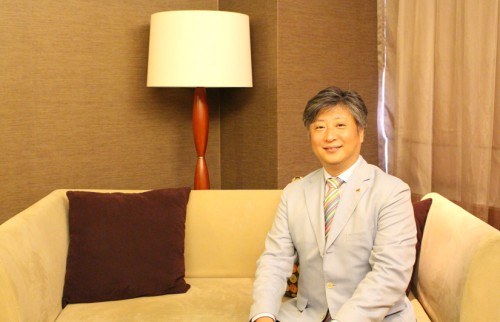
The gastronomical heritage of Argentina was previously covered in “Global Culinary Stories” (https://www.eliteplusmagazine.com/Article/903/Argentina__Famous_For_Its_“Asado”_Barbecue_And_Delicious_Cuisine). Given that Argentina has a long history of agricultural production, I sat down with Mr Juan Pablo Volken, Head of the Economic, Commercial and Tourism Section of the Embassy of Argentina Bangkok to learn about his country’s practices and directions in food sustainability.
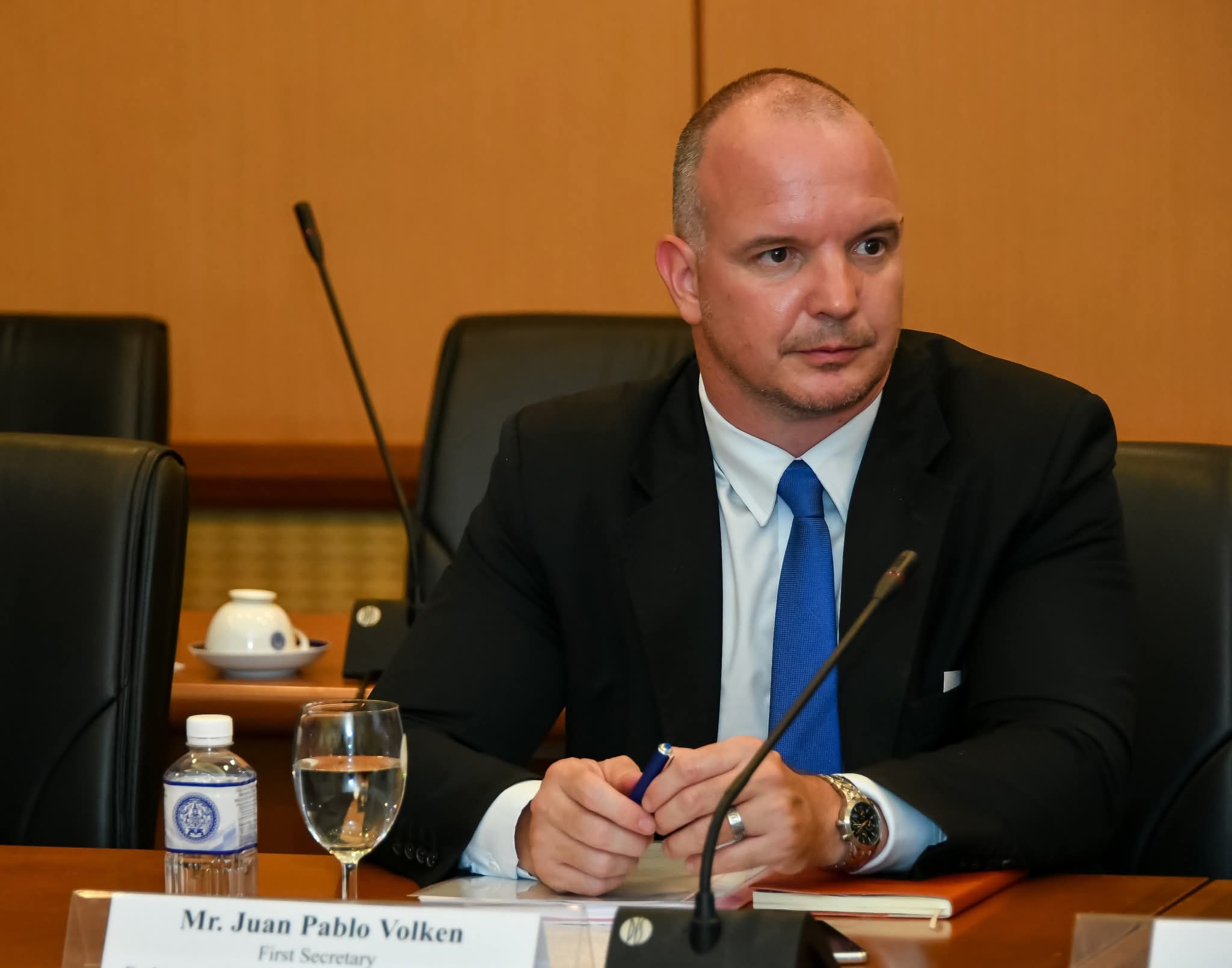
Mr Volken admitted that food security is a central concern for the different branches of government in Argentina. He explained, “The clear evidence is the National Plan for the Reduction of Food Loss and Waste, established by a law passed by the National Congress in 2018.
This Plan aims to reduce the significant amount of food lost and wasted across the food value chain, by promoting responsible consumption patterns, food rescue and food donation. It encourages the efficient use of resources already invested in production as well as food security and environmental protection.
“To achieve this goal, the Plan establishes various coordination mechanisms among multiple stakeholders, including municipalities, agri-food SMEs, the retail industry, consumer associations and schools, for the implementation of public policies aimed at preventing and reducing food loss and waste.”
He went on, “In addition to these domestic initiatives, Argentina also plays a key role in food security globally. In fact, our country with a population of 45 million inhabitants produces enough food for 400 million people. 40% of the food produced in Argentina is exported, which makes our country the third largest net exporter of food.
Various international projections feature Argentina as one of the nations with the greatest potential to respond to the growing demand for food, bioenergy and other related products.”
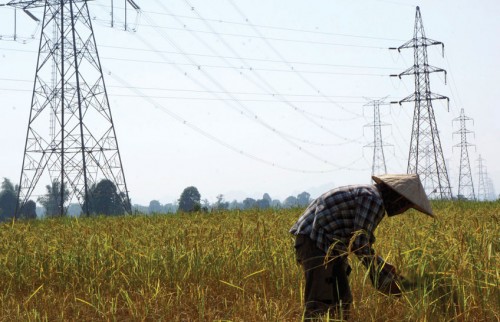
In Argentina, the need for a regenerative approach to agriculture began to be considered quite early, in the late 1960s, after it became apparent that decades of intensive farming had resulted in severe soil degradation, leading to erosion, loss of fertility and desertification. Mr Volken pointed out how this challenge was tackled. “A new cultivation technique known as no-till farming was tested. In this technique, the seed is placed directly into the soil without tillage. The soil retains crop residue from the previous harvest on the surface, and only a small furrow is opened to plant the seed.
“The results of these experiments were so positive in terms of soil protection that no-till farming began to be implemented on a massive scale. At present, Argentina is the global leader in adoption of no-till farming, which is applied to more than 90% of our agricultural land, far beyond the global average of 15%.”
Despite the success of no-till farming, in recent times some areas of the country have seen the negative effects of intensive monocropping, including severe soil compaction and herbicide-resistant weeds. Mr Volken described how the Argentine authorities are addressing these problems. “The government is promoting a set of practices among farmers such as adequate crop diversification and an increase in the time the soil is occupied growing crops.
“The application of these practices coupled with no-till farming not only leads to better protecting the soil but also an increase in sequestration of the soil's organic carbon, which is carbon from the atmosphere captured by plants through photosynthesis.

“To support farmers in implementing these and other sustainable practices, the National Institute of Agricultural Technology (INTA) developed a ‘regenerative agriculture protocol’, which serves as a technical guide to assist producers in making decisions related to farming and the efficient use of resources.
“The guide is composed of 10 key principles that address the efficient use of soil and water and the conservation and promotion of biodiversity associated with the crop, recommending minimising the use of chemical inputs and conserving natural habitats.”
On another note, Mr Volken highlighted a contribution to sustainability that can also come from modern biotechnology, which is the application of genetic engineering tools to crops, whether involving genetic modification (GMOs) or without modification - gene editing - New Breeding Techniques.
Argentina is one of the first countries to have developed and applied modern biotechnology techniques since the late 1980s and, over the years, has created a strong regulatory framework, a process in which the National Commission on Agricultural Biotechnology (CONABIA), has been recognised as a Reference Center in Biosafety by the FAO.
Mr Volken proudly proclaimed that Argentina is now the world's third-largest producer of biotech crops and advocates the use of modern biotechnology, highlighting its many benefits: increased agricultural production, reduced production costs, more efficient use of resources, development of resilience to climate change and environmental protection.
He stated, “With 30 years of experience in the regulation and safe use of these technologies, Argentina also emphasises the need for science-based regulatory approaches internationally. In our country, we have been consuming food derived from genetically modified crops for many years, and there has been no reported cases of negative impacts on human or animal health.”
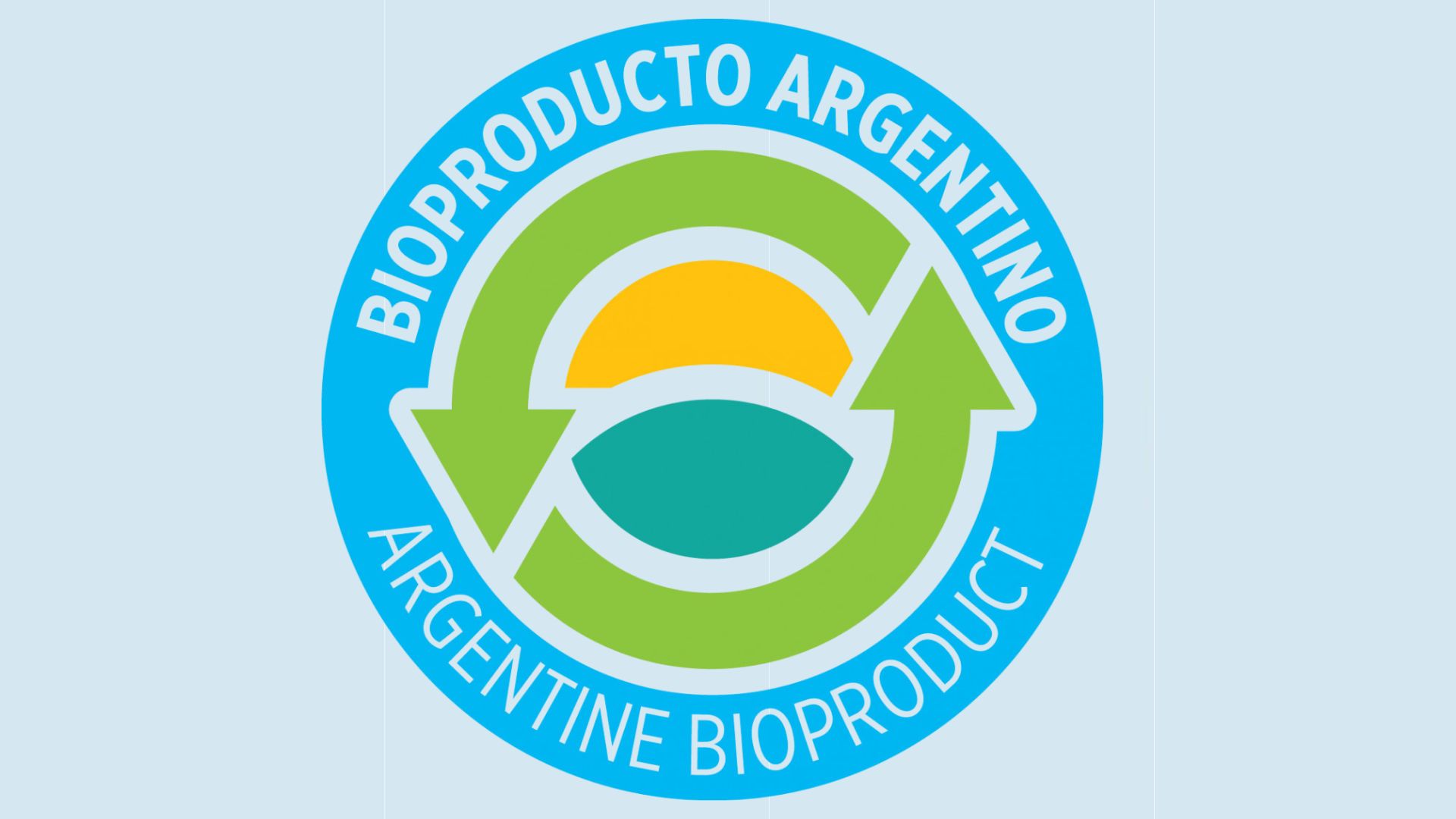
Last but not least, another recent government initiative is the Argentine Bioproduct seal, which is an official distinction granted to biomaterials, bioproducts and bioinputs of the national industry which are made with renewable raw materials and stand out for their innovation and contribution to sustainability.
The evaluation criteria for the award are based on bio-based content, sustainability and innovation. To date, 56 seals have been awarded to different bioproducts.
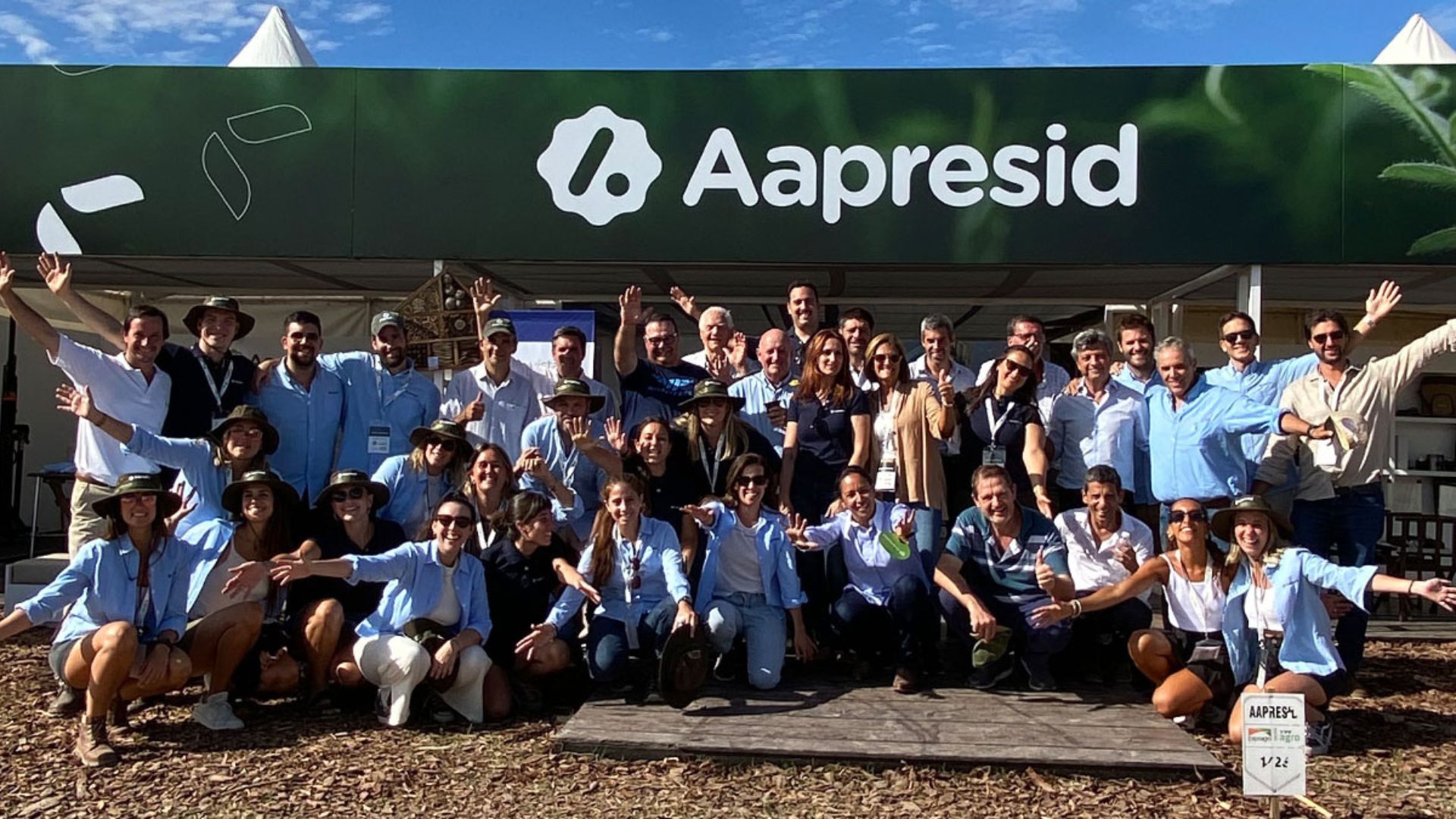
There is many grassroot and private sector involvement in Argentina with food production. Mr Volken cited, “The first that comes to mind is AAPRESID, a non-governmental syndicate of farmers, researchers and agricultural professionals that promote sustainable food production, notably through the implementation of no-till farming and balanced nutrient management. Every year, AAPRESID holds a Congress that brings together national and international stakeholders to learn about new trends in sustainable production systems.
“On the other hand, we have the Argentine Carbon Neutral Program (PACN) in which several Argentine Grain Exchanges participate. Its objective is to generate ‘Sectoral Manuals for Carbon Balance Calculation and Good Environmental Practices’, harmonised with international standards for each value chain to facilitate the environmental certification of Argentine agro-industrial products from cradle to port of export.
“Another initiative worth highlighting is Vi-Sec, coordinated by the Argentine Oilseed Industry Chamber (CIARA), whose purpose is to promote responsible soybean farming aligned with the need to protect the forests of the Gran Chaco ecoregion located in north-eastern Argentina, so that Argentine soybeans are globally recognized as an environmentally sustainable product.
“Within the framework of this initiative, all participating actors from the entire soybean value chain committed to not commercialise soybeans originating in areas where deforestation is or was practiced.”
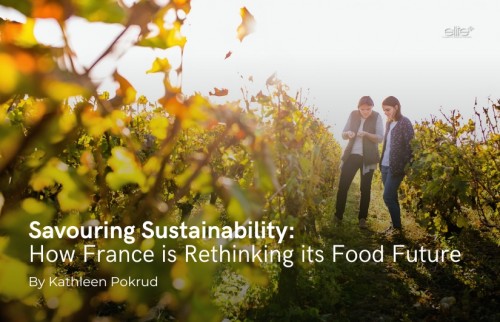
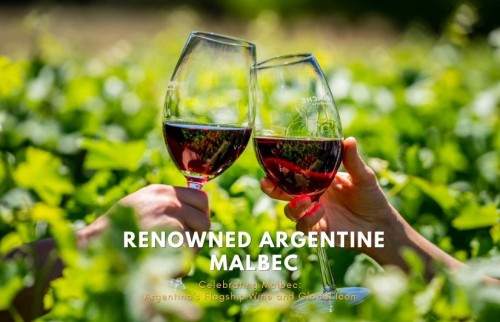
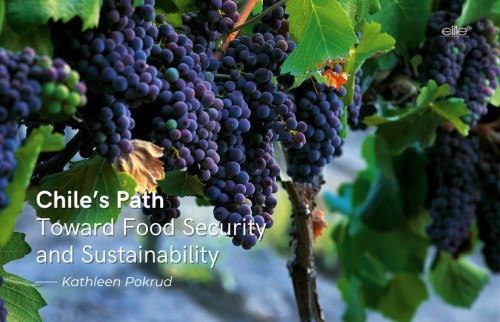
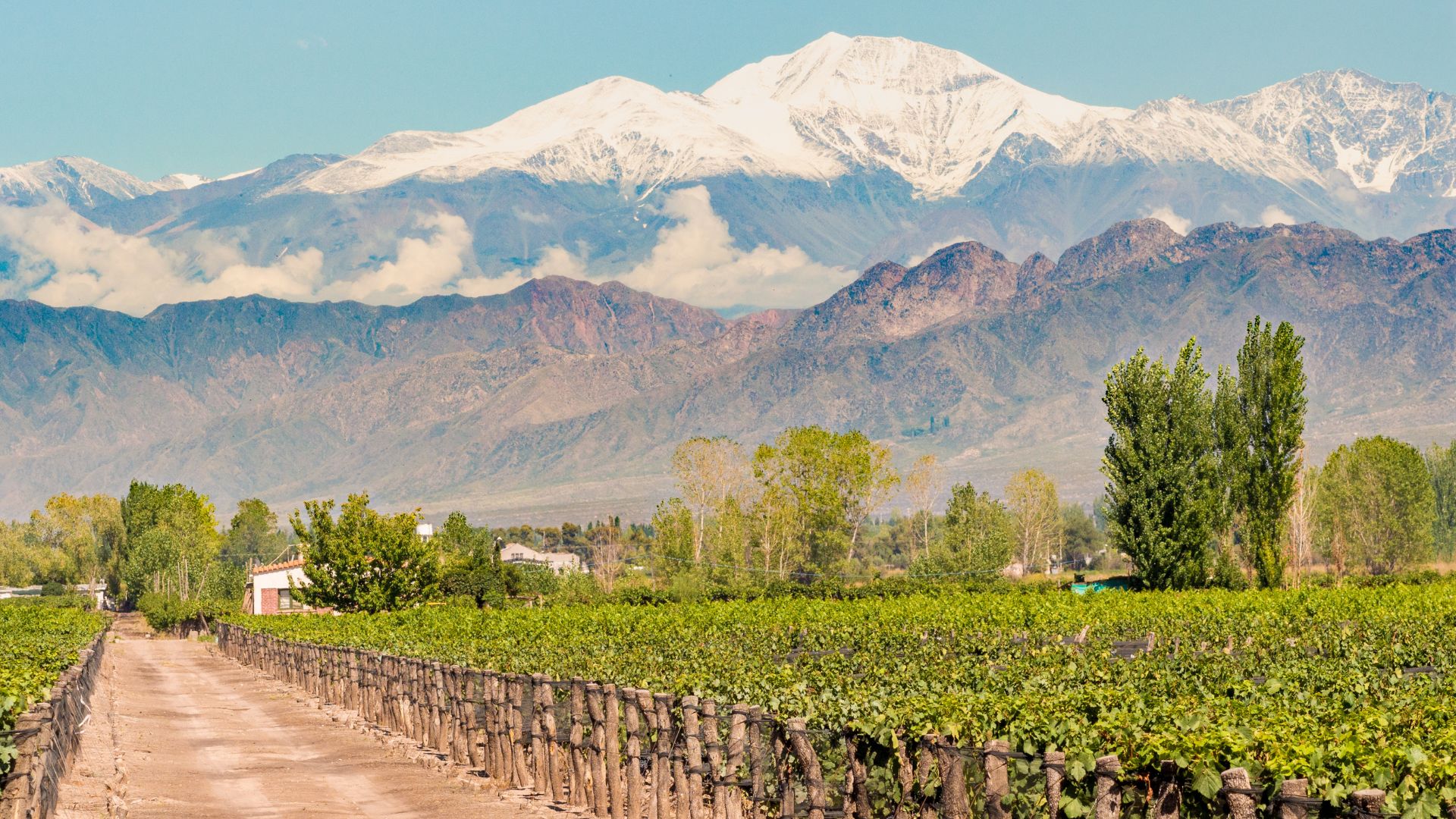
The final comment Mr Volken shared, “Lastly, regenerative agriculture is increasingly being adopted in viticulture, where wineries are turning their backs on extractive methods that degrade the soil while embracing three pillars: ceasing continuous plowing of the soils; instead providing ground cover through vegetables or plants; using trees as productive tools and ending monoculture as they try to restore the diversity of the landscape through poly-culture.”