

Sri Lanka cuisine celebrated at Mrs Balbir’s Cooking School
By Kathleen Pokrud
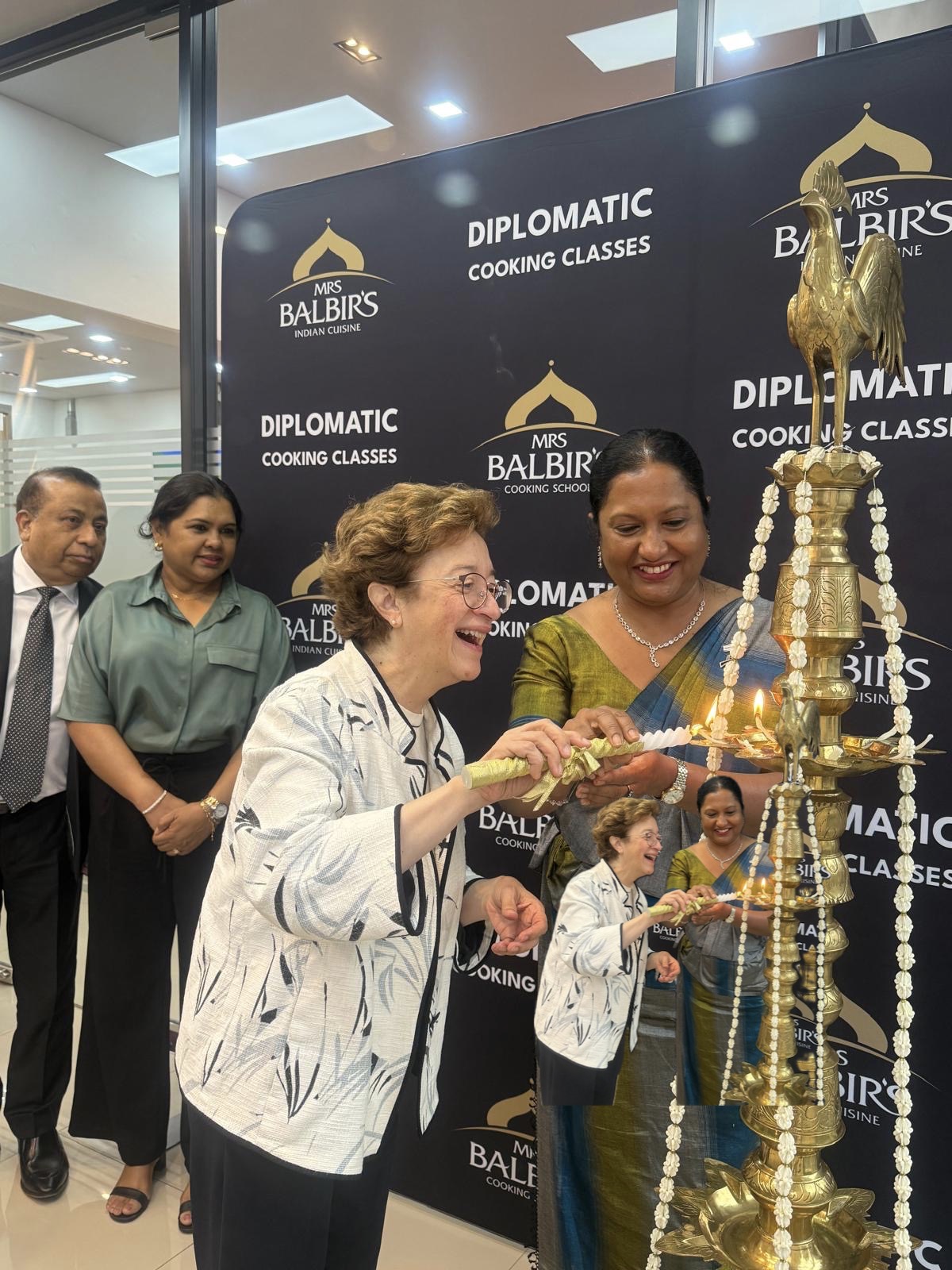
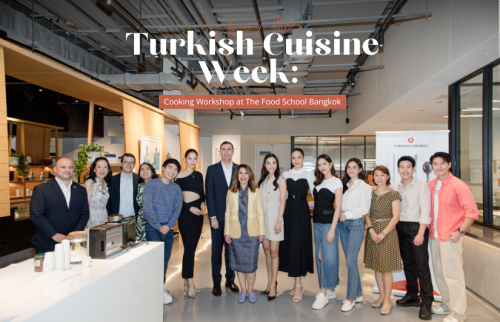
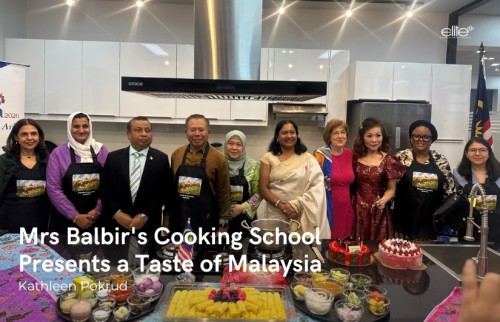
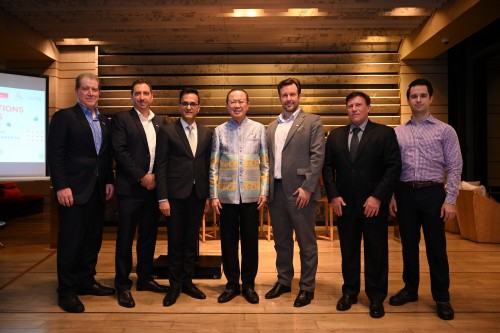
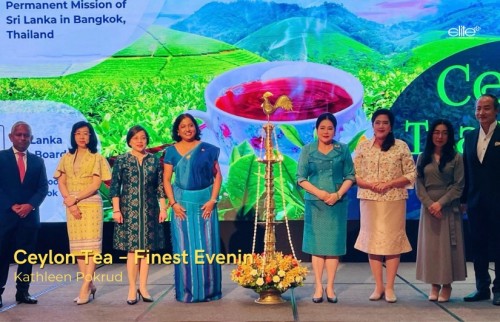
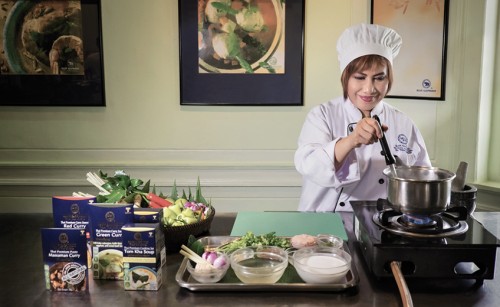
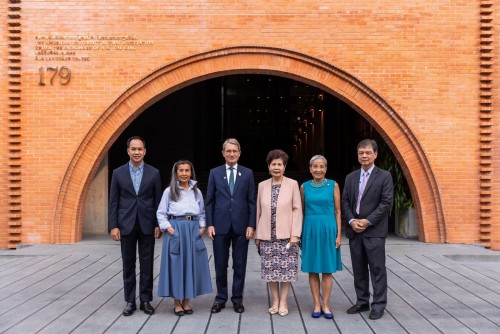
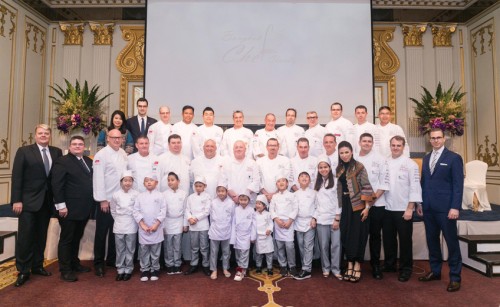
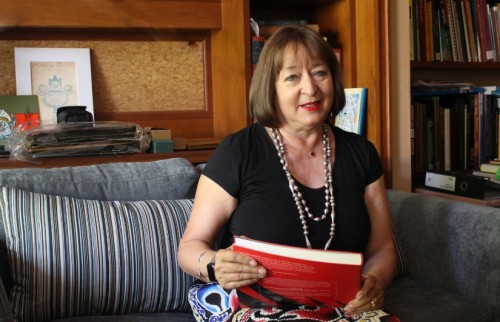
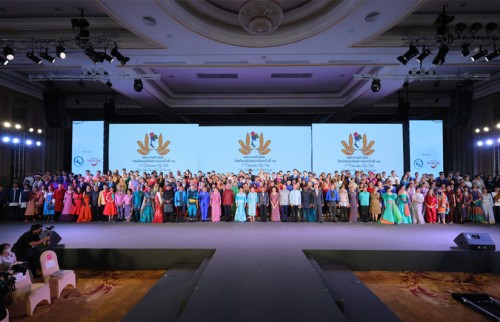
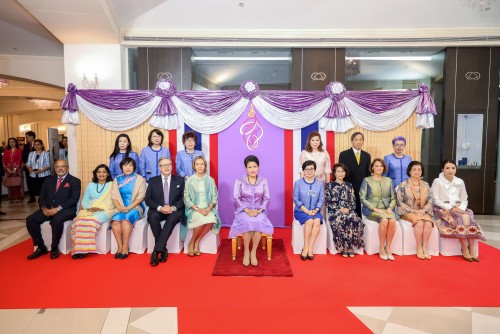
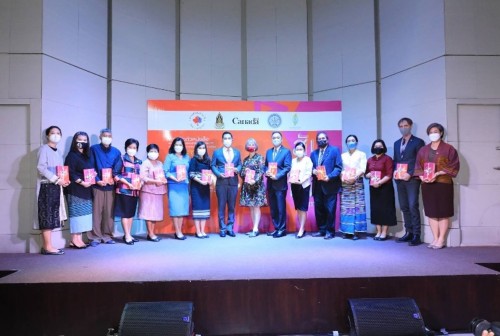
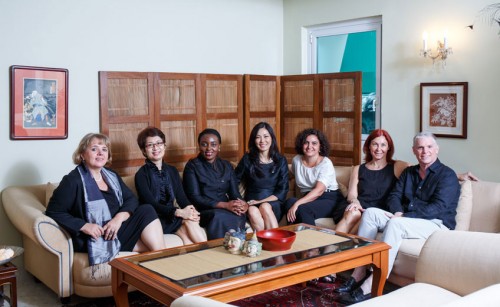
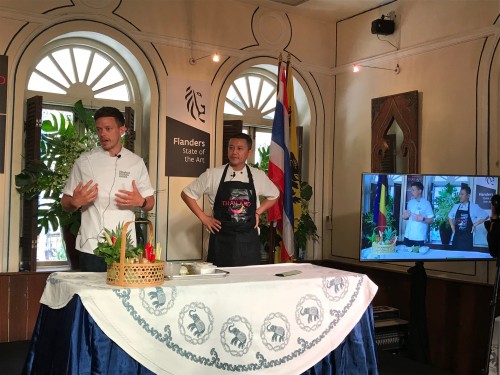
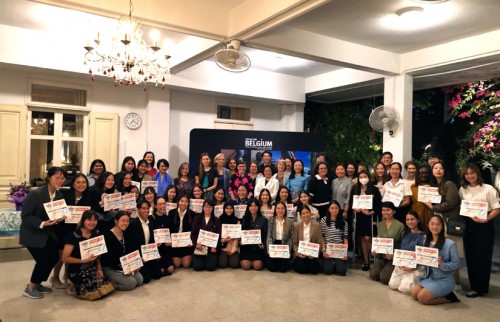
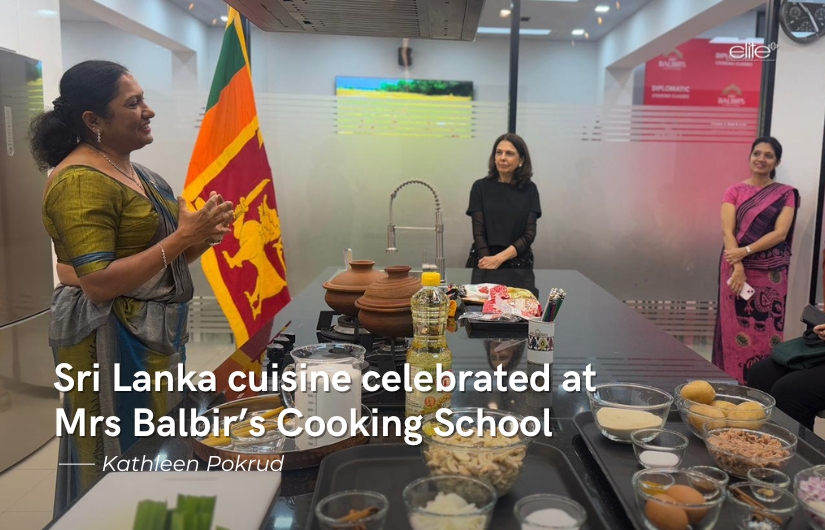
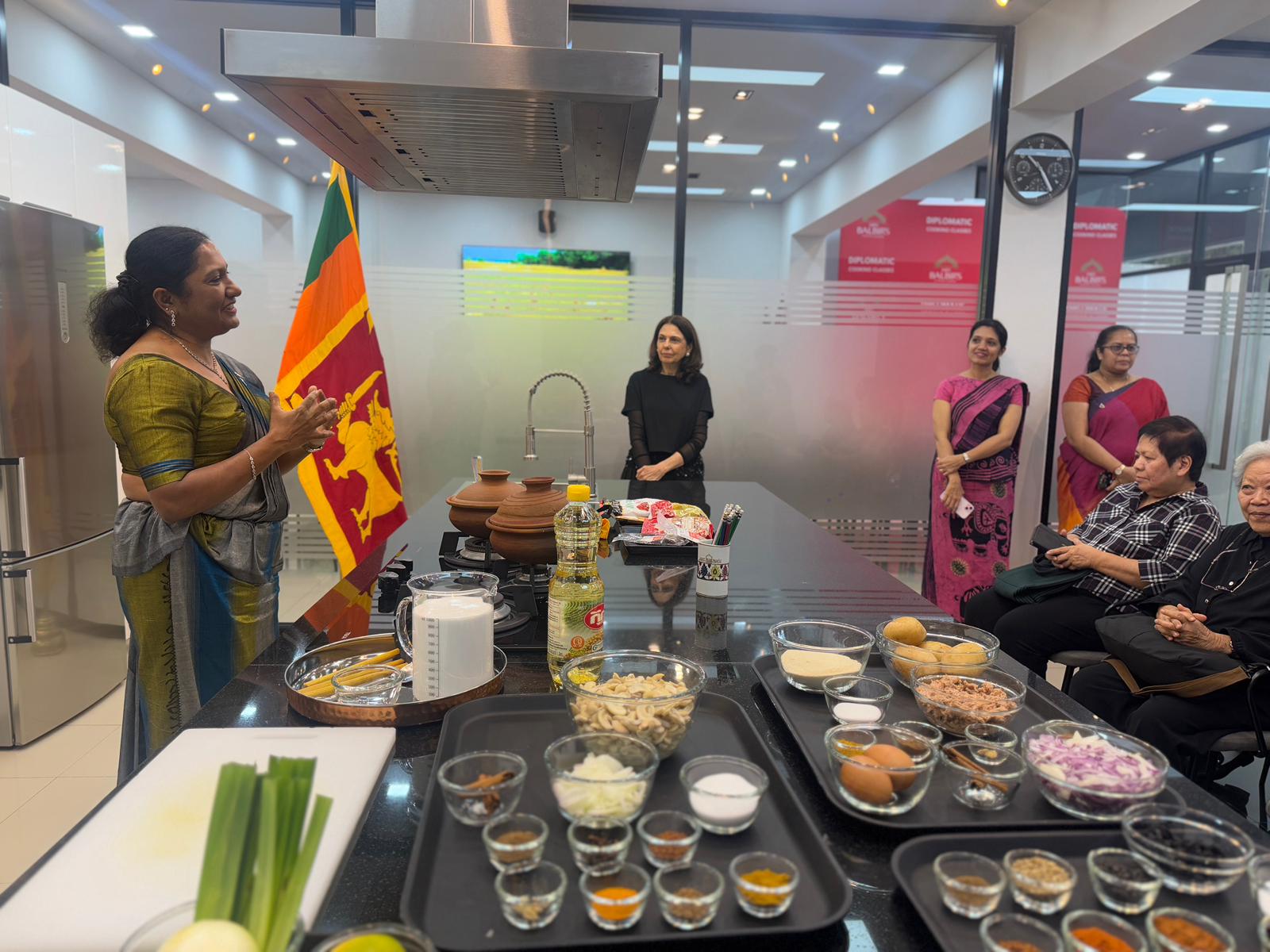
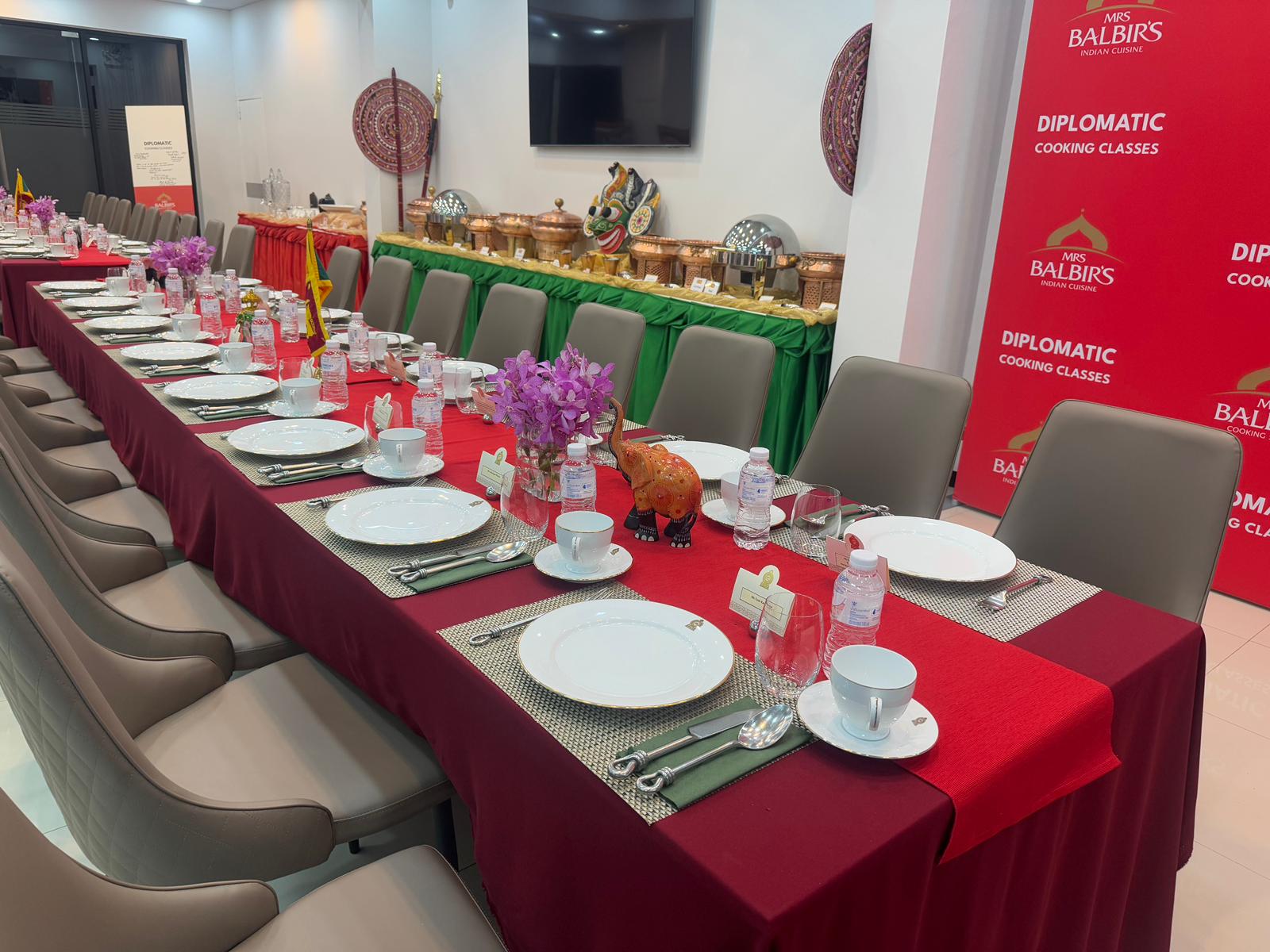
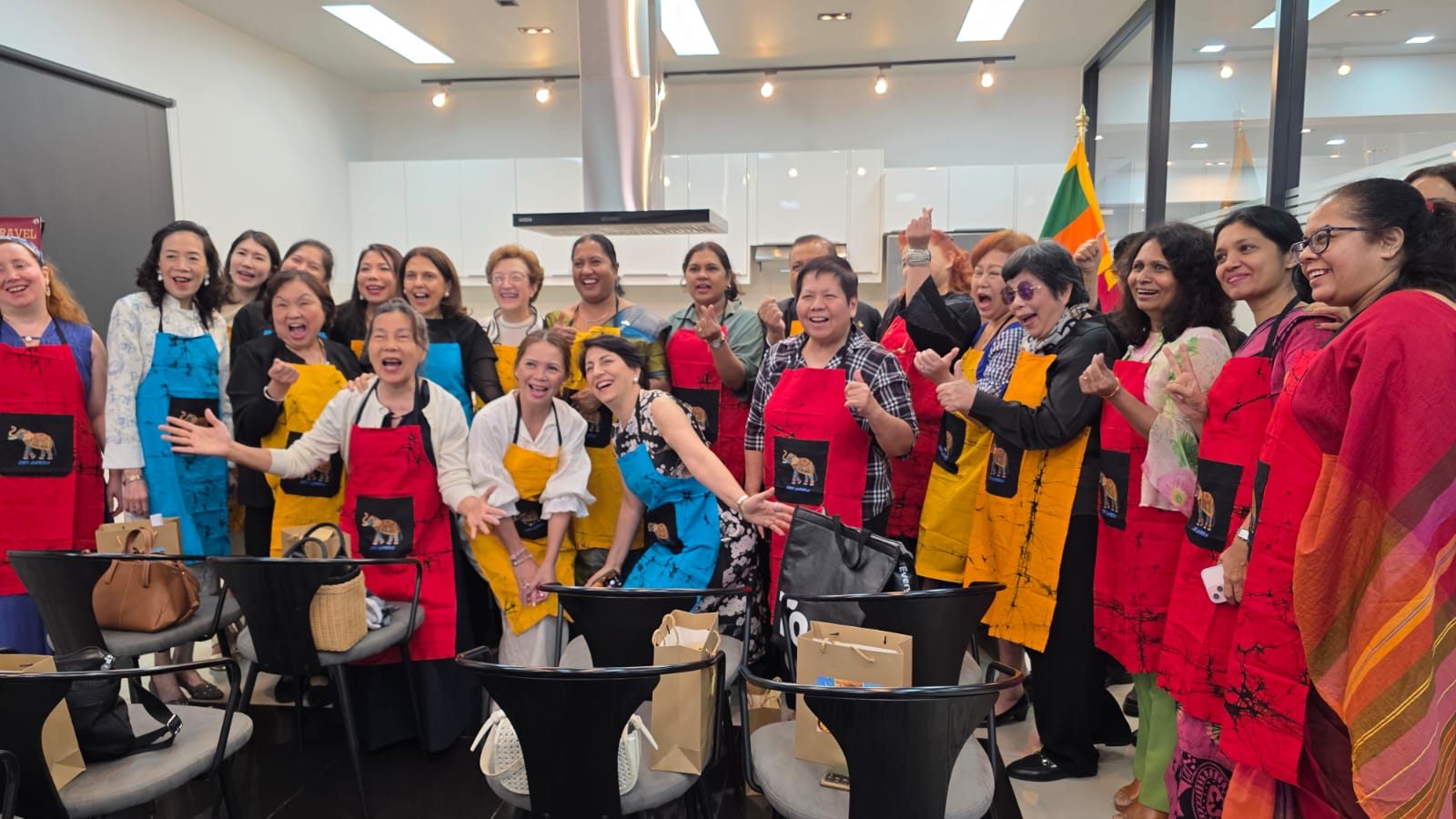
A special culinary experience that celebrated the rich flavours of Sri Lanka and the warm friendship between Sri Lanka and Thailand was recently hosted by the Embassy of Sri Lanka at Mrs. Balbir’s Cooking School.
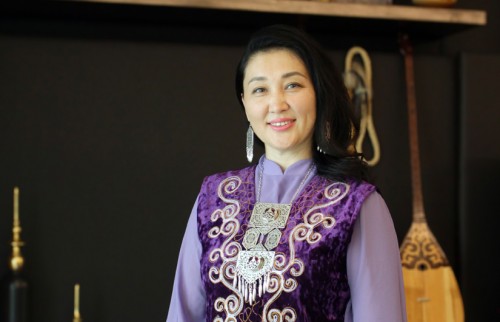
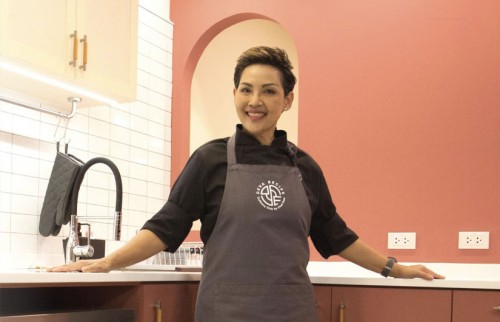
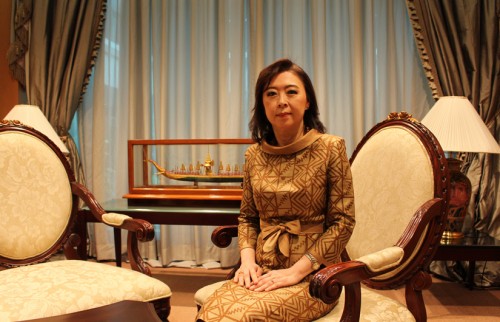
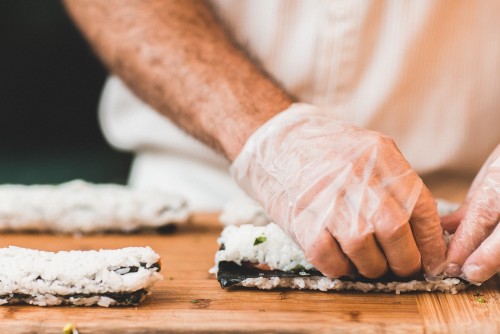
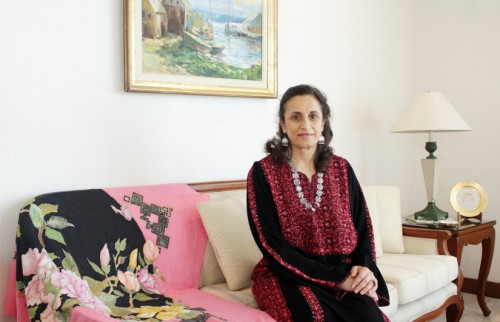
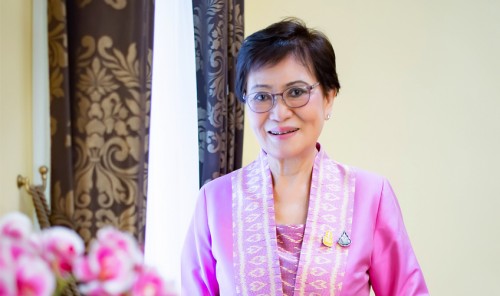
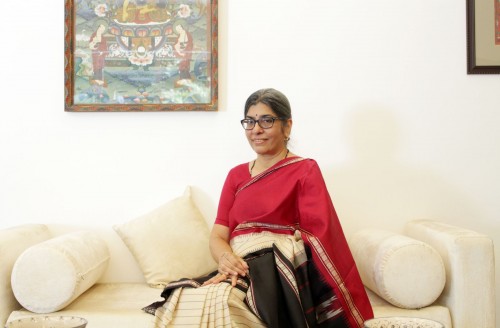
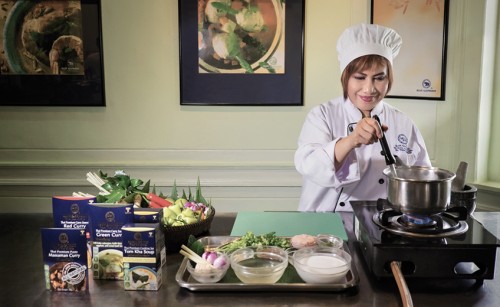
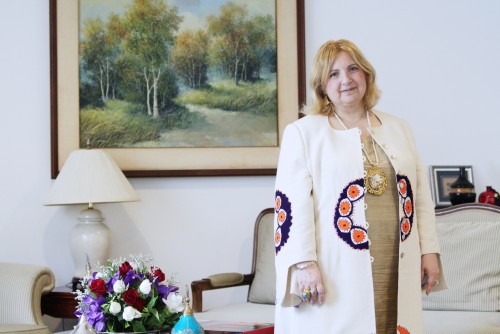
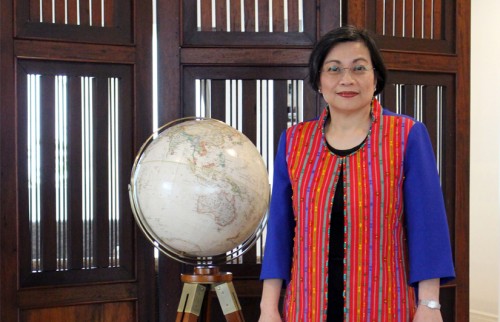
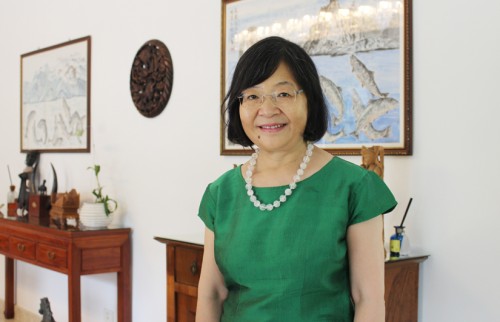
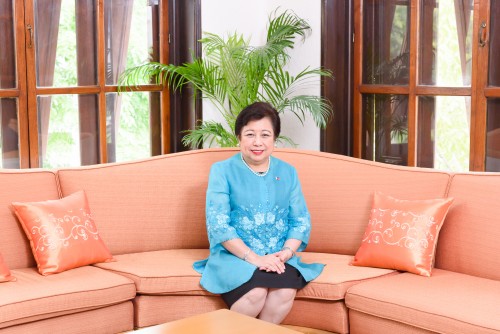
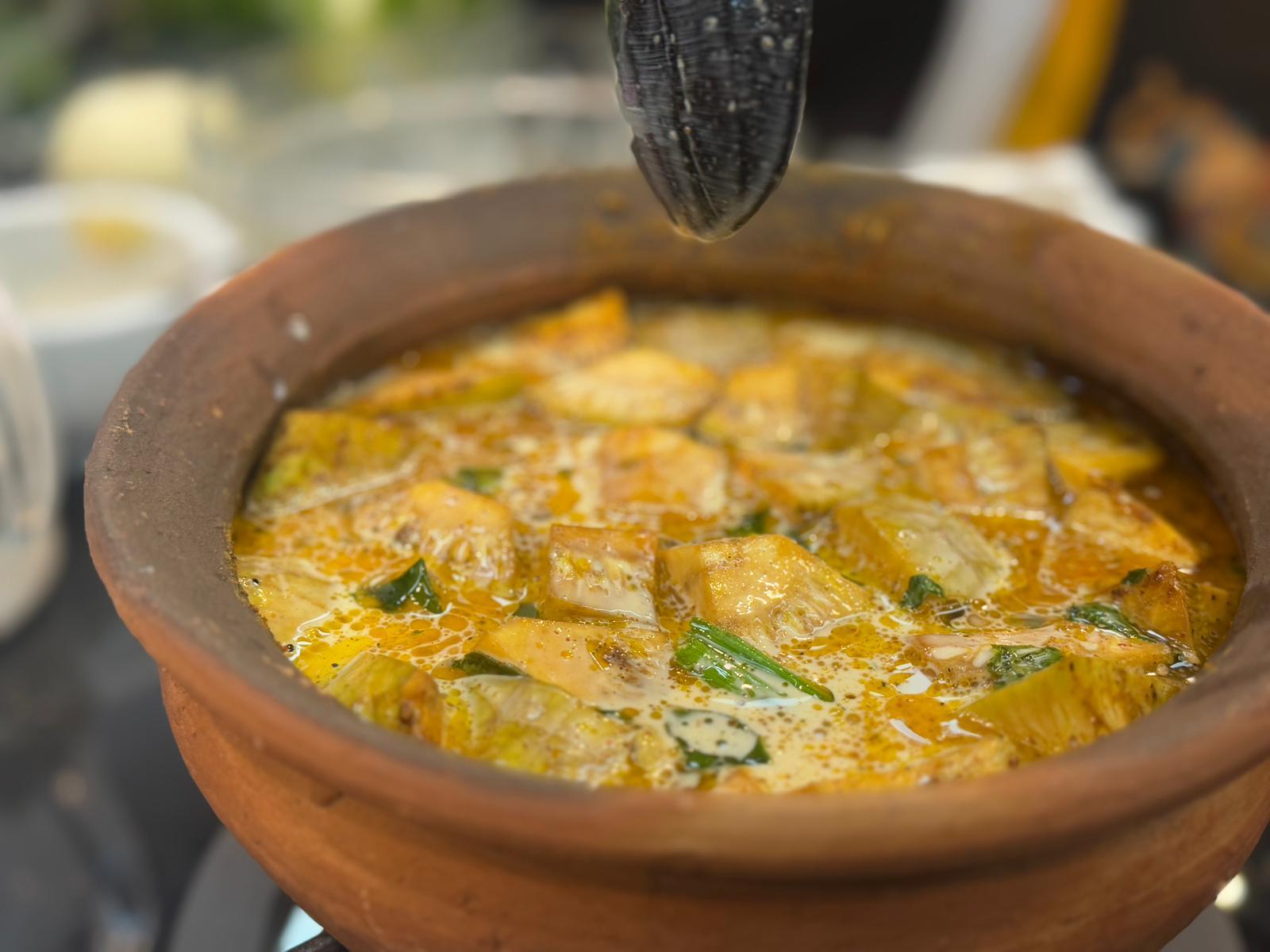
At the food demonstration, HE Ambassador Wijayanthi Edirisinghe personally cooked and demonstrated three distinctive dishes: Sri Lankan Cashew Curry (Kaju Maluwa); Young Jackfruit Curry (Polos Curry) and Sri Lankan Fish Cutlets.
Sri Lankan cuisine has a rich and colourful history shaped by years of cultural exchange, trade and colonisation. Ambassador Wijayanthi explained, “Our cuisine is based on ancient farming traditions with rice as the main food, often served with a variety of tasty curries made from vegetables, meat and seafood. Sri Lanka's location on old sea trade routes (Maritime Silk Road) brought many influences from South India, the Arab world and the Malay region, as well as European powers like the Portuguese, Dutch and British.
“These influences added new spices, ingredients and cooking styles to local food. Key features of Sri Lankan cuisine include the use of coconut in many forms, a wide range of spices and fermented foods, like hoppers and pickles. Over time, these traditions blended together, creating a unique and flavourful food culture that reflects the island's diverse heritage.”
Ambassador Wijayanthi proudly explained that Sri Lankan cuisine is becoming more popular around the world, known for its bold flavours, special spice mixes and variety of dishes. “Though not as widely known as some other Asian cuisines, it is getting more attention through food festivals, travel programs and Sri Lankan communities abroad. Dishes, like hoppers, kottu roti, pol sambol (coconut relish) and crab curry are loved for their rich taste and uniqueness. As more people discover Sri Lankan food, it is earning a respected place in the global food scene for its fresh ingredients and deep, exciting flavours.”
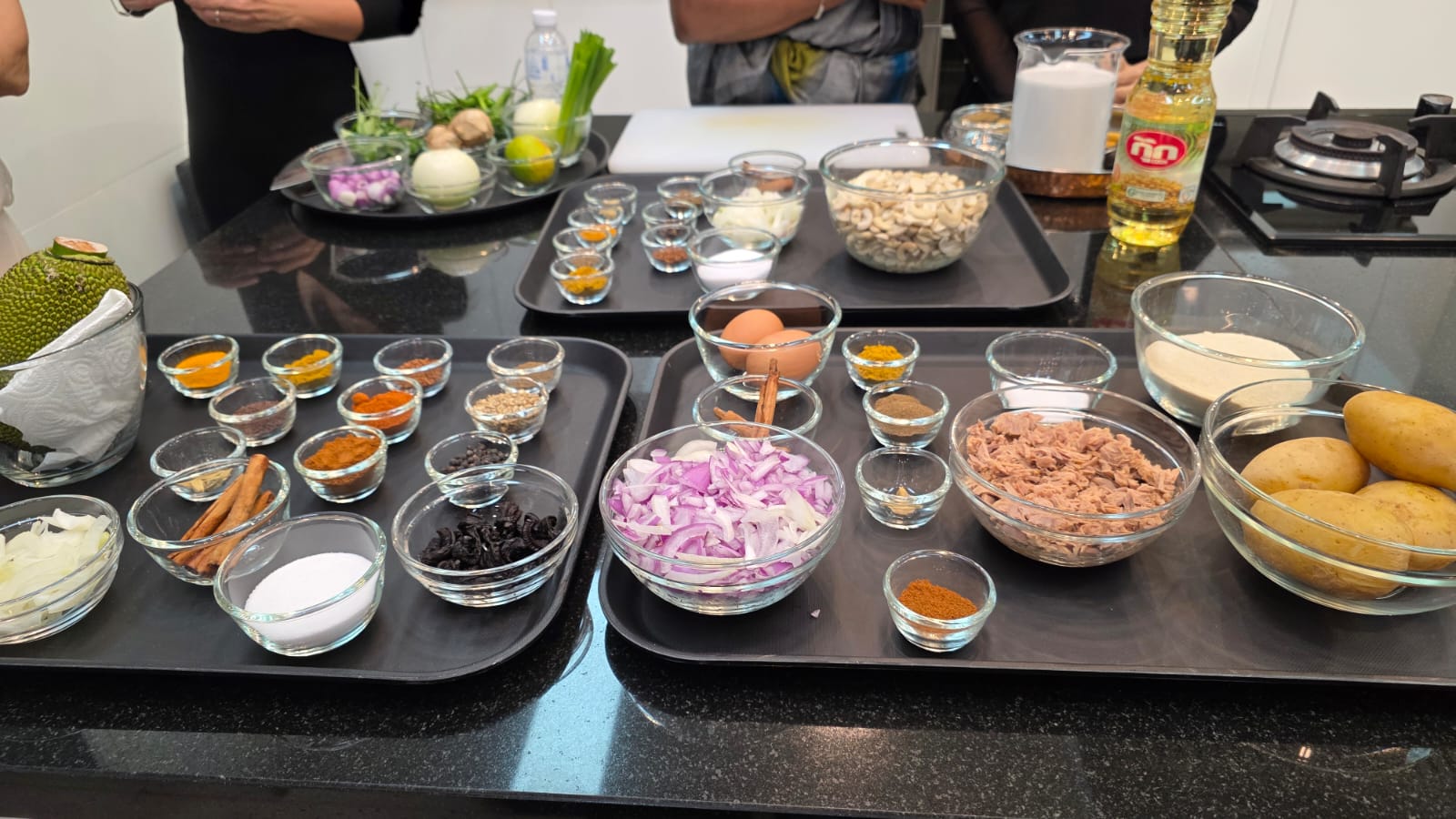
She added that Sri Lankan food culture reflects the island's rich history, diverse people and natural resources. “Meals are usually shared, focusing on hospitality and tradition, with rice and curry being the main part of everyday meals. What makes Sri Lankan food special is its bold use of spices, fresh coconut and a balance of spicy, sour, sweet and savoury flavours. The cuisine has been influenced by Indian, Arab, Malay, Portuguese, Dutch and British cooking, creating a unique food style. Ingredients like curry leaves, pandan, Garcinia, Ceylon cinnamon, black Pepper and Maldive fish add depth and make Sri Lankan food traditional and distinct.”
Ambassador Wijayanthi went on to say, “Traditional Sri Lankan cuisine is known for using locally sourced ingredients, flavourful spice blends and old cooking methods, like slow cooking in clay pots over firewood. Meals often center around rice, served with various curries made from vegetables, lentils, meats or seafood, along with side dishes like pol sambol (coconut relish), mallum (shredded greens) and pickles. Sri Lankan food is influenced by its geography and multicultural history. While South India brins rich spices and coconut, Arab traders introduced exotic spices. Colonial influences from the Portuguese, Dutch and British added new techniques and dishes, like lamprais.
“In terms of regional differences, our cuisine is diverse, with each region offering unique flavours influenced by local ingredients, ethnic groups and geography. In the north and east, Tamil flavours dominate through spicy curries, dry fish, tamarind and Jaffna curry powder. The south is known for bold, sour dishes, like fish ambul thiyal made with garcinia. In the central hill country, meals are vegetable-based. The western coastal region, especially around Colombo, mixes traditional and colonial dishes, like lamprais and kottu roti. Rural areas, like Uva and Sabaragamuwa, focus on herbal dishes, wild greens and local dairy products like buffalo curd.”
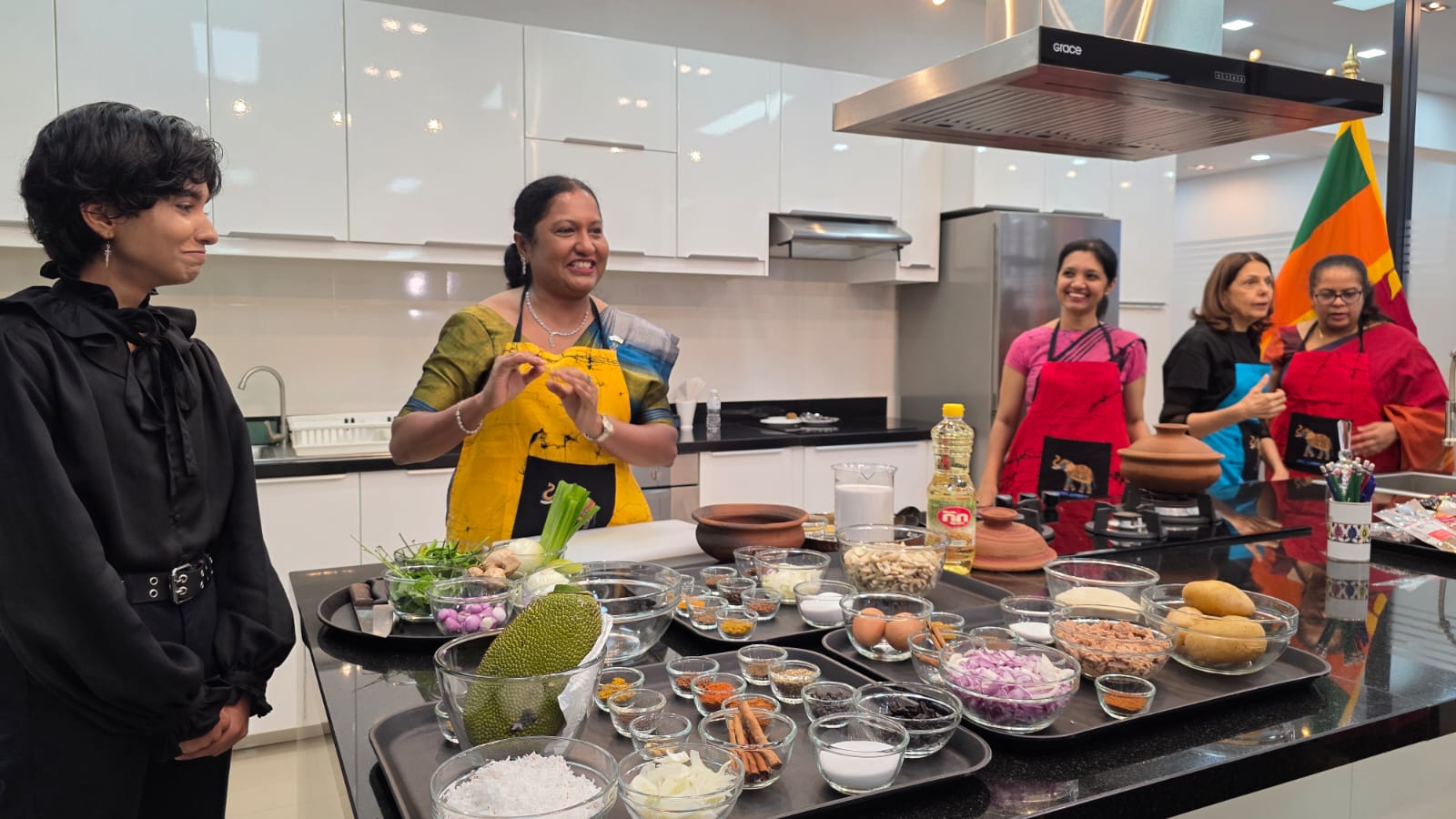
Ambassador Wijayanthi listed a few key dishes that reflect the island's rich flavours, cultural diversity and love for spices, “The staple meal is rice and curry, often served with multiple curries made from vegetables, lentils and meats, along with sides like pol sambol (coconut relish) and mallum (shredded greens). Hoppers (appa) are a popular breakfast. Kottu roti, a street food made by stir-frying chopped roti with vegetables, eggs, and meat, is a favourite. Other iconic dishes include string hoppers (idiyappam), lamprais (rice baked in banana leaves), fish ambul thiyal (sour fish curry depth with garcinia) and watalappan (coconut custard dessert).
“Modern Sri Lankan cuisine blends traditional flavours with new cooking techniques and global influences. Upscale restaurants and new chefs are reinterpreting classic dishes with creative presentations and ingredients. Despite these changes, the core elements of Sri Lankan cuisine, bold spices, coconut milk bases and vibrant textures remain the same.”