

Lessons Learned in Korea’s Food Sustainability
By Kathleen Pokrud
Photos courtesy of the Embassy of Korea in Bangkok and the Rural Development Administration under the Ministry for Food, Agriculture, Forestry and Fisheries in Korea.
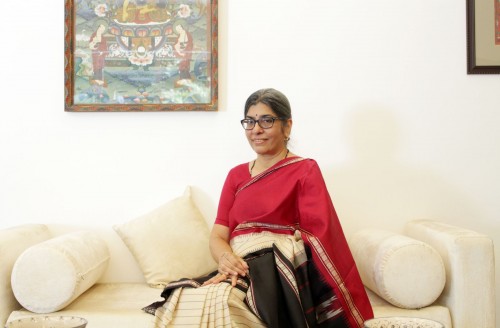
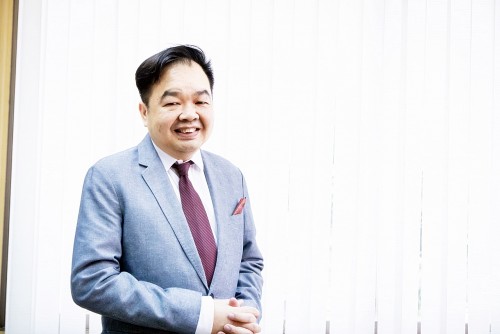
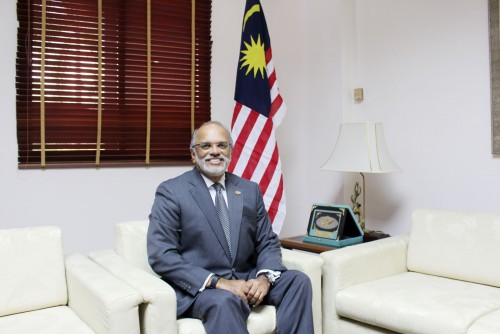
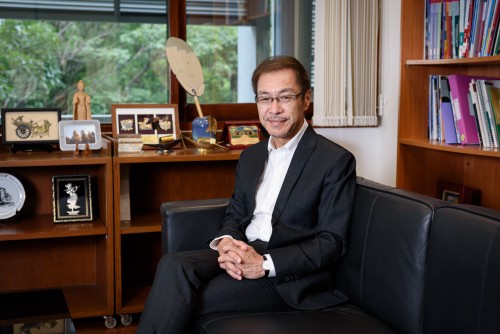
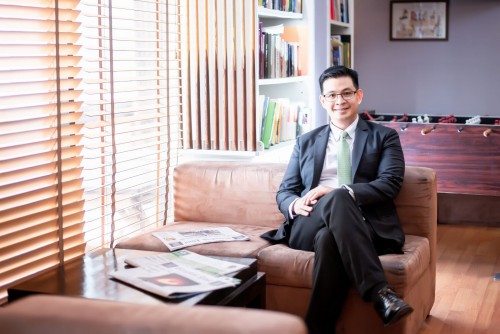
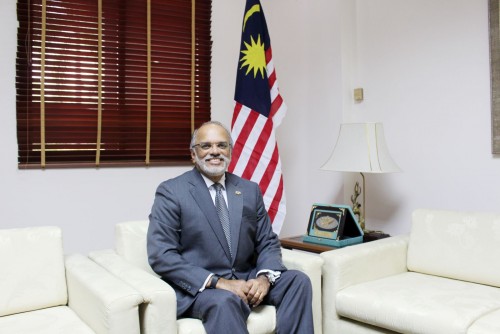
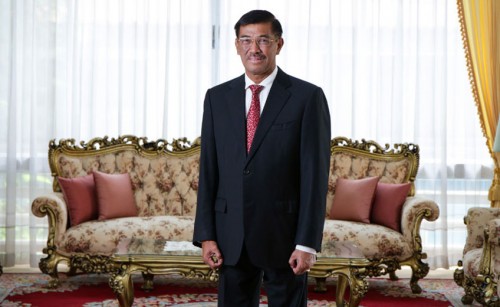
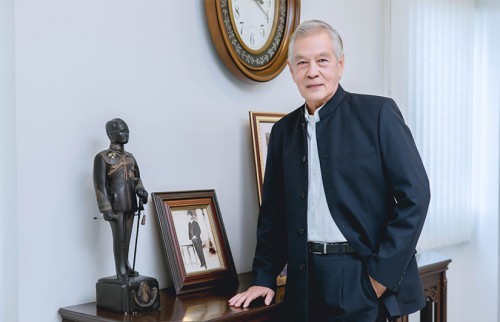
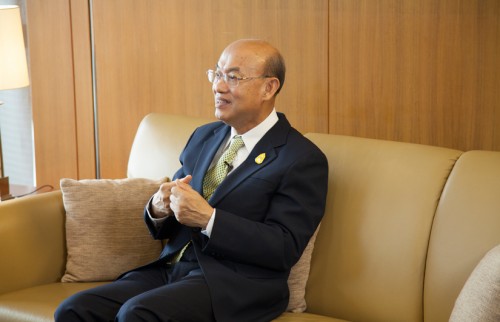
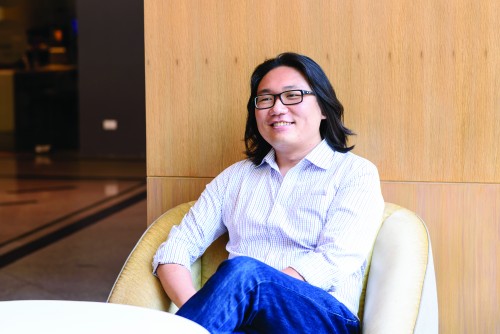
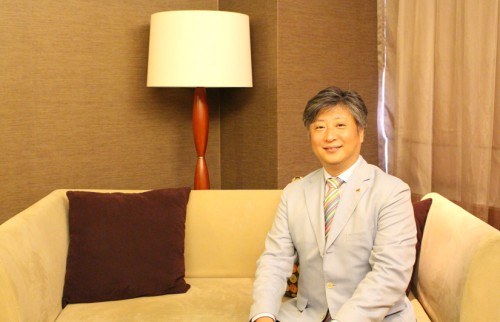
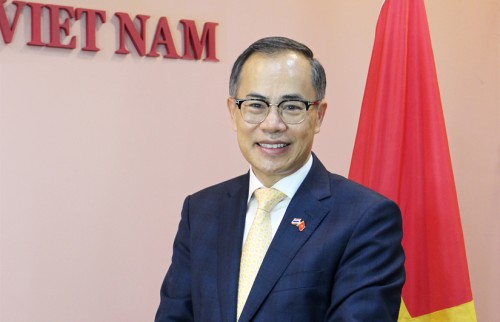
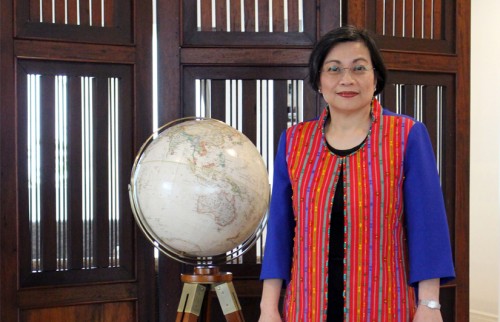
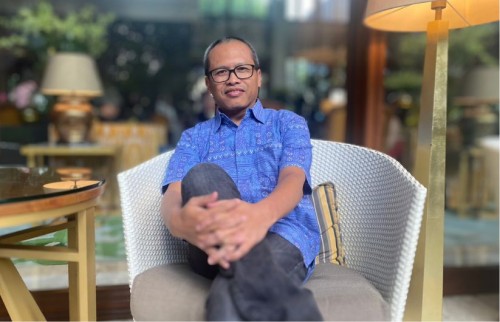
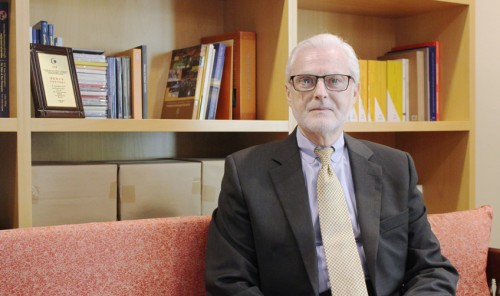
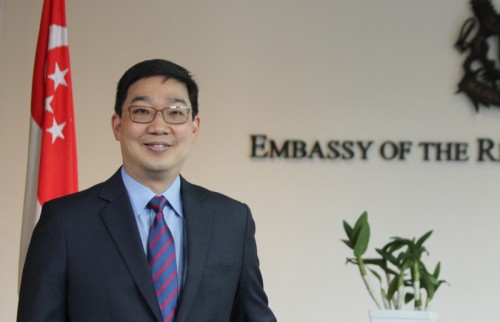
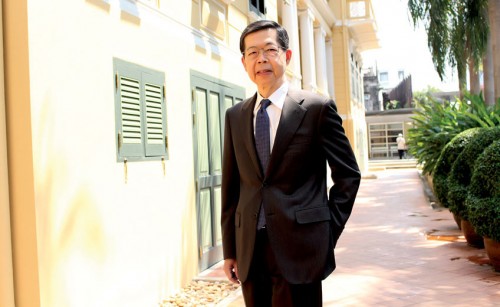
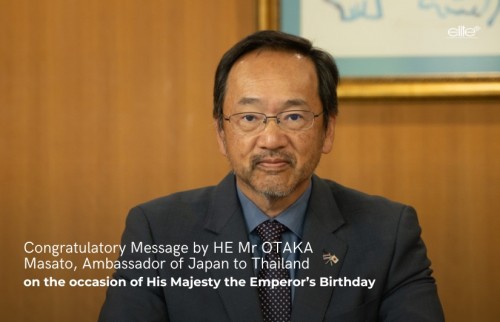
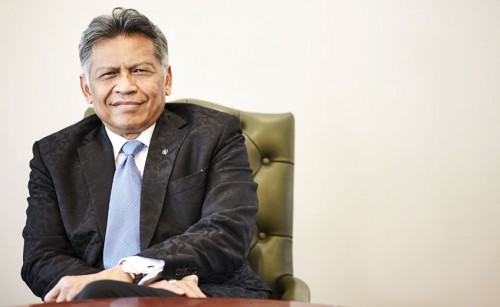
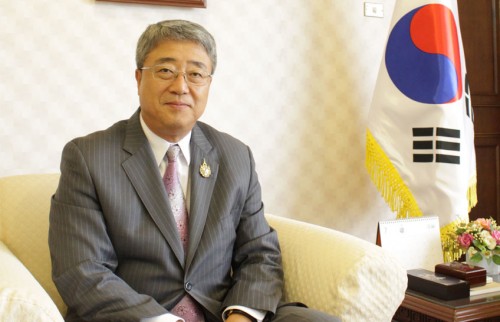
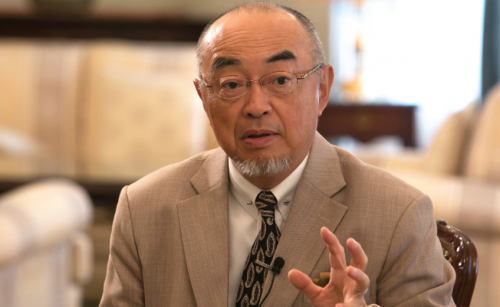
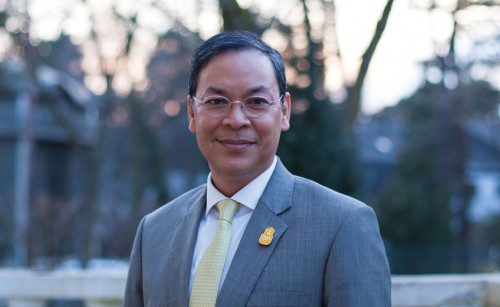
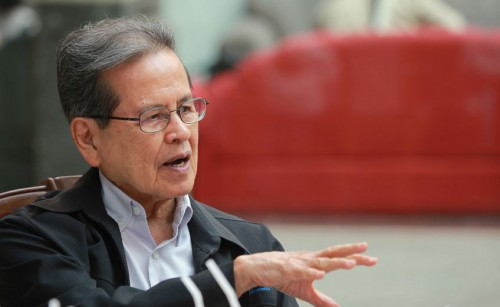
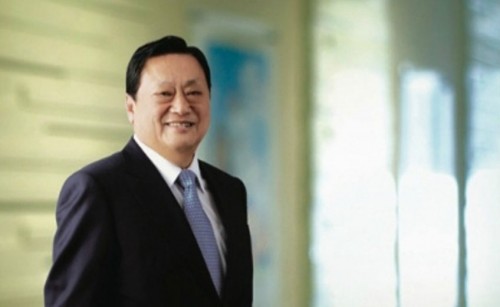
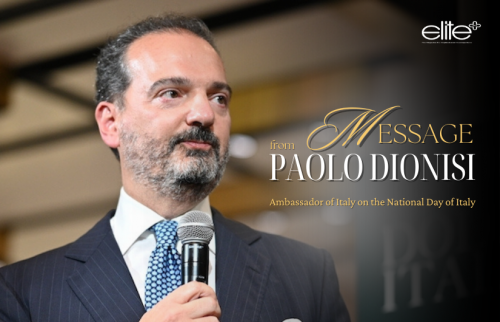
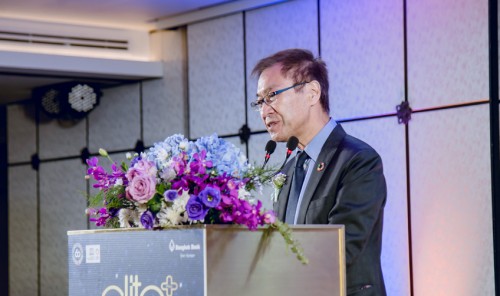
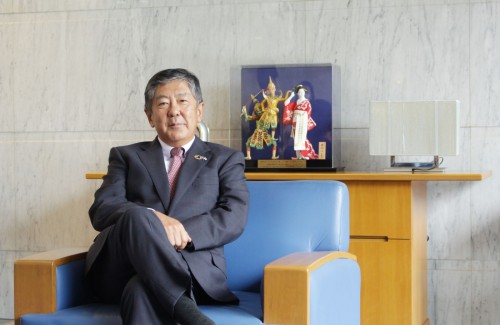
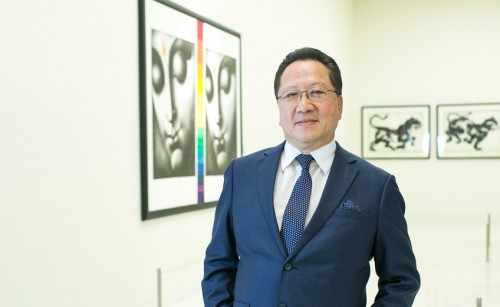
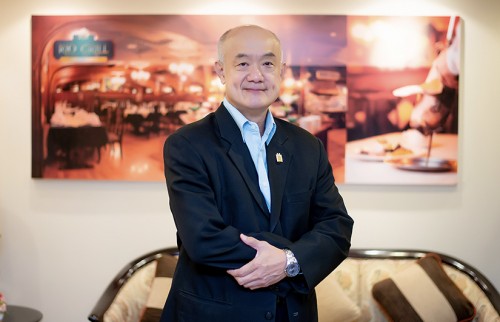
Agriculture plays a critical role in Korea’s national “2050 Carbon Neutrality Plan”. The Government is gradually moving toward regenerative agriculture by reducing chemical fertiliser and pesticide use, expanding organic farming, strengthening eco-friendly certification systems to enhance soil carbon sequestration and promoting smart farming technologies. In "Global Culinary Stories", healthy Korean cuisine was explored (https://www.eliteplusmagazine.com/Article/728/Korean_Cuisine__Healthy__Tasty_And_Stylish). Now, for this article, I sat down with HE Ambassador Park Yongmin to learn about Korea’s food sustainability.
_1433363251.JPG)
Ambassador Park began by saying that food security is not merely an issue of food supply, but also a matter of national survival. He explained, “Approximately 70 percent of Korea’s territory is mountainous, which severely limits arable land. While rice enjoys a self-sufficiency rate of over 90 percent, Korea depends on imports for nearly 90 percent of its wheat, corn and soybeans. Under such structural conditions, volatility in global grain prices or disruptions in international supply chains can have an immediate and direct impact on national food security.
“For this reason, the Korean government has treated food security as a matter of national strategy. The Covid-19 pandemic and Russian invasion on Ukraine war have further reinforced this perspective, prompting Korea to reassess food security not as a narrow agricultural concern but as a core pillar of national resilience directly linked to the survival and stability of our population.”
Korea is actively pursuing climate action and a transition toward sustainable agriculture, yet it faces significant structural and practical challenges. Ambassador Park expanded, “In 2025, Korea’s score on the Global Food Security Index stood at 70.2, ranking us 38th out of 113 countries. While Korea performs strongly in affordability and food quality and safety, we score comparatively lower in domestic production capacity and resilience to global supply-chain risks.
“Korean agriculture is also characterised by small-scale and aging farm structures. According to statistics from the Ministry of Agriculture, Food and Rural Affairs, the average farm size is approximately 1.6 hectares, limiting the feasibility of large-scale mechanisation or rapid transition to eco-friendly farming. Moreover, as of 2023, the average age of Korean farmers was 68, and the shortage of young farmers capable of adopting new eco-friendly and regenerative practices poses a major obstacle to sustainable transformation.”
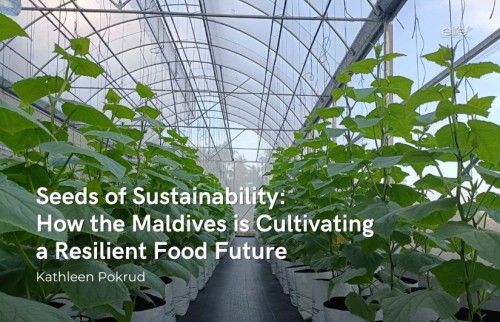
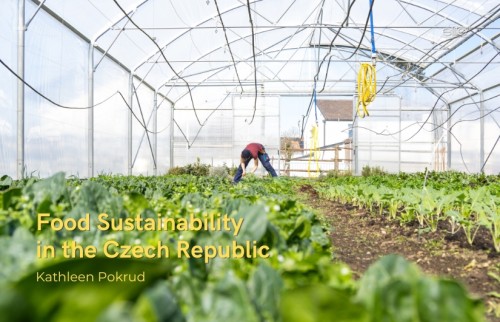
Ambassador Park said that amid intensifying climate change, rural labour shortages, and global food supply instability, Korea is transitioning from traditional agriculture toward a technology-driven strategic industry. “Data, automation and sustainability are becoming the core drivers of agricultural innovation. Given our limited farmland and high dependence on food imports, Korea has designated precision agriculture and smart farming as national strategic priorities. Rather than expanding farmland, Korea’s approach focuses on producing more with fewer resources by integrating advanced technologies throughout the entire production cycle while simultaneously improving productivity, stability and environmental performance.
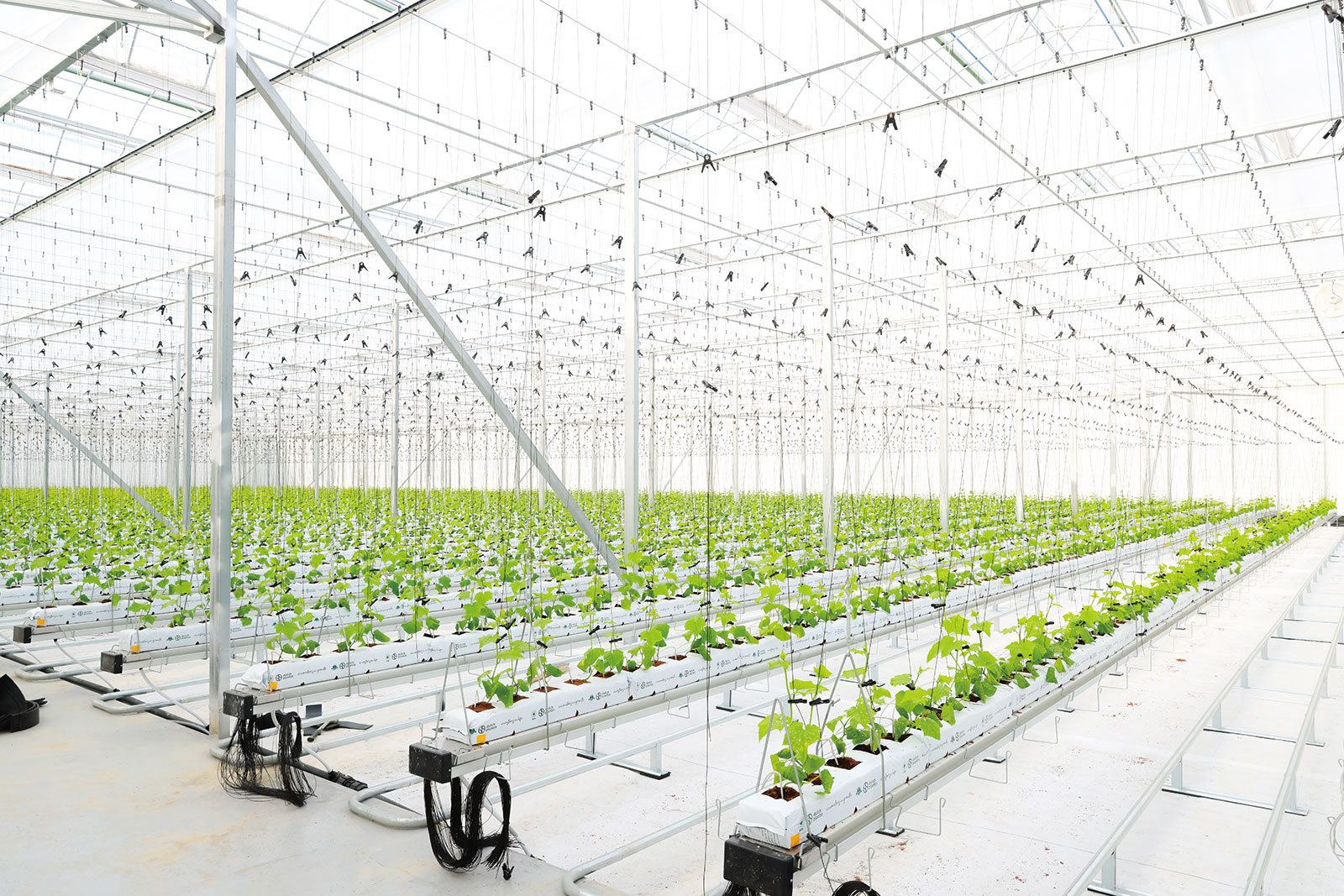
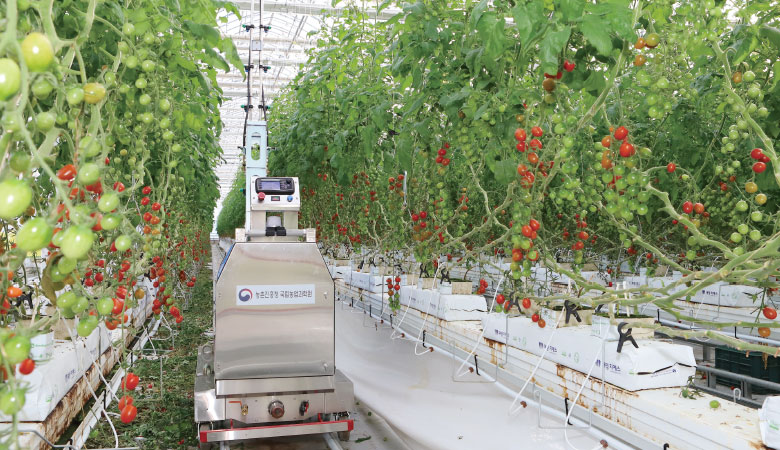
“Under the 2025–2030 Smart Farm Policy Roadmap, the Government aims to increase the smart-enabled share of greenhouse facilities from approximately 16 percent today to over 35 percent by 2030. The expansion of Smart Farm Innovation Valleys and smart agriculture clusters is also underway, alongside strengthened education and support infrastructure for young farmers and agri-tech startups.
“Artificial intelligence and big data are used to analyse crop growth data, weather patterns, and soil conditions, optimizing planting, irrigation, and harvesting schedules.
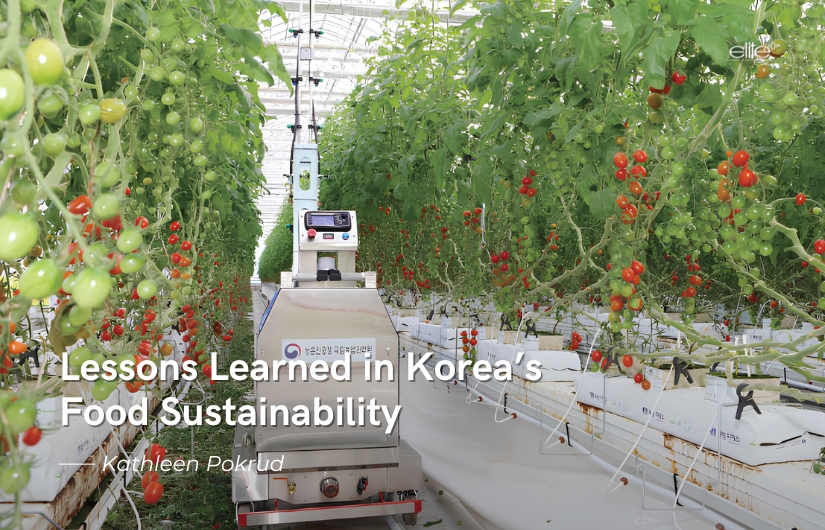
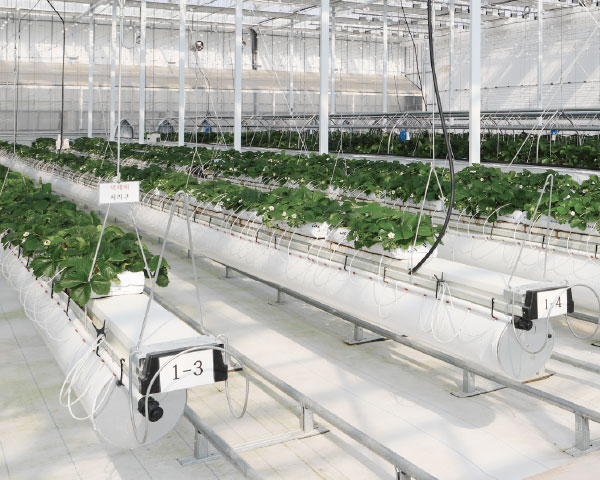
“Controlled-environment agriculture allows year-round production regardless of climate volatility, while robotic harvesting and monitoring systems help address labour shortages caused by rural aging. Through smart farming, Korea aims to reduce water, fertiliser and energy use while increasing yields and minimising environmental impact. These efforts are complemented by farmland conservation policies, support for young farmers and expanded organic and low-carbon certification schemes to build a sustainable food system over the long term.”
Touching on the subject of the private sector and grassroots movements, Ambassador Park said, “Food sustainability in Korea is being advanced through local food movements, cooperatives and private-sector engagement. First, local food movements and regional food communities are expanding nationwide. Wanju County in North Jeolla province is a leading example, supplying locally produced food to schools and public institutions through its “Food Plan”, thereby, increasing farm income while reducing carbon footprints. Similar local food policies are now being implemented by more than 100 local governments, directly connecting farmers and consumers at the grassroots level.
“Second, consumer cooperatives and citizen-led initiatives play a vital role. Major cooperatives such as Hansalim, iCOOP, and Dure Cooperative, are built on direct trade in organic and pesticide-free products, with consumers participating not merely as buyers but as cooperative members who share responsibility for sustainable food systems.
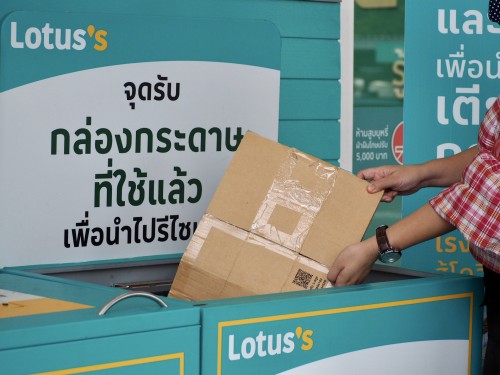
“Third, large retailers are expanding their offerings of eco-friendly agricultural products while food companies are strengthening ESG management through initiatives such as low-carbon labelling and sustainable packaging.
“In response to climate risks and global supply-chain uncertainty, Korea is actively exploring future-oriented agricultural models. These include AI-based precision agriculture, vertical farming, cultivated meat and the development of climate-resilient crop varieties.
“Korea is also diversifying it's global grain sourcing across Asia, Central Asia and South America to effectively respond to international supply disruptions. At the same time, government investment in agricultural research and development is expanding to strengthen climate-adaptive agriculture. In this context, agriculture is no longer viewed merely as a production activity, but as a strategic national asset.
“Korea’s smart agriculture ecosystem is not confined to domestic applications. Korean companies and research institutions are working with international partners in areas such as smart greenhouse systems, agricultural AI platforms, climate-adaptive crop technologies, and education and capacity-building programs. These solutions are particularly relevant for tropical and subtropical regions facing rising temperatures and shifting rainfall patterns.”
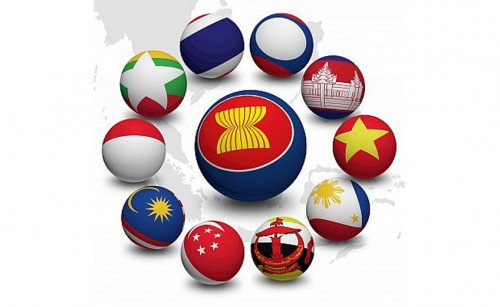
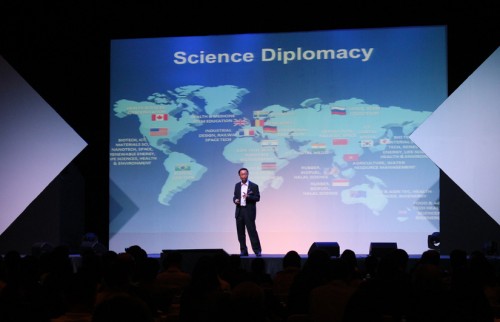
In concluding, Ambassador Park reiterated, “Food security is not a challenge any single country can address alone. Climate change, conflict and supply-chain disruptions transcend national borders. Korea is expanding cooperation with ASEAN in areas such as grain reserves, smart agriculture technology sharing and genetic resource conservation, and we will continue to work in solidarity with the international community to build more sustainable food systems.
“The choices we make today will determine the dinner tables of future generations. Food security is therefore not merely a policy agenda, but a collective promise to humanity. Korea’s experience demonstrates that smart agriculture is no longer optional but essential. When innovation, sustainability and strategic planning are combined, agriculture can evolve into a future industry that simultaneously supports food security, economic growth, and environmental protection.
Thailand, as one of ASEAN’s leading food suppliers, plays a vital role in global food security. Korea and Thailand have already built a close partnership in agri-food trade. By sharing experiences and complementary strengths, the two countries can become key partners in strengthening food systems across Asia and the world into working together toward a safer and more sustainable table for future generations.”