

Italy Serving the Table of Sustainability
By Kathleen Pokrud
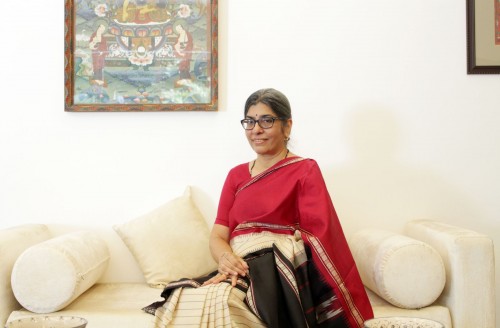
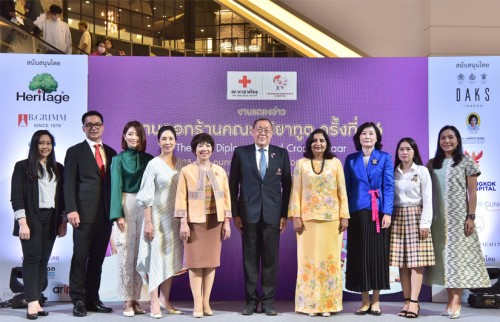
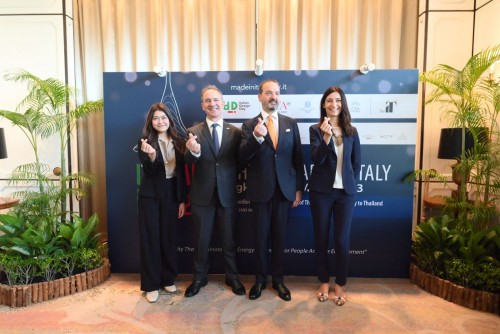
Photo courtesy of Italian Trade Agency
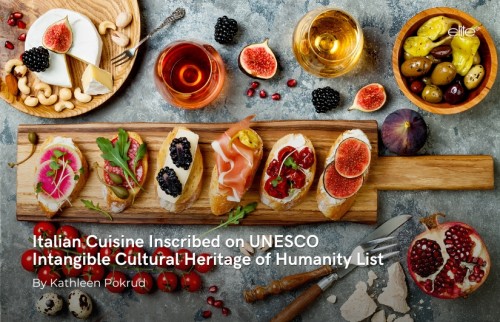
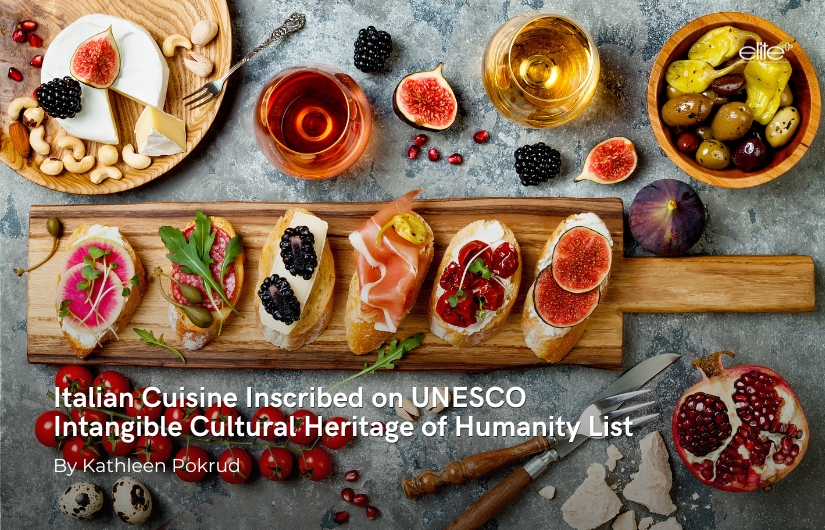
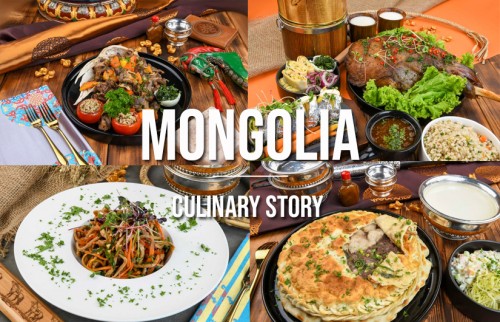
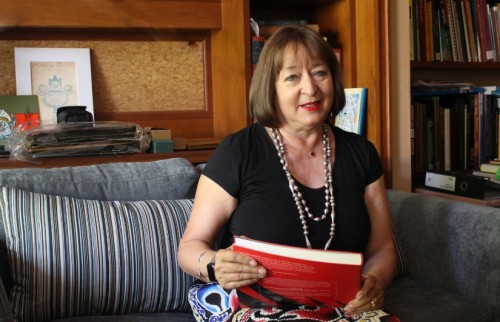
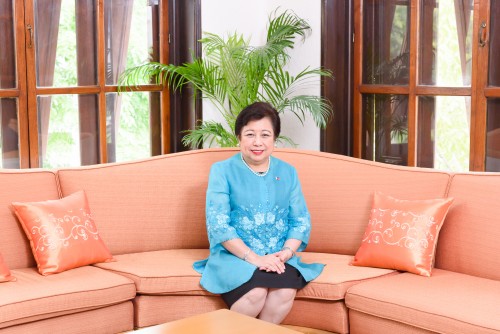
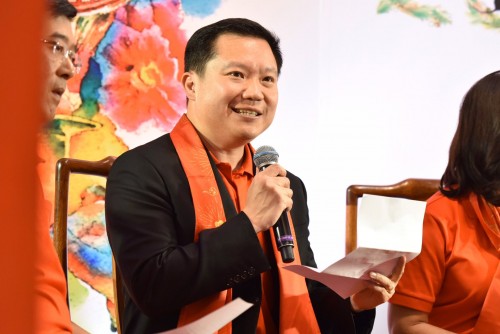
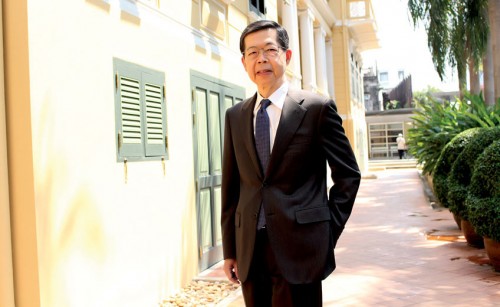
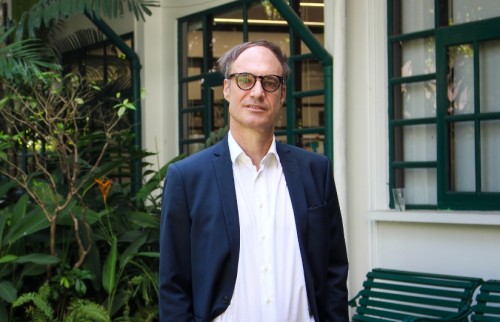
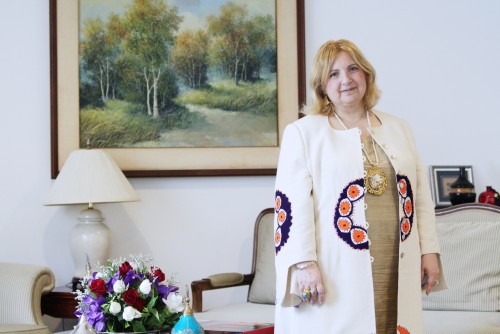
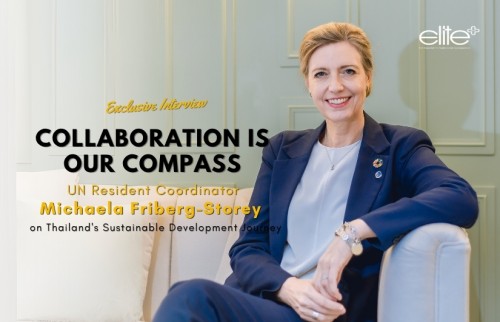
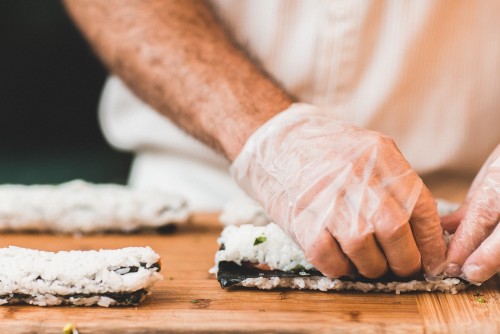
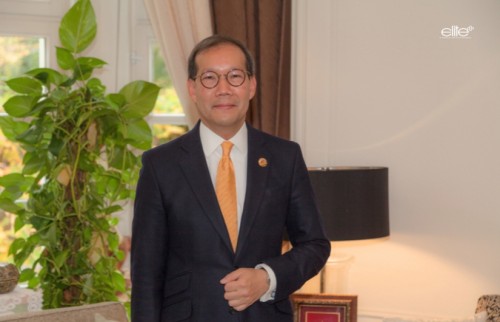
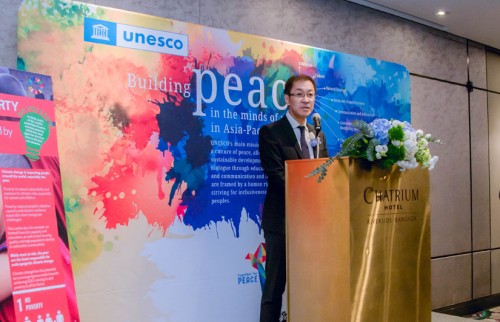
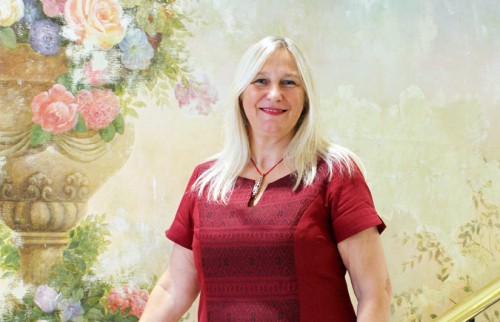
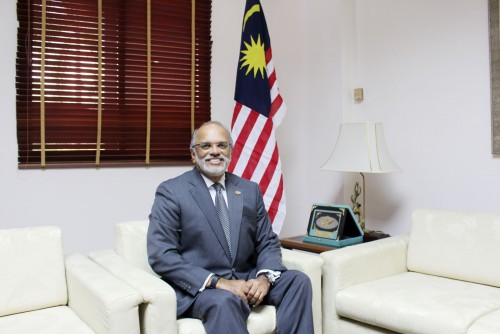
Italian cuisine was recently inscribed on the UNESCO Intangible Cultural Heritage of Humanity list. Italian cooking embodies sustainability and biocultural diversity, with food traditions grounded in anti‑waste practices. In “Global Culinary Stories”, the heritage and perspectives of Italian cuisine were explored. For this article, I spoke with Ms Paola Guida, Trade Commissioner of the Italian Trade Agency, to understand Italy’s work on food sustainability and how the country aligns its actions with the European Union.
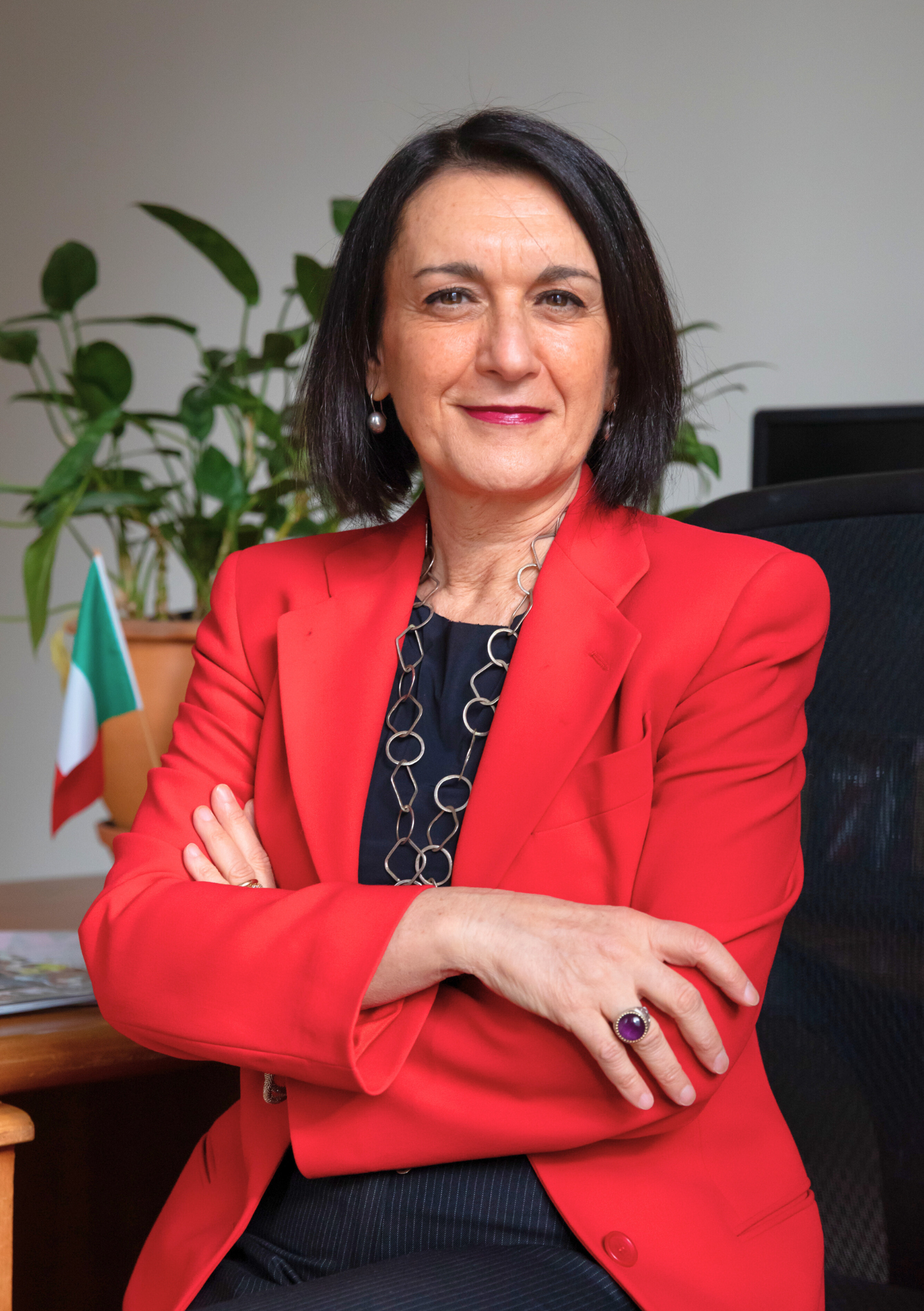
Ms Guida noted that food security has long been a priority for the government of Italy. She explained, “The issue is addressed at national, European and international levels. Italy views food security not only as availability, but also as ensuring access to safe, high‑quality and sustainable food systems, in line with its National Sustainable Development Strategy (NSDS).
At the national level, Italy maintains strong quality‑control and enforcement mechanisms. Specialised units such as the Carabinieri Command for the Protection of Agri‑food and the Carabinieri NAS, combat food fraud and safeguard safety and authenticity.
“At the European level, Italy contributes to major EU frameworks, including the European Green Deal (2019), the Farm to Fork Strategy (2020) and the Common Agricultural Policy (2023–2027), which together promote sustainable agriculture, resilient food systems and environmentally responsible supply chains across Europe.”
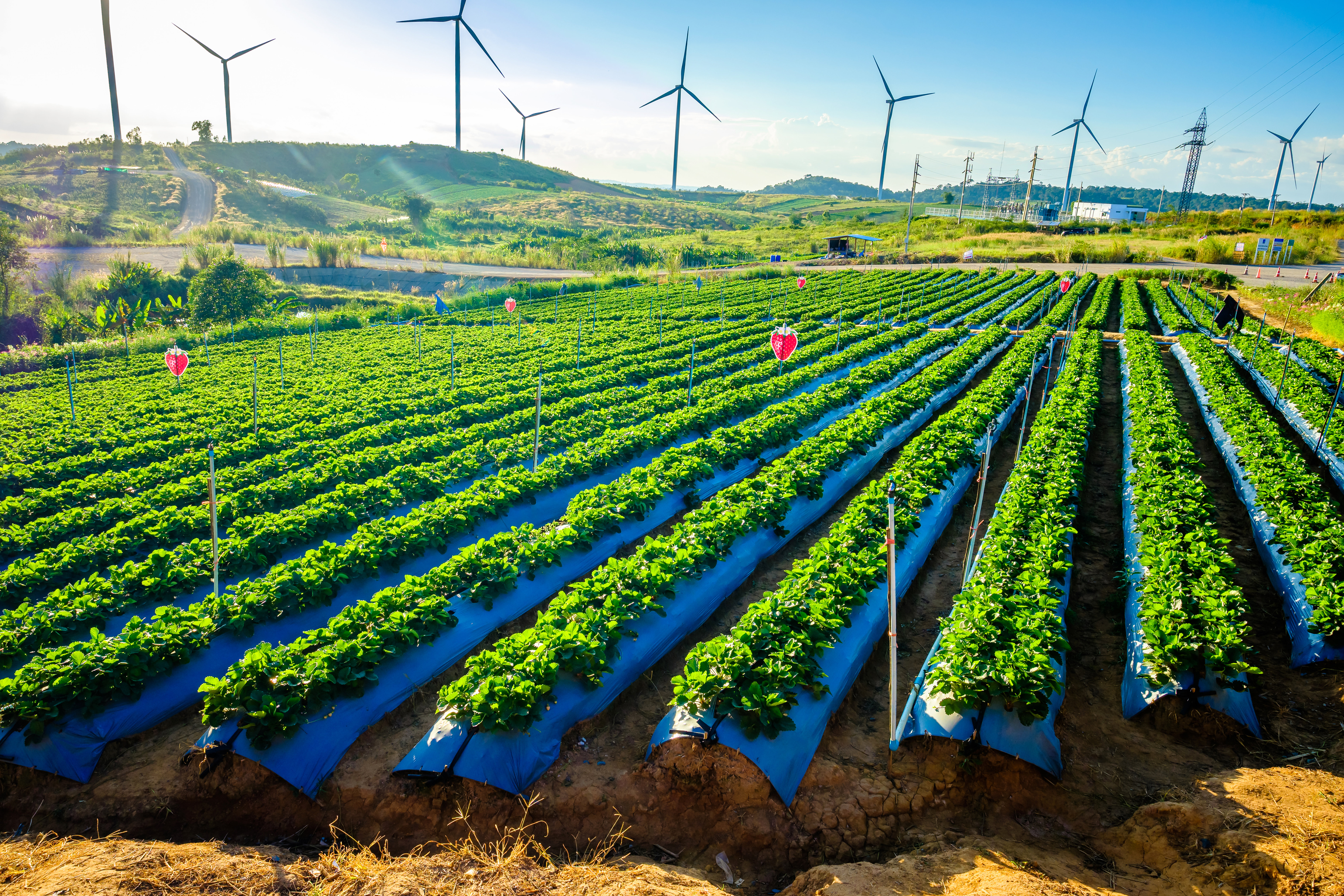
She continued, “Internationally, Italy hosts the headquarters of the Food and Agriculture Organisation (FAO), World Food Programme (WFP) and International Fund for Agricultural Development (IFAD), which reflect its strong global commitment. Italy also promotes food culture as part of its soft power, including through UNESCO’s recognition of culinary traditions.”
Italy, like many countries, faces challenges in transitioning toward more sustainable agricultural systems, despite EU and national policy support. Ms Guida observed, “Climate change remains one of the most significant pressures. According to the EU agricultural outlook, more frequent extreme weather events and shifting climate conditions will continue to strain agricultural productivity, particularly through impacts on water and soil resources. At the same time, farmers face steadily rising production costs, from energy to essential inputs, making the shift toward sustainable practices more difficult, even with CAP incentives.
The sector’s structural diversity adds further complexity as many smaller farms must adapt to evolving environmental requirements and changing market conditions while maintaining economic viability. In addition, shifting consumer preferences and broader societal expectations such as growing demand for sustainability and changing dietary habits, create additional challenges.
Overall, the transition ahead requires carefully balancing environmental goals with competitiveness, resilience, and long‑term productivity.”
Ms Guida emphasised that Italy’s food sustainability policies are closely aligned with the broader European Union framework. “At the EU level, the European Green Deal and Farm to Fork Strategy set the direction for more sustainable and resilient food systems while implementation is carried out through the CAP 2023–2027.
“Italy’s CAP Strategic Plan places strong emphasis on improving environmental performance, ensuring stable farm incomes and strengthening rural development. The plan introduces tools such as eco‑schemes, agri‑environment‑climate commitments and targeted incentives to encourage organic farming, protect biodiversity and support sustainable land‑management practices. At the national level, Italy integrates sustainability within its NSDS, aligned with the UN SDGs, covering sustainable agriculture, food‑waste reduction, biodiversity and responsible consumption.
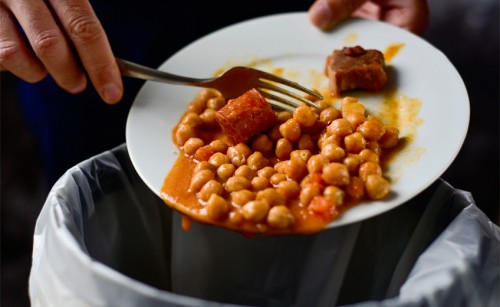
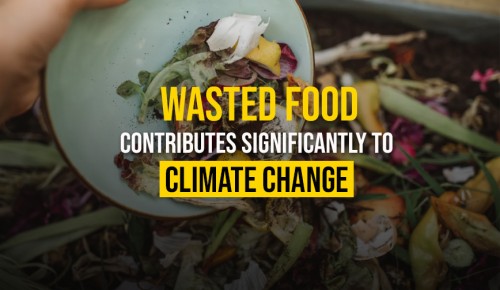
“Food‑waste prevention is also a key pillar, supported by the National Plan for Food Waste Prevention and Law 166/2016 (‘Gadda Law’), which facilitates food donation, supports redistribution and promotes circular‑economy practices across the supply chain. Italy also advances circular bioeconomy approaches, including the separate collection and recycling of organic waste through composting, anaerobic digestion and biomethane production, contributing to resource efficiency and waste reduction.”
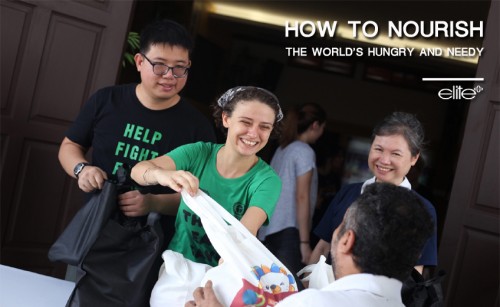
Ms Guida highlighted that Italy’s food sustainability model relies heavily on collaboration between public institutions, private companies and civil society. “At the grassroots level, a wide network of food banks, charities and social enterprises redistributes surplus food, often in partnership with retailers and municipalities. Initiatives such as urban food hubs, including those developed in Milan, show how local actors can recover and redistribute significant volumes of food while addressing social needs.
“The private sector plays a key role across the value chain. Retailers and food companies implement sustainability measures such as traceability systems, sustainable sourcing and packaging reduction, often aligned with national frameworks, like the Gadda Law.
“In the agricultural sector, farmers contribute through organic and regenerative practices, biodiversity conservation and short supply chains, often supported by CAP incentives. Research institutions, universities and innovation hubs further support the transition by developing methodologies, studying consumer behaviour and designing circular food systems. Overall, Italy’s approach is highly collaborative, involving multiple stakeholders across the entire food system.”
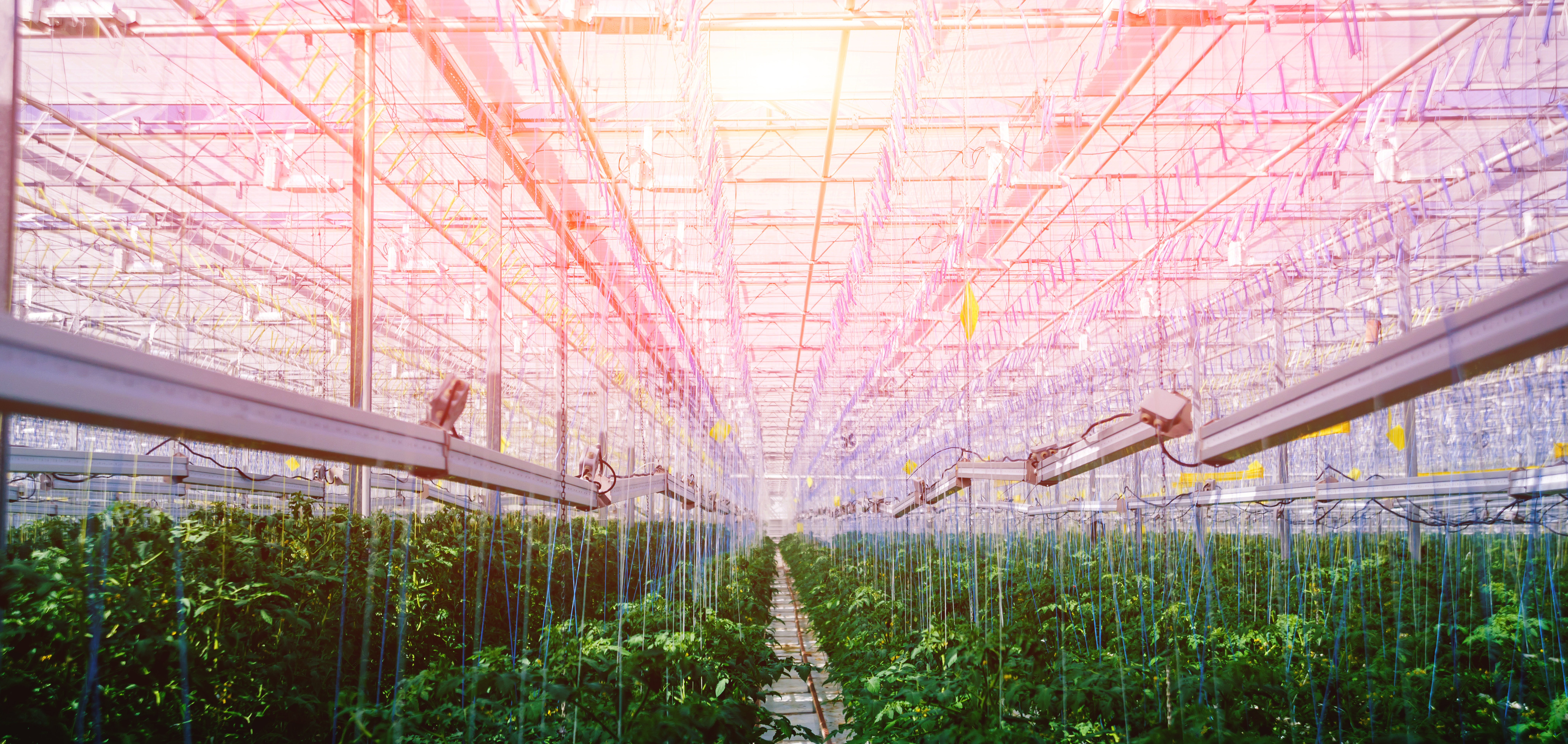
Looking ahead, Ms Guida expressed pride that Italy continues to invest in innovation and research while strengthening the competitiveness of its agri‑food sector in global markets. “At the European level, the Common Agricultural Policy supports the green and digital transition, helping producers improve efficiency, sustainability and resilience in line with broader EU priorities.
A major area of progress is precision agriculture, which enables producers to use resources more efficiently, reduce production costs and enhance product quality, factors that are essential for maintaining international competitiveness. At the same time, there is growing emphasis on value creation through quality, traceability and branding, especially for products protected under the Geographical Indications system.
“In parallel, Italy continues to support internationalisation strategies, helping companies expand into new markets while promoting authentic Italian food culture abroad, in line with values recognised by UNESCO.”
In conclusion, Ms Guida stressed that food sustainability is a shared responsibility at both regional and global levels. “Today’s food systems are highly interconnected, requiring closer cooperation between governments, international organisations and the private sector.
“For Italy, safeguarding culinary heritage also contributes to food sustainability. The recognition of traditional food practices within the UNESCO framework highlights the importance of local knowledge and balanced diets, all of which support more sustainable and resilient food systems. By combining tradition, innovation and collaboration among key stakeholders, we can advance long‑term food sustainability while preserving cultural identity.”