

Beyond the Numbers: Why Indonesia Still Matters
Story by Sartika Dian
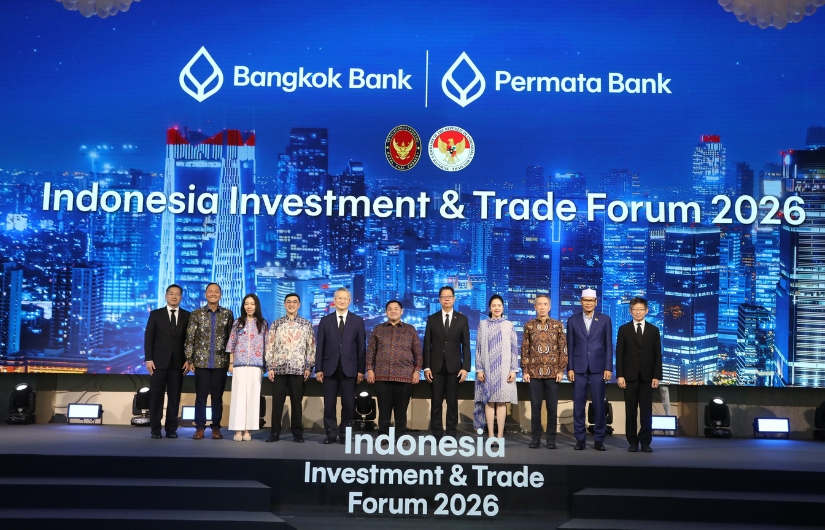
A comprehensive review of the Indonesia Investment & Trade Forum 2026 at the Dusit Thani Bangkok
There is an old adage among investors: When markets become uncertain, look first at what could go wrong. Businesses, however, often begin somewhere else. They look for where people are still buying breakfast, taking children to school, filling supermarket baskets, visiting hospitals and building new homes. Because long after financial markets have moved on, everyday consumption remains one of the most reliable indicators of an economy’s future.
It is from this perspective that Indonesia commands attention.
With more than 280 million people, Indonesia is not only Southeast Asia’s largest economy by population but also its largest consumer market. In the first quarter of 2026, the economy expanded by 5.61%, one of the strongest performances in the region. Inflation remained well contained at 3.08% while fiscal discipline continued to hold the government deficit below 3% of GDP accompanied by a public debt ratio below 40% of GDP. These are not spectacular numbers by emerging-market standards. Yet they are something arguably more valuable, consistent ones.
That consistency has become increasingly attractive at a time when global investors are navigating geopolitical tensions, shifting interest-rate expectations and slower growth in several major economies.
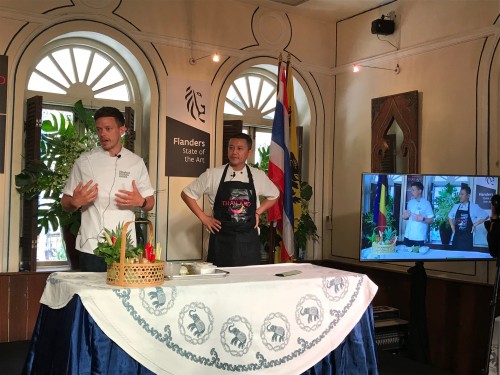
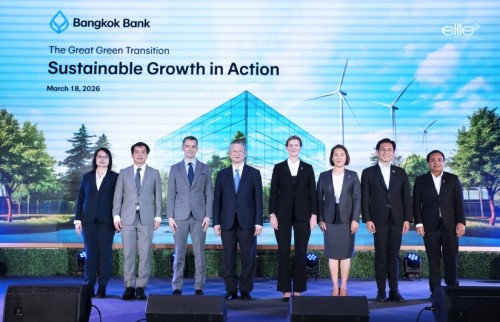
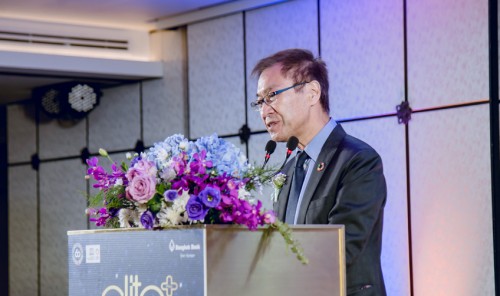
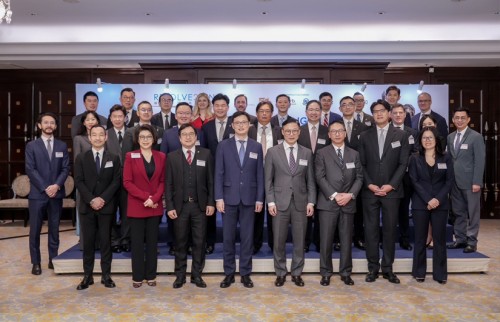
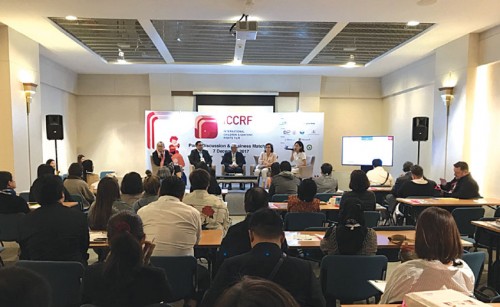
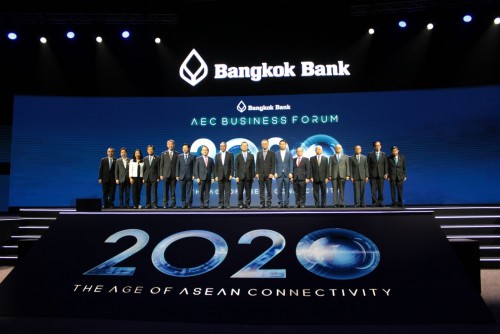
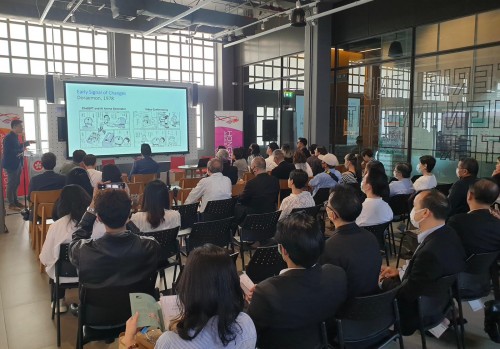
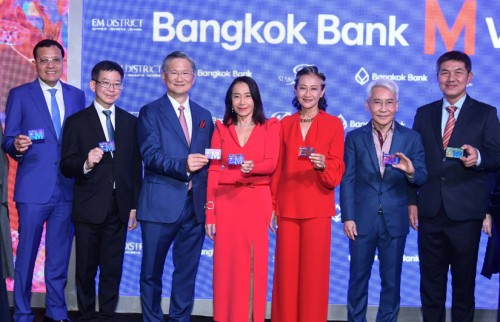
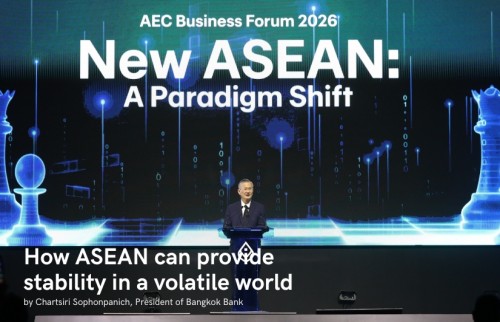
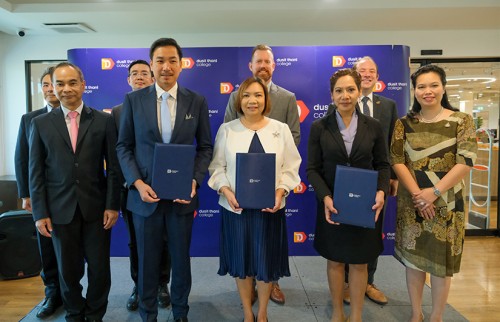
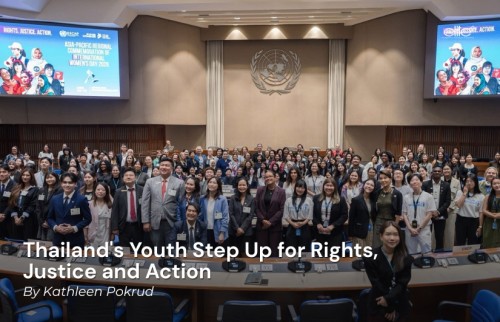
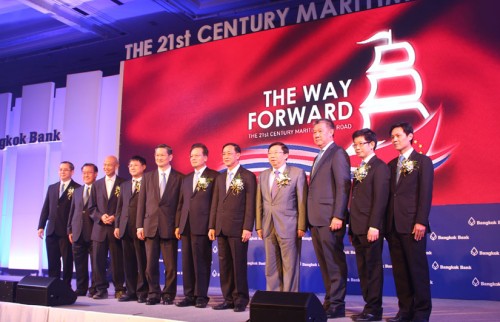
It was against this backdrop that more than a hundred Thai business leaders, investors and entrepreneurs gathered at Dusit Thani Bangkok for the Indonesia Investment & Trade Forum 2026, organised by Bangkok Bank. The forum was not designed simply to introduce another export destination. It sought to answer a more practical question: What does it actually take to build a successful business in Indonesia today?
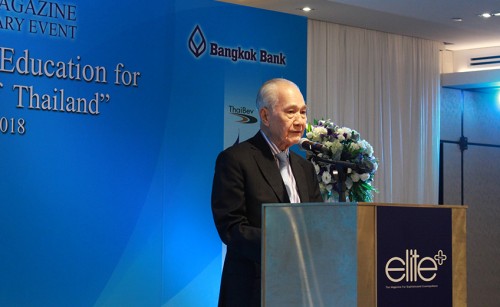
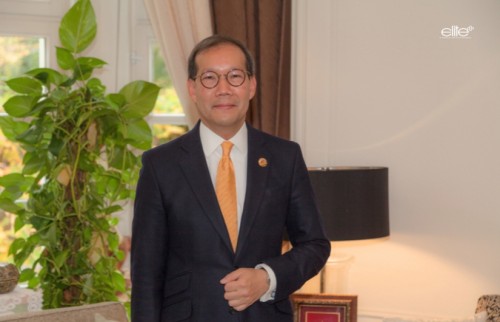
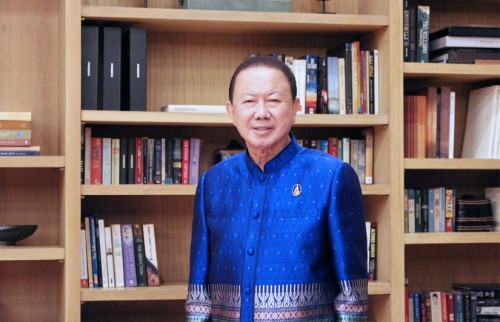
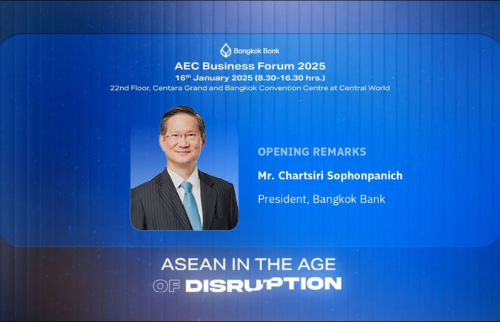
Opening the forum, Mr. Chartsiri Sophonpanich, President of Bangkok Bank, emphasised that Thailand and Indonesia share far more than geographical proximity. Their economic futures are increasingly interconnected, and the most successful investments are built not through transactions alone but through long-term partnerships, local understanding and mutual trust.
That theme would quietly shape every discussion that followed.
Growth Built on Consumption, Not Cycles
The first task was to establish the economic landscape.
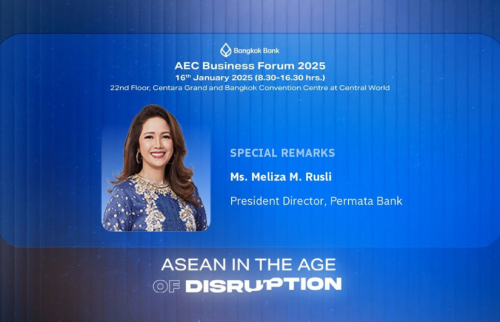
Chief Economist Mr Josua Pardede of Permata Bank offered a measured assessment of Indonesia’s position. Global uncertainty remains elevated. Geopolitical conflicts, evolving monetary policies and weaker demand from China continue to weigh on international markets. Yet Indonesia has demonstrated an ability to absorb these external shocks without losing the foundations of its growth story.
Unlike many export-driven economies, Indonesia’s greatest strength lies within its own borders.
Household consumption continues to account for the largest share of economic activity, supported by a young population and an expanding middle class. By 2030, the country’s working-age population is projected to exceed 203 million people, creating one of the largest domestic consumer bases anywhere in Asia.
The numbers explain why international investors continue to commit capital despite periodic market volatility.
Indonesia remains ASEAN’s second-largest recipient of foreign direct investment, attracting investment across manufacturing, services and mining. In the first quarter of 2026 alone, foreign direct investment reached USD 15.2 billion, with strong inflows into industrial estates, food manufacturing, business services and electricity infrastructure. For Thai companies, these are not simply macroeconomic indicators, they represent millions of future customers.
The Difference Between Selling to Indonesia and Understanding Indonesia
Economic potential, however, does not automatically translate into commercial success.
Few speakers illustrated this more convincingly than Mr Tan Passakornnatee, founder and CEO of Ichitan Group. His story challenged one of the most common assumptions among companies entering Southeast Asia. That success at home can simply be replicated abroad.
He knew that Indonesia demanded something different.
Rather than relying solely on modern retail channels, Ichitan learned to work through Indonesia’s extensive network of traditional trade. Distribution shifted from a single-channel approach to multiple local distributors capable of reaching thousands of communities spread across the archipelago. Product development expanded beyond ready-to-drink tea into a broader beverage portfolio tailored to local consumer preferences. Marketing became continuous rather than seasonal, driven by community engagement, nationwide campaigns and close interaction with consumers.
The lesson was deceptively simple. Indonesia is not one market of 280 million people. It is thousands of local markets connected by culture, geography and relationships. Companies that recognise this complexity tend to thrive. Those that underestimate it rarely do.
Partnership as Competitive Advantage
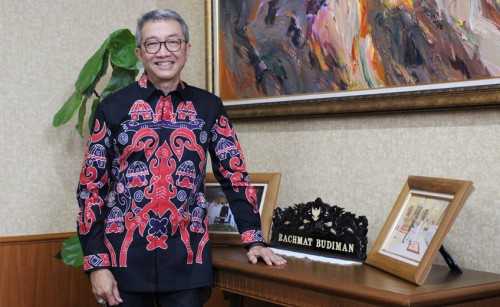
If Tan Passakornnatee represented the experience of a Thai company entering Indonesia, Mr Axton Salim, Executive Director of Salim Group, represented the country’s own business ecosystem.
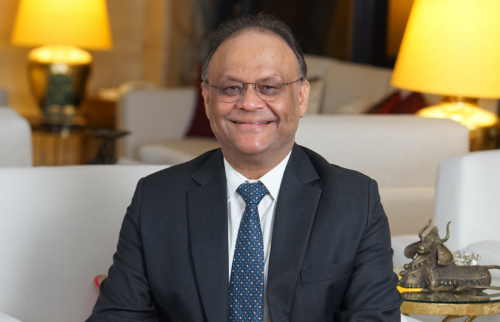
As one of Indonesia’s leading business leaders, his responsibilities extend across Indofood’s consumer businesses, dairy operations and corporate marketing while also supporting technology entrepreneurship, startup development and food innovation.
His career reflects a broader transformation taking place within Indonesia’s economy.
Growth is increasingly driven not only by manufacturing capacity but by innovation, brands, technology and integrated consumer ecosystems. Large corporations are collaborating with startups, universities and entrepreneurs to create value chains that are considerably more sophisticated than they were a decade ago.
For foreign investors, this evolution carries an important implication. Entering Indonesia is no longer simply about establishing distribution. It is about becoming part of an ecosystem.
Where Investment Is Heading Next
The discussion then shifted from individual companies to sectors.
According to Permata Bank’s outlook, several industries should stand out over the coming decade.
Indonesia’s digital economy is projected to reach USD 188 billion by 2030, supported by 235 million internet users, internet penetration exceeding 81%, and more than 3,200 startups, placing the country among the world’s most dynamic digital ecosystems.
Healthcare represents another structural opportunity.
Rising public awareness, expanding health insurance coverage and increasing household healthcare expenditure are accelerating investment across pharmaceuticals, hospitals and healthcare services.
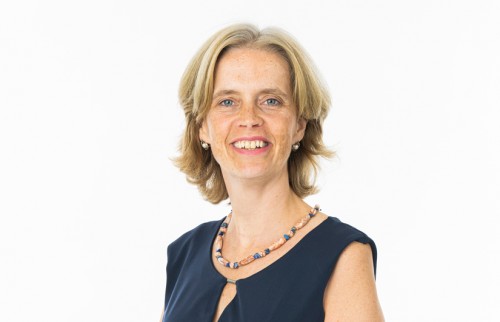
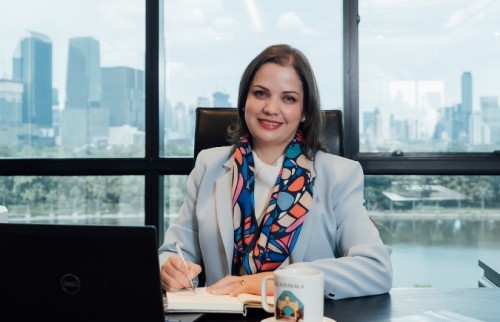
This broader picture provided a fitting context for Mrs Kartika Setiabudy, Director of Kalbe Farma, Indonesia’s largest listed pharmaceutical company. Her experience in corporate finance, governance and healthcare demonstrates how demographic change is reshaping investment priorities as demand shifts from basic healthcare access toward preventive care, nutrition and long-term wellness.
The opportunities extend further.
Indonesia’s halal economy now contributes more than 27% of national GDP, with food, agriculture and Muslim-friendly tourism becoming increasingly significant drivers of growth. The government aims to make Indonesia the world’s leading sharia economy by 2029, expanding halal certification from 2.17 million to 7 million products.
Such ambitions create new opportunities, but also new responsibilities.
As Khathawut Lohmud of the Central Islamic Council of Thailand explained, regulatory compliance should no longer be viewed merely as a legal requirement. For companies seeking long-term growth, understanding Indonesia’s halal framework has become part of competitive strategy itself.
More Than a Market
Trade between Thailand and Indonesia has increased almost fourfold since 2005, reflecting increasingly integrated supply chains rather than simple cross-border commerce. Yet perhaps the most valuable insight emerging from the forum was that numbers alone never tell the whole story. GDP growth explains why investors become interested. Consumer spending explains where opportunities may lie. Foreign direct investment reveals where capital is flowing. But none of these guarantee success.
Success still depends on people.
On choosing the right partners. On understanding local consumers. On adapting products rather than exporting assumptions. On recognising that Indonesia’s diversity is not an obstacle to growth but the very source of its resilience.
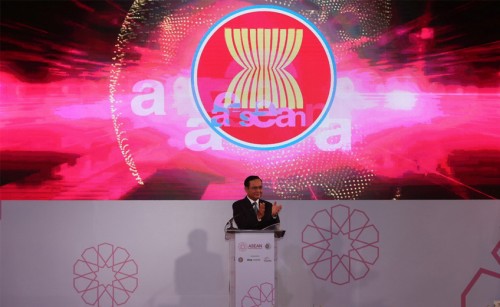
By the close of the day, the forum had become something more than a series of presentations. It had become a reminder that ASEAN’s future will not be built by countries competing against one another for investment. It will be built by businesses that understand how to grow together. And for Thailand, few relationships may prove more consequential over the coming decades than the one across the Strait of Malacca.