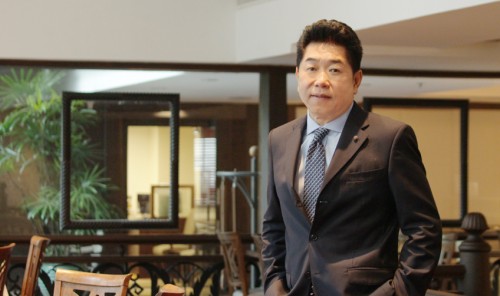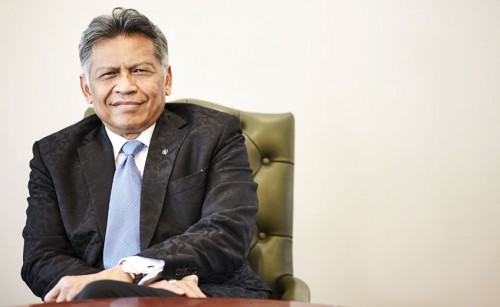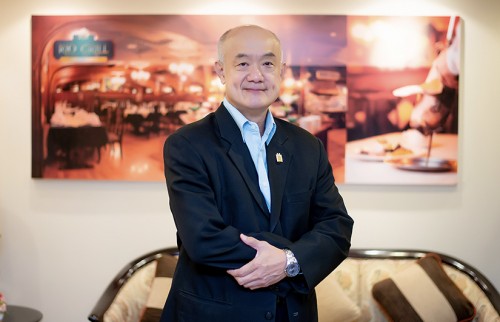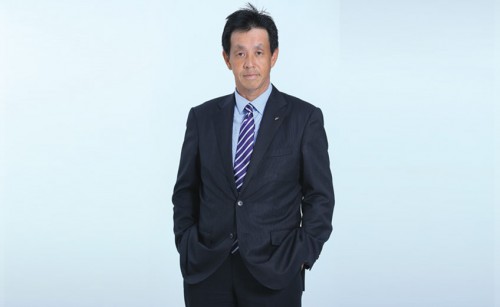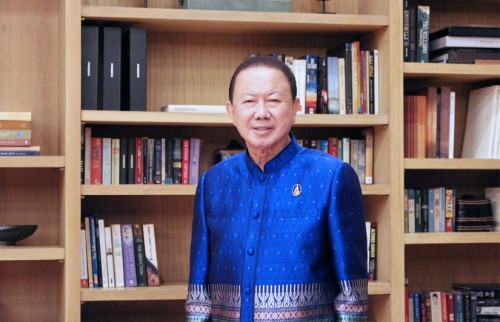


How ASEAN can provide stability in a volatile world by Chartsiri Sophonpanich, President, Bangkok Bank
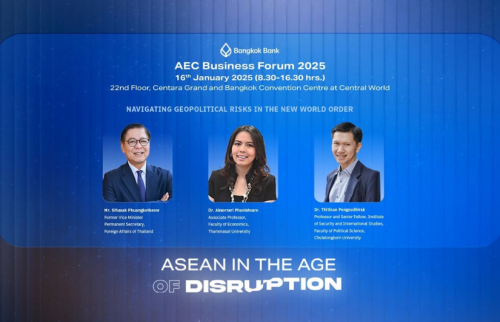
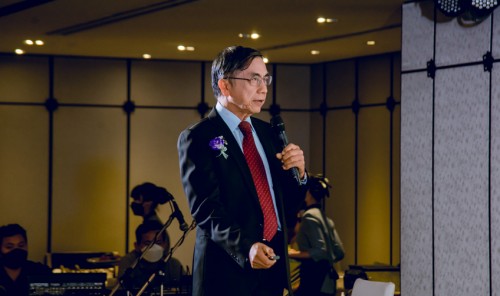
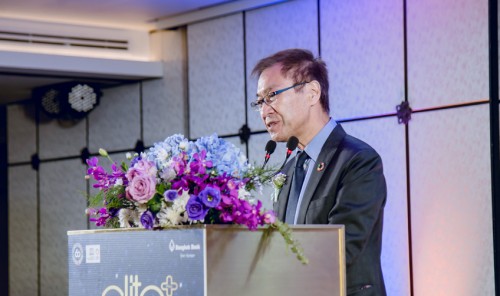
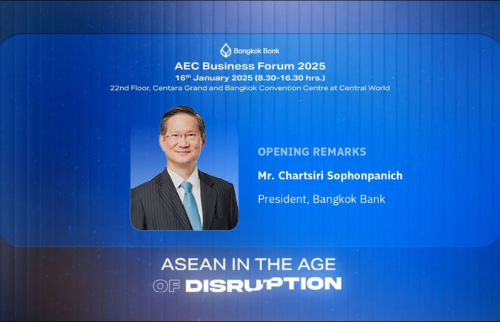
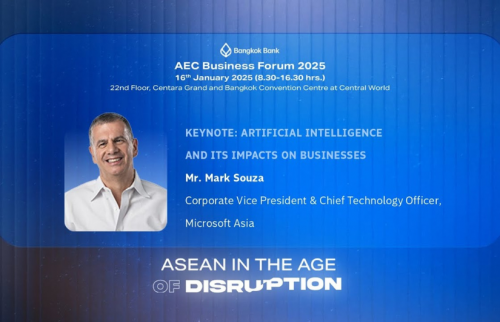
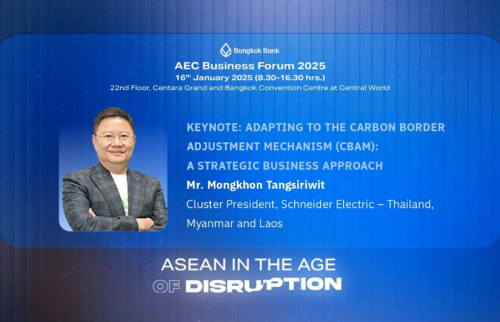
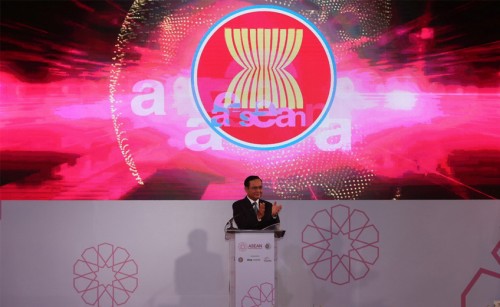
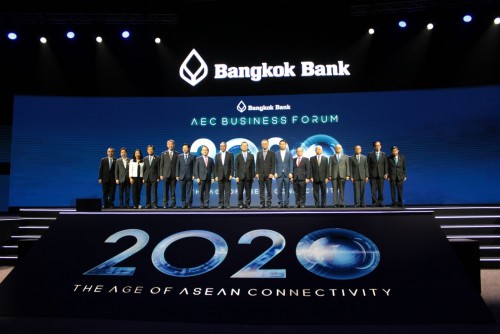
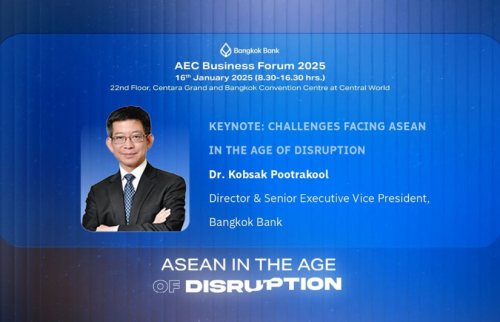
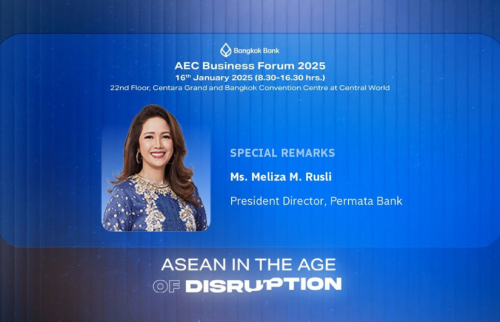
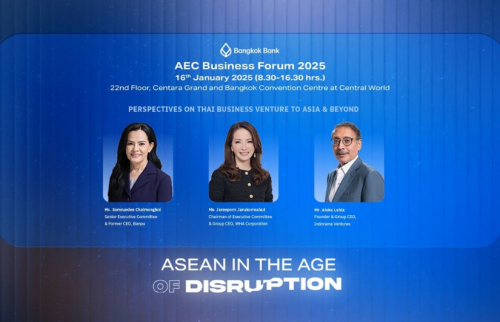
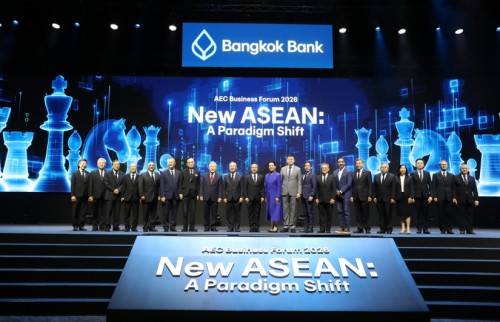
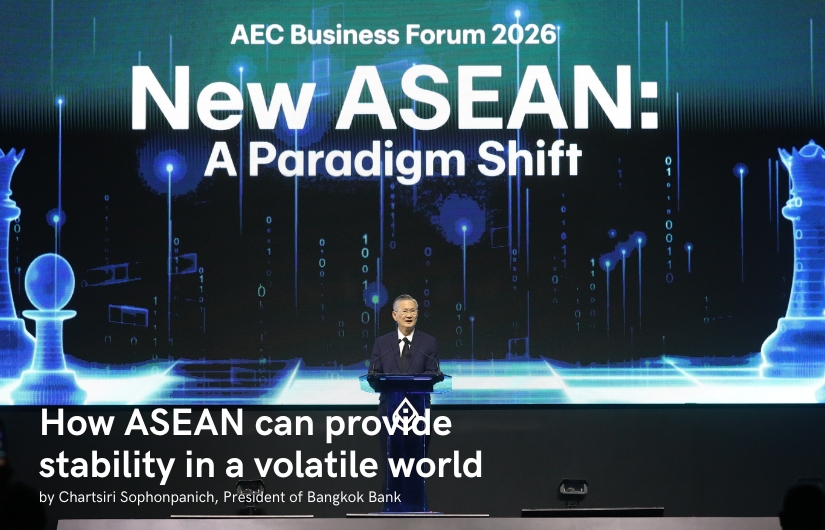
On January 14th I gave a speech at our AEC Business Forum which began with a prediction that 2026 would be even more turbulent than 2025. Unfortunately I was proven right when the US-Israel war with Iran started on February 28.
Within the first two weeks of the war it had destabilized already fragmented global markets, and disrupted trade and supply chains. And the effects of this faraway conflict were quickly felt here at home due to an attack on a Thai ship, oil and gas shortages, and restricted travel and tourism. Geopolitical goal posts are no longer merely shifting, the defining feature in today’s world is that they don’t stay put long enough for us to be able to make concrete plans. So, given this stark reality, should we still be optimistic about the opportunities to build ASEAN’s position as a safe and stable market?
As Canada’s Prime Minister Mark Carney said at the World Economic Forum in Davos in January: “In a world of great power rivalry, the countries in between have a choice: compete with each other for favor or combine to create a third path with impact. Middle powers must act together because if we're not at the table, we're on the menu.”
This is our choice here in ASEAN: if we don’t want to be “on the menu”, we need to create a “third path” by becoming a robust, resilient and self-reliant region with strong energy and food security that is seen as a safe and stable market for global investors. To achieve this we need to create opportunities from five megatrends that are reshaping the future of ASEAN.
Geopolitical tensions
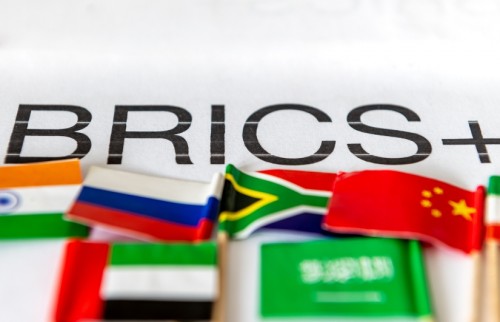
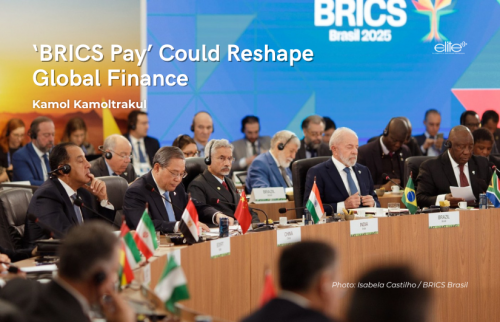
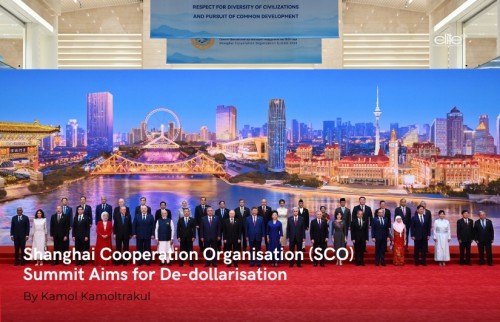
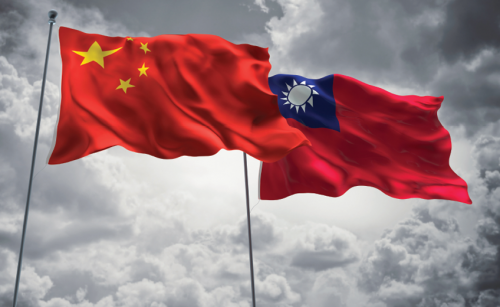
We are living in a multipolar world that is being shaped by the rise of China, Russia and BRICS as well as challenges to the global rules-based order that has existed since the end of World War Two. The war in Iran shows how geopolitics can become even more complex and volatile. Rivalry and the struggle for dominance between major powers creates tension, increases uncertainty and causes conflicts which affect us all.
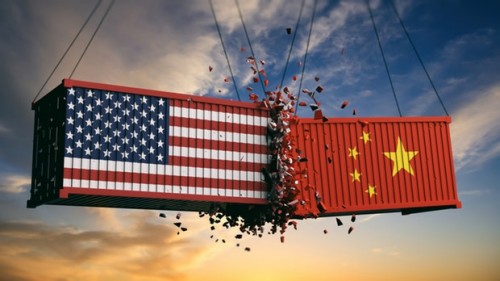
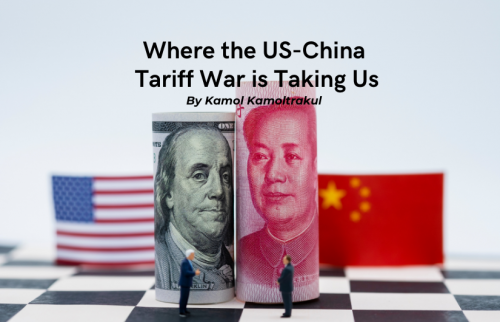
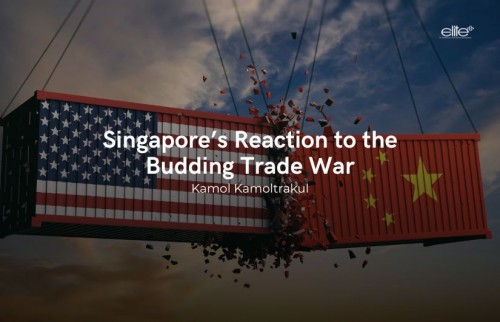
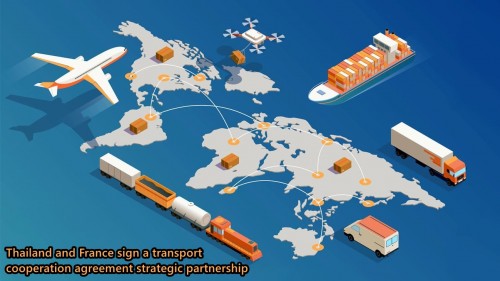
Last year we saw how the struggle for dominance between the US and China grew into a much broader trade conflict that weakened technology supply chains, increased competition for rare earths and disrupted logistics and shipping routes. The intensifying competition for spheres of influence between the US and western nations on one side and China and BRICS on the other presents an opportunity for ASEAN. One which leads to an important question: how can we maintain a balance between the major powers while strengthening our own economic systems?
_257450208.JPG)
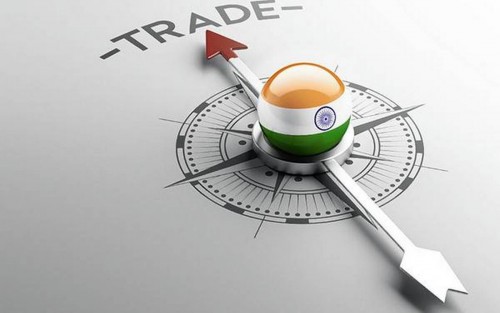
Shifting trade flows
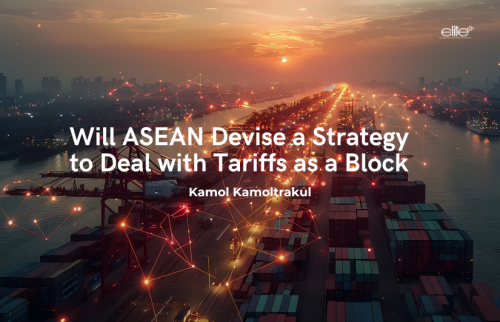
The global trade wars of 2025 have transformed trade flows, with products from China shifting away from the US market to Southeast Asia. At the same time our trade with the US has grown very rapidly, rising by around 30% in 2025.
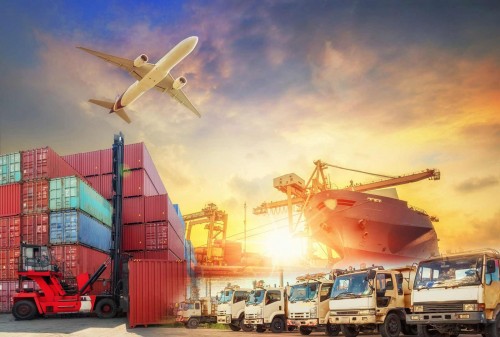
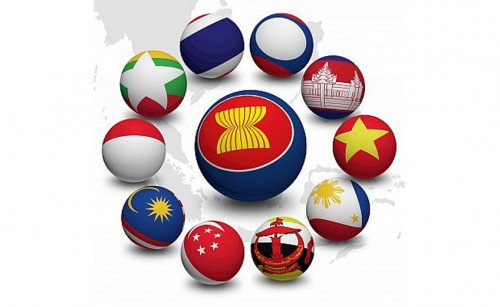
As concerns over geopolitics, economic stability and national security lead countries to reassess their trade relationships, we expect ASEAN to become one of the key beneficiaries of this new, multipolar trade system. Apart from our large market, 660-milion strong population and $4.25 trillion economy, ASEAN's favorable location, with excellent links to global shipping routes and supply chains, position us well as a base for logistics, manufacturing, and export-oriented industries.
Investors and manufacturers are looking to the region not only for a stable and strategically-located production base, out for access to increasingly diverse and sophisticated markets. This is reflected in increasing FDI into ASEAN over the last decade, growing from about 5% of global FDI 10 years ago to about 20% in 2024, with key destinations being Vietnam, Indonesia, Thailand, Malaysia, Singapore, and the Philippines.
As production has shifted from China to the region, we have been building supply chains in sectors such as semiconductors, data centers, EVs, advanced components, agriculture, and biotechnology. These kinds of investments have the potential to raise ASEAN’s technological and production capabilities and capacity which will create more middle income families and deliver higher living standards for people which in turn will lead to even greater opportunities.
Regional trade connectivity will become increasingly important in a world where global supply chains can be disrupted overnight.
Technological transformation
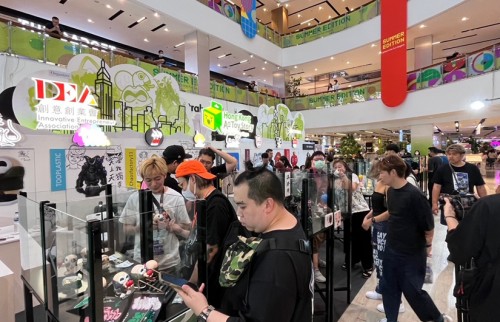
ASEAN is an emerging hub for technological innovation thanks to its young, digitally-native population, high mobile penetration and supportive government policies. We are seeing more startups and unicorns in our region and an influx of new investment into areas such as data centers, AI, and advanced manufacturing. ASEAN’s thriving, competitive tech ecosystem.
Our army of enthusiastic young entrepreneurs will help make AI a new frontier for developmentSingapore is already on its journey to become a global AI hub with more than 1,000 AI startups and it is a regional base for tech giants like OpenAI, Google, and NVIDIA. Thailand, Malaysia, Vietnam, Indonesia and Philippines all have national strategies for AI development.
Climate change impacts
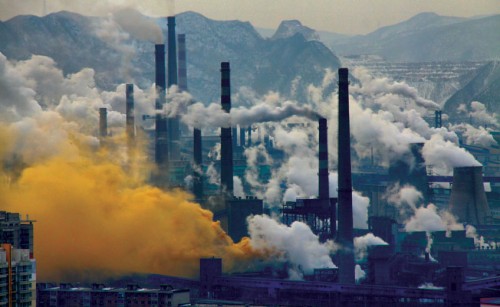
Severe climate events are becoming more frequent. Last year storms, landslides and flooding devastated parts of Thailand, Vietnam, Philippines, Malaysia and Indonesia costing many lives and billions of dollars. All businesses have to make long term plans to mitigate climate risks and prepare for transition risks.
Our commitments to net zero involve transitioning away from fossil fuels to green energy and this will require investment in energy efficiency, renewable energy, as well as compliance with new regulations. The situation in Iran reinforces the need for ASEAN to strengthen its energy security and the development of renewable energy is central to this.
International standards such as the EU’s CBAM (Carbon Border Adjustment Mechanism) that came into effect on the first of January this year and EUDR (EU Deforestation Regulation) are reshaping trade, demanding traceability, low carbon supply chains, low-carbon production, and compliance systems that are costly and which can create a burden for smaller enterprises. Ensuring the region’s businesses comply with such regulations can help reduce technical barriers to ASEAN’s external trade.
Enabling a strong green transition could also make ASEAN a global leader in sustainable growth. Many future unicorns will be created in the green and blue space, so we should look to how we can foster and encourage innovation in these areas. A good place to start is to look at transition as an opportunity rather than a challenge.
 (1)_1186885062.JPG)
Demographic change
In Southeast Asia, some countries such as the Philippines and Indonesia have young and growing workforces, while others such as Singapore and Thailand are rapidly aging. While a young population faces challenges from providing schooling and potential youth unemployment, an aging population faces serious economic risks such as a reduced workforce, outdated skills, and increasing costs from healthcare and pensions.
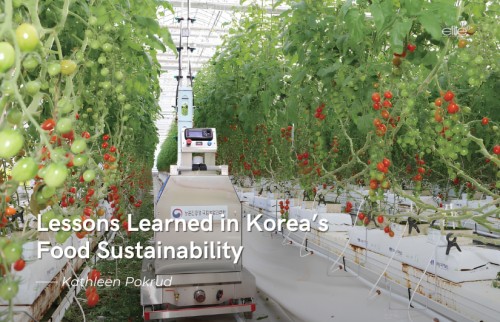
We are also facing a problem in Southeast Asia from young people migrating to the cities. This challenges our region’s position as a major food producer and we will have to find ways to modernize agriculture. Fortunately we are already seeing many initiatives to leverage AI to address critical challenges in agriculture and climate resilience. There are also opportunities to upskill our workforce and increase worker productivity with automation, robotics and AI, as well as in the “silver economy” in areas such as health and wellness, housing, financial services and leisure.
Looking forward
Today, ASEAN is becoming an important strategic gateway to Asia. We are no longer seen as a cheap production base, but as an increasingly consumption-driven region with a growing middle
class and pool of highly skilled professionals. For example, Indonesia's 52-million strong middle class is driving domestic demand and economic growth. Similar dynamics are emerging across other ASEAN economies, reinforcing how the region's next phase of growth will be increasingly driven by domestic and regional consumption. This provides greater incentives for international investors looking to seek opportunities and hedge their risks by expanding into ASEAN which will enable them to access a market where products and services can be produced and consumed with relatively short and secure supply chains that are less susceptible toglobal disruptions.
Regional economic and trade integration is key to building our robustness, resilience and attractiveness to foreign investors. Creating a single market and single customs union similar to the EU is the foundation of future success. Yet we have much work to do to deliver this. Trade, investment, and production networks are still mainly organized on a country-by-country basis. Regional supply chains are fragmented. ASEAN member states often compete with one another to attract investment and manufacturing activities.
Returning to the words of Mark Carney, as middle powers, ASEAN nations have a choice to “compete with each other for favor or to combine to create a third path with impact”.
In an increasingly volatile world, it is clear that stronger cooperation, collaboration and a commitment to building an integrated ASEAN
economy is the best way to build a sustainable future full of opportunities for generations to come.
While the global geopolitical situation may shift every day, we can start our “third path” by reshaping ASEAN as a region built on cooperation and collaboration, with clear rules of the game, a competitive spirit and goals posts that stay put.