

Italian Wines’ Uniqueness and Diversity
By Kathleen Pokrud
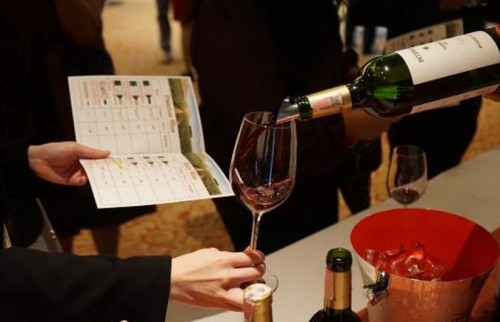
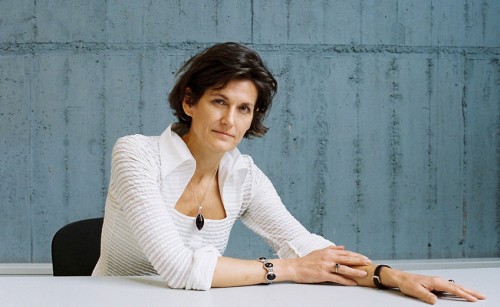
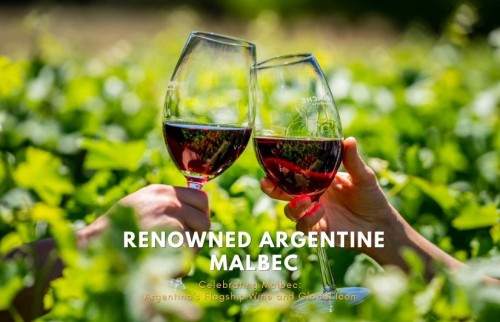
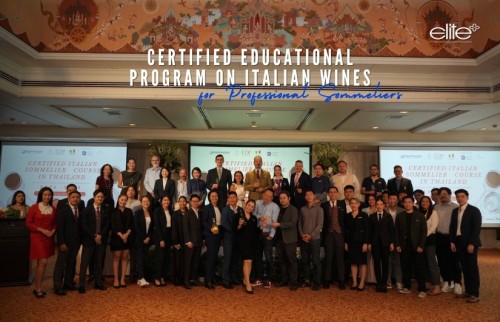
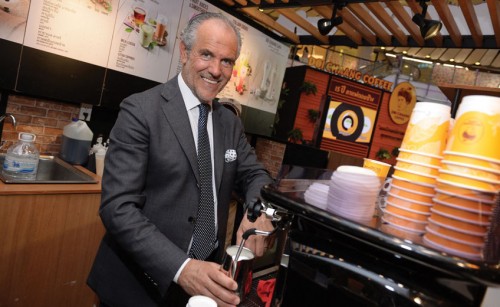
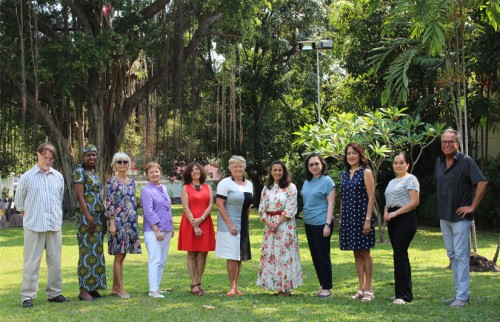
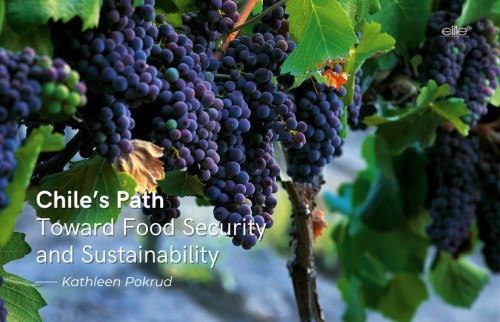
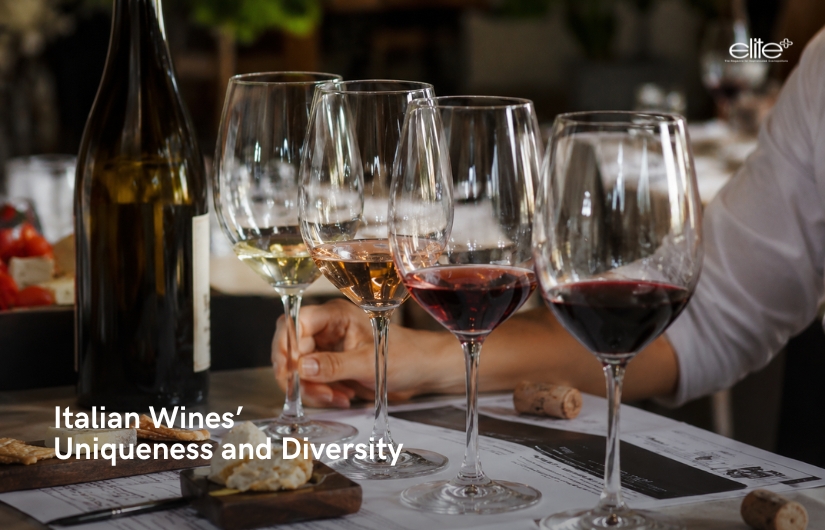
Italian wines are unique due to their incredible diversity. There are over 540 officially recognised native wine grape varieties, more than any other wine-producing country. Each region produces distinctive wines that reflect its terroir, history and identity. The combination of centuries-old tradition and remarkable biodiversity continues to make Italian wines special and appreciated around the world. With the numerous Italian restaurants in Bangkok serving Italian cuisine and wines, these are testaments of their popularity. Elite+ caught up with Ms Paola Guida, Trade Commissioner of the Italian Trade Agency, to learn about the factors behind their enduring recognition.

Ms Guida explained, “Italy's greatest strength is that wine has always been part of our history and culture. Our winemaking tradition dates back to ancient times, with the Etruscans and Romans playing an important role in developing viticulture and spreading it across the country. Over the centuries, every region has built on this heritage while adapting to its own climate, landscape and local traditions.”
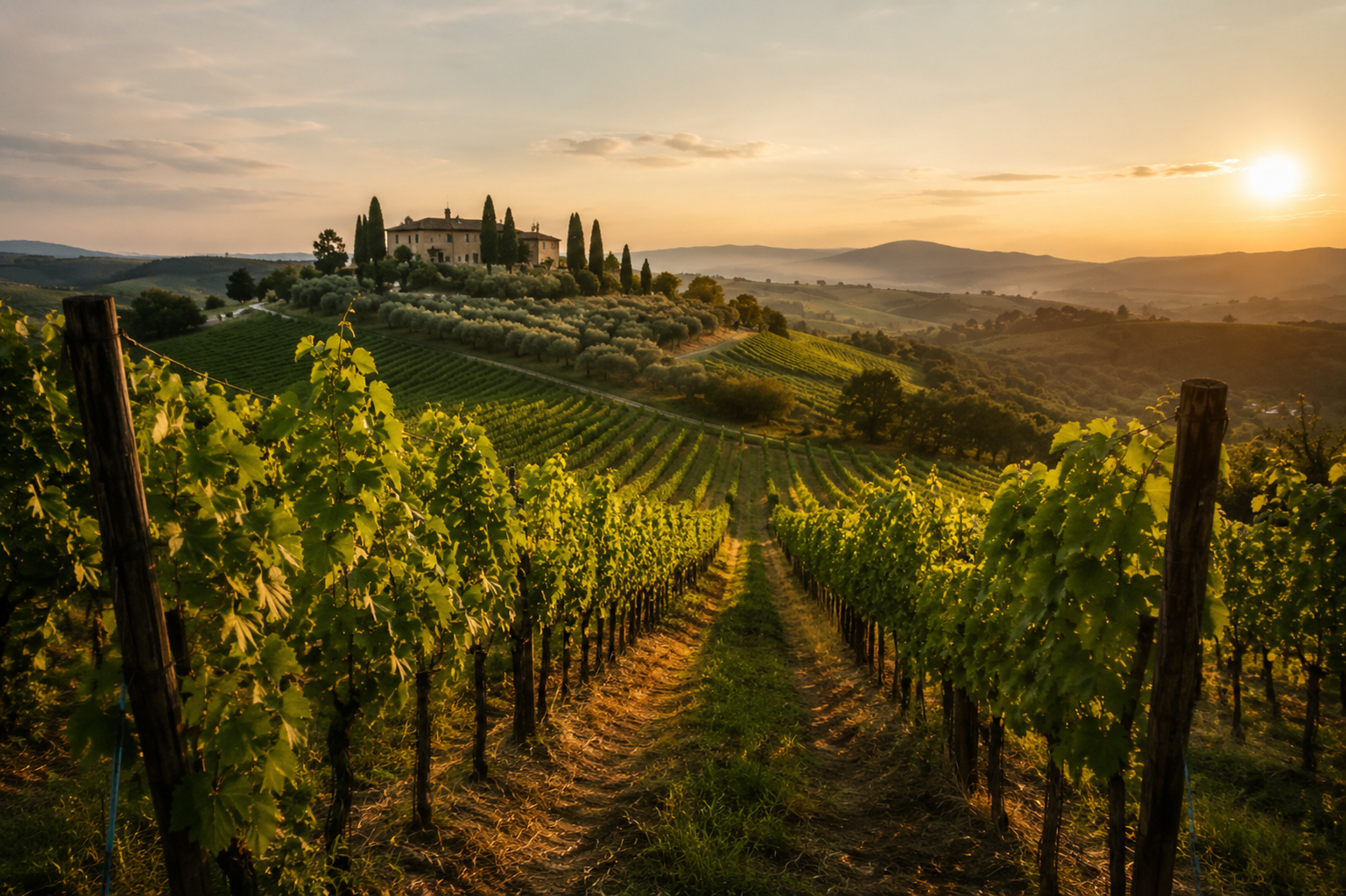
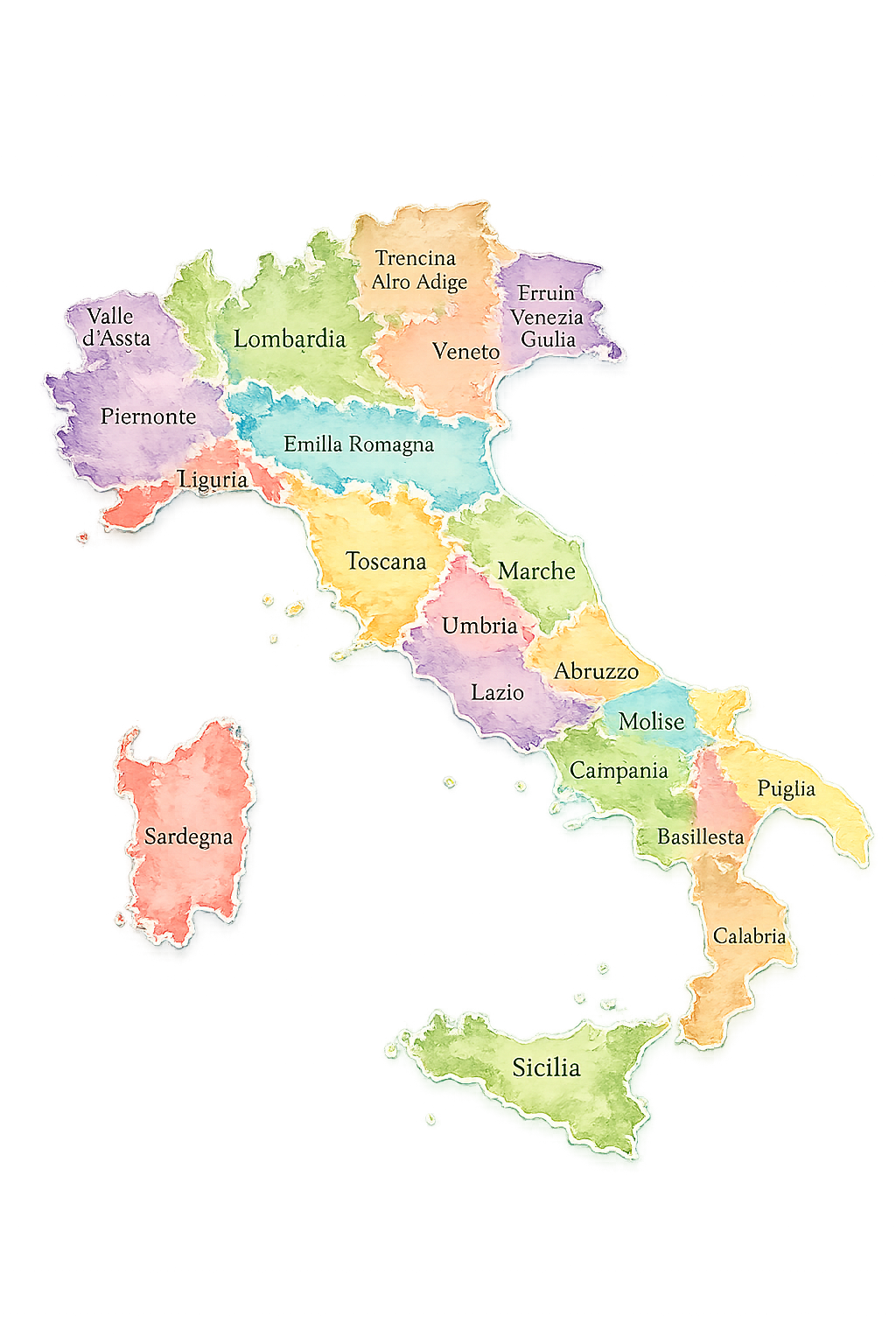
Ms Guida believes many factors contribute to the global popularity of iconic Italian wines such as Chianti, Barolo, Prosecco and Amarone. She explained, “One of the key strengths of Italian wine is its extraordinary regional diversity. From the elegant Nebbiolo wines of Piedmont and the Sangiovese-based wines of Tuscany to the sparkling Prosecco and rich Amarone of Veneto, each region offers distinctive grape varieties, landscapes and winemaking traditions. Rather than producing a single national style, Italy offers consumers wines that express the unique character of their place of origin. Each iconic wine offers a distinctive experience.”
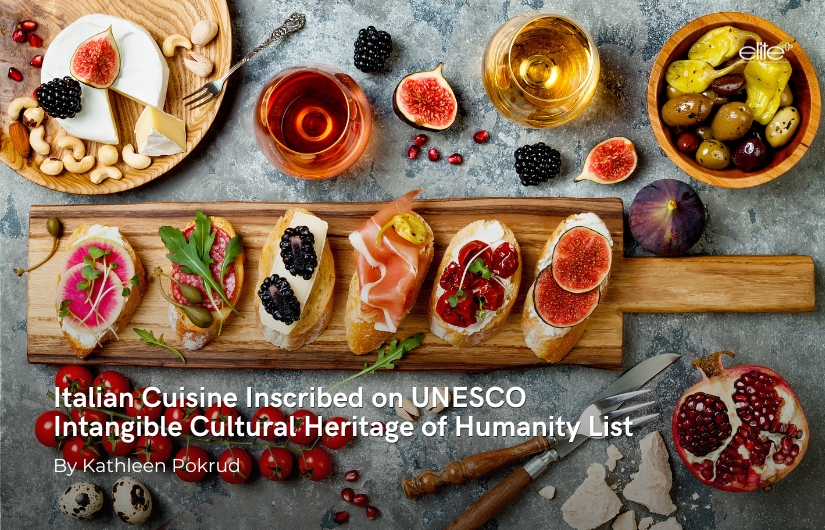
Italy's strong food-and-wine pairing culture has contributed to the international appeal of its wines. Ms Guida elaborated, “In Italy, wine has always been an integral part of the dining experience rather than something enjoyed on its own. For generations, wines have evolved alongside regional cuisines, creating pairings that naturally complement local ingredients and flavours. This close relationship is one of the reasons Italian wines are so approachable and appreciated around the world.
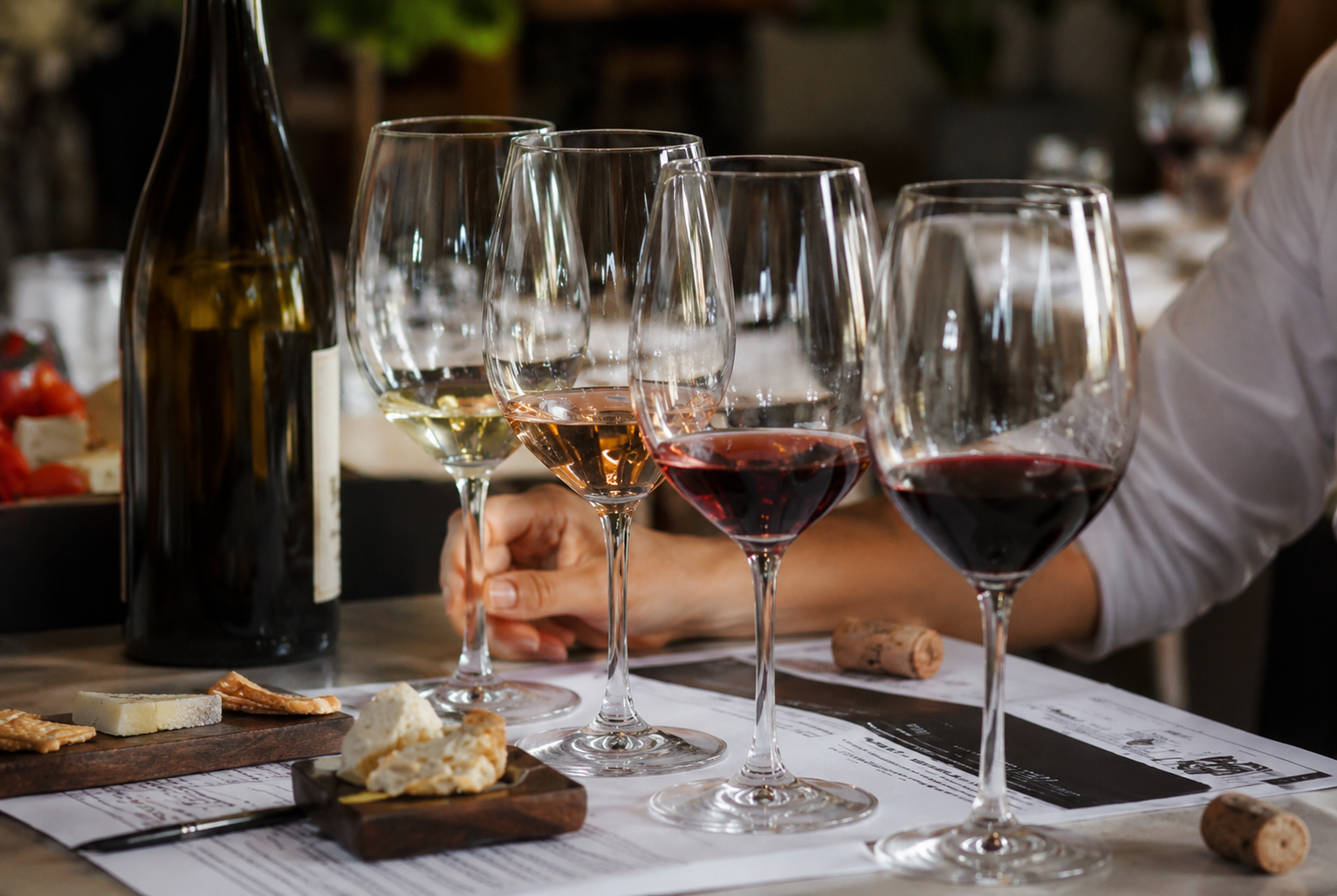
“Many of Italy's iconic wines are closely associated with traditional dishes. Chianti pairs beautifully with tomato-based pasta, grilled meats and aged cheeses; Barolo complements braised beef, game and truffle-based cuisine; Prosecco is often enjoyed as an aperitif or with seafood and appetisers while Amarone pairs well with roasted meats, game and mature cheeses.”
Italian wineries are adopting sustainable and environmentally responsible practices. Ms Guida stated, “Today, sustainability is no longer an option, but the standard for many Italian wineries. Producers are investing in more responsible vineyard management, improving the efficient use of water and energy, protecting biodiversity and reducing environmental impact. Many are also adopting national sustainability programmes such as V.I.V.A. Sustainable Wine, an initiative developed by the Italian Ministry for the Environment to measure and improve sustainability across the entire production process, and Equalitas, which promotes environmental, social and economic sustainability through a comprehensive certification system.
“This commitment is important not only for the environment but also for the future of Italian wine. Consumers increasingly want to know how a wine is produced, and recognised sustainability programmes help build trust while reinforcing the reputation of Italian wines as products that combine tradition, quality and innovation.”
Globalisation has created new opportunities for Italian wines, allowing producers to reach more consumers and strengthen their presence in international markets. Ms Guida emphasized the importance of protecting what makes Italian wine truly unique. “Rather than moving away from tradition, producers are placing even greater emphasis on regional identity, native grape varieties and quality schemes such as DOC, DOCG and IGT, protected under the European Union's Protected Designation of Origin (PDO) system. This balance between embracing global markets and preserving authenticity is one of the reasons Italian wines continue to earn the trust and appreciation of consumers worldwide.”
In concluding, Ms Guida highlighted that emerging trends such as organic viticulture, low-alcohol wines, or climate-resilient grape varieties are shaping the future of Italian wine on the world stage. “These trends are encouraging Italian producers to rethink vineyard management and invest in practices that strengthen the long-term resilience of the industry while remaining competitive in international markets.
“However, the future of Italian wine will not be defined simply by whether a wine is organic or conventional. Quality, authenticity and a true expression of terroir will always remain the industry's defining values. The real challenge is finding the right balance, embracing innovation where it adds value while preserving regional identity, native grape varieties and winemaking traditions. In this way, sustainability becomes a means of protecting Italy's wine heritage rather than replacing it.”